
 admin
admin
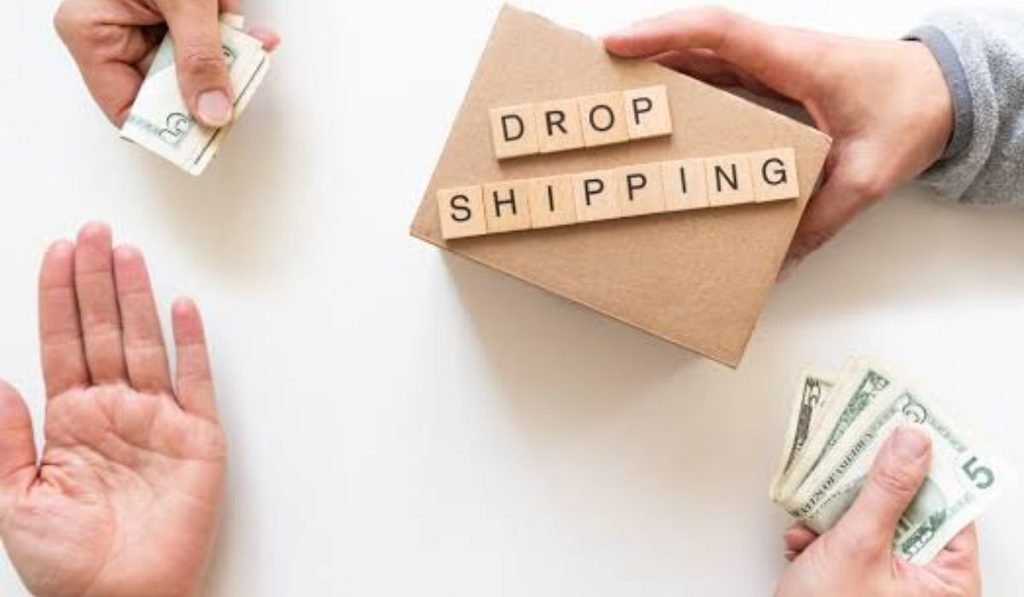
How to start reselling without inventory is a practical way to enter e-commerce without buying large quantities of products upfront or filling your home with boxes.
Instead of purchasing and storing merchandise first, you can use models such as dropshipping, print-on-demand, consignment, and supplier fulfillment. You list products for customers, collect orders, and arrange fulfillment through a supplier or business partner.
The important part is understanding that no inventory does not mean no responsibility. You still control the customer experience, pricing, product descriptions, returns, and much of the business risk.
What Does Reselling Without Inventory Mean?
Traditional reselling usually follows this pattern:
Buy products → Store products → List products → Sell → Pack → Ship
An inventory-free model changes the process:
Research products → List products → Receive an order → Send the order to a supplier → Supplier fulfills it
You may never physically touch the product.
Several approaches can work in 2026:
- Dropshipping from a wholesale supplier
- Print-on-demand
- Consignment selling
- Supplier-based fulfillment
- Selling products owned by a partner
- Pre-order models where appropriate
Each model has different rules, costs, and risks. Choosing the right one is the first major decision.
How to Start Reselling Without Inventory: Pick One Model

Dropshipping
Dropshipping is probably the model most people mean when they search for how to start reselling without inventory.
You advertise products online, but a supplier holds the stock and ships orders directly to your customers.
You make money from the difference between your selling price and your total costs.
The major advantage is that you do not need to purchase hundreds of units before testing demand.
The downside is that you depend heavily on another company’s inventory, shipping speed, and product quality.
Print-on-Demand
Print-on-demand works well for people who can create designs.
You can sell:
- T-shirts
- Hoodies
- Posters
- Mugs
- Tote bags
- Phone cases
- Wall art
The product is produced after the customer places an order.
This means you can test designs without purchasing 100 shirts in advance.
Consignment
Consignment is another low-inventory approach.
You find someone who owns products but does not want to handle online selling. You list and market those products, then split the proceeds according to an agreed arrangement.
This can work particularly well for:
- Vintage clothing
- Designer goods
- Collectibles
- Furniture
- Antiques
- Jewelry
Put the agreement in writing. Clarify the commission, minimum price, shipping responsibility, returns, and what happens if an item is damaged.
Find a Niche Before Finding Products
A common beginner mistake is trying to sell everything.
A focused niche makes research and marketing much easier.
You could focus on:
- Home organization
- Pet accessories
- Fitness accessories
- Desk products
- Fashion
- Outdoor products
- Hobby supplies
- Personalized gifts
The best niche is not necessarily the trendiest one.
Look for products with:
- Consistent demand
- Reasonable margins
- Reliable suppliers
- Low breakage risk
- Manageable shipping
- Few complicated returns
- A clear target customer
Avoid products that are difficult to explain or have extremely high return rates until you understand the business.
Research Products Before Listing Them
Product research is where much of the real work happens.
Search marketplaces and online stores to see what customers are already buying. Then examine reviews.
Look for repeated complaints about:
- Poor quality
- Slow shipping
- Incorrect sizing
- Missing parts
- Weak packaging
- Misleading product photos
- Difficult returns
These complaints can reveal opportunities.
If buyers love a product but dislike the current shopping experience, you may be able to compete through better descriptions, faster fulfillment, better support, or more useful content.
Do not assume that a product with millions of social media views will automatically be profitable.
A viral product can become saturated quickly.
How to Start Reselling Without Inventory With a Reliable Supplier

Your supplier is effectively part of your business.
Before listing products, investigate:
- Shipping times
- Stock levels
- Product quality
- Return procedures
- Tracking information
- Customer service
- Packaging
- Product images
- Wholesale pricing
- Order processing times
If possible, order a sample.
A sample gives you the chance to check whether the actual product matches the supplier’s photographs and description.
This is especially important for clothing, electronics, beauty products, furniture, and other categories where quality matters.
Never advertise a delivery time you cannot reasonably meet.
Understand Marketplace Rules
Not every platform allows every form of inventory-free selling.
For example, eBay currently allows dropshipping when orders are fulfilled directly by a wholesale supplier, but sellers remain responsible for delivery and customer satisfaction. eBay does not allow sellers to list an item and then purchase it from another retailer or marketplace after the sale for direct shipment to the buyer.
That distinction is important.
A legitimate supplier relationship is very different from taking a product from a retail website, marking it up, and hoping the retailer will fulfill your customer order.
Breaking marketplace policies can result in listing removal, selling restrictions, or account suspension.
Always read the current rules of the platform you plan to use before listing products.
Choose Where You Will Sell

Your selling platform affects your audience, fees, and marketing strategy.
| Platform Type | Best For | Main Challenge |
| eBay | Broad product categories | Strict seller policies |
| Shopify store | Building your own brand | You must attract traffic |
| Etsy | Qualifying creative and vintage products | Product eligibility rules |
| Social commerce | Trend-driven products | Requires strong content |
| Local marketplaces | Certain bulky or local goods | Smaller geographic reach |
You do not need to start everywhere.
Pick one main channel, learn how it works, and expand after you have a repeatable process.
Price Products for Profit
Your selling price needs to cover much more than the supplier’s product cost.
Use this formula:
Selling price − supplier cost − marketplace fees − payment fees − advertising − refunds/returns − other expenses = estimated profit
For example:
| Cost or Revenue | Example |
| Customer pays | $50 |
| Supplier cost | -$22 |
| Marketplace/payment fees | -$7 |
| Advertising | -$6 |
| Other costs | -$3 |
| Estimated profit | $12 |
A $50 sale is not a $50 profit.
This calculation should happen before you list the product.
If the numbers do not work on paper, more sales will not necessarily fix the problem.
Create Better Product Listings
You may be selling a product you never physically hold, but the listing still needs to feel trustworthy.
Include:
- Specific product title
- Clear photographs
- Accurate dimensions
- Material information
- Available variations
- Shipping time
- Return policy
- Important limitations
- Honest product description
Avoid copying supplier descriptions word for word.
Rewrite them in language that answers real customer questions.
For example, instead of:
Innovative multifunctional premium storage solution.
Try:
A compact desk organizer with separate sections for pens, cables, notes, and small accessories.
The second version tells shoppers what they are actually buying.
Use Your Own Content to Compete
If dozens of sellers offer the same product, simply copying their listings gives customers little reason to choose you.
Create useful content around the product.
Depending on your niche, this could include:
- Product comparison posts
- Short demonstration videos
- Buying guides
- Size guides
- Setup instructions
- Care tips
- Social media tutorials
Content can also support search engine optimization by answering questions people ask before buying.
You do not always need to compete by having the lowest price.
A clearer buying experience can be valuable too.
Legal and Tax Basics for Resellers
Learning how to start reselling without inventory also means understanding your legal responsibilities.
Your business may need to follow rules covering advertising, consumer protection, taxes, product safety, privacy, and marketplace policies.
In the United States, the FTC says advertising claims must be truthful, not deceptive or unfair, and supported by appropriate evidence. Those principles apply to online advertising as well.
Be careful with claims such as:
- “Guaranteed results”
- “100% safe”
- “Made in the USA”
- “Eco-friendly”
- “Medical grade”
- “Best product available”
Do not make claims you cannot support.
The FTC also notes that online marketplaces have obligations under the INFORM Consumers Act concerning certain high-volume third-party sellers.
Taxes are another consideration.
For U.S. sellers, the IRS currently states that third-party settlement organizations generally report payments on Form 1099-K when payments exceed $20,000 and more than 200 transactions, although a form can be issued below that threshold. The IRS also makes clear that income must be reported even if a seller does not receive a 1099-K.
Tax rules vary by location, so sellers outside the United States should check the rules that apply in their country.
Handle Returns and Customer Problems
Your supplier may ship the package, but the customer usually sees you as the seller.
That means you need a plan for:
- Damaged products
- Wrong products
- Late shipments
- Missing packages
- Refund requests
- Exchanges
- Chargebacks
- Supplier stockouts
Ask your supplier about its return policy before you start selling.
If the supplier requires customers to return products to another country at their own expense, for example, that could create a poor customer experience.
A reliable fulfillment partner can be worth paying slightly more for.
How Much Can You Make Without Inventory?
There is no fixed salary for inventory-free reselling.
Your income depends on your net profit per order and how many profitable orders you generate.
Here is a simple example:
| Monthly Orders | Net Profit Per Order | Example Monthly Profit |
| 50 | $8 | $400 |
| 100 | $10 | $1,000 |
| 250 | $12 | $3,000 |
| 500 | $15 | $7,500 |
These are illustrations, not promises.
A business generating $10,000 in sales may keep far less after advertising, fees, refunds, taxes, and operating expenses.
Track net profit, not just revenue.
A Simple 30-Day Plan
If you are learning how to start reselling without inventory, do not try to launch 100 products at once.
Week 1: Research
Choose a niche, study competitors, compare suppliers, and identify 10 to 20 possible products.
Week 2: Test
Order samples where practical. Check quality, packaging, delivery speed, and supplier communication.
Week 3: List
Choose a small group of products and create accurate, original listings.
Week 4: Measure
Track:
- Views
- Clicks
- Orders
- Conversion rate
- Advertising costs
- Refunds
- Net profit
- Customer complaints
Keep products that show promise and rethink products that consistently perform poorly.
Mistakes to Avoid
The easiest way to lose money is to treat inventory-free reselling as effortless income.
Avoid these mistakes:
- Listing products before checking supplier reliability
- Using retail websites as unauthorized fulfillment sources
- Ignoring marketplace policies
- Copying supplier information without checking it
- Making unrealistic shipping promises
- Forgetting transaction and advertising costs
- Selling products with weak margins
- Ignoring customer complaints
- Scaling advertising before proving the product
- Measuring success by revenue instead of profit
The goal is not to build the biggest store.
The goal is to build a small system that works consistently.
FAQs
- Can I start reselling without buying inventory?
- Yes, dropshipping, print-on-demand, and consignment can allow you to sell products without purchasing and storing traditional inventory.
- How much money do I need to start reselling without inventory?
- Startup costs can be relatively low, but you may still need money for samples, software, marketplace fees, advertising, and unexpected customer expenses.
- Is dropshipping allowed on eBay in 2026?
- eBay allows fulfillment through wholesale suppliers but does not allow sellers to purchase products from another retailer or marketplace after a sale for direct shipment to the customer.
- Do I need to order samples before selling products?
- Ordering samples is not always required, but it is a useful way to verify product quality and fulfillment before accepting customer orders.
- Can reselling without inventory be profitable?
- Yes, but profitability depends on product demand, supplier costs, selling fees, advertising expenses, returns, and the net profit generated per order.
Learning how to start reselling without inventory is really about building a business around research and fulfillment rather than storing products yourself.
Start with one niche, test a small number of products, and keep careful records. If a product sells, study why it worked before scaling it. If it fails, treat the result as useful information rather than simply buying more products.
You do not need a warehouse to start. You need a reliable supply chain, sensible margins, honest listings, and a reason for customers to choose you.
For business inquiries, feedback, or guest post opportunities, contact timesstock1@gmail.com.







[…] best way to start how to source liquidation products locally is to identify businesses that regularly need to clear […]