 admin
admin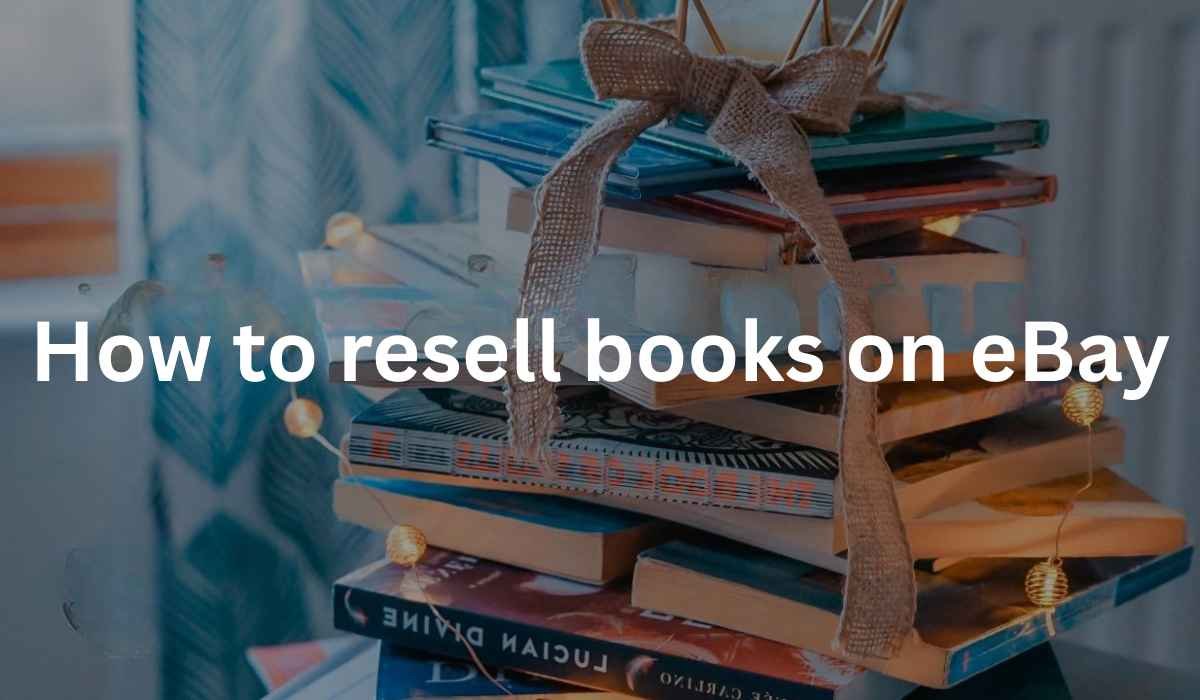
How to resell books on eBay starts with one simple rule: buy books cheaply, identify the right editions, list them accurately, and make sure the final sale price leaves enough profit after fees and shipping.
Books are a useful product for beginner resellers because they are easy to find, simple to store, and often have clear product identifiers such as ISBNs. But not every book is worth listing. A common paperback may sell for only a few dollars, while a rare edition, textbook, signed copy, or collectible title can be worth much more.
eBay’s current seller tools also make book listing easier because sellers can enter an ISBN and use matching catalog information when available.
Why Resell Books on eBay?
Books can be a good starting point for a small resale business because you do not need a large amount of inventory to begin.
You can source books from:
- Thrift stores
- Library sales
- Garage and estate sales
- Charity shops
- Used bookstores
- Clearance shelves
- Local auctions
- Your own unwanted books
- Bulk book lots
The key is not simply finding cheap books. The goal is finding books that have enough demand to justify your costs.
For example, buying a book for $1 and selling it for $12 sounds profitable. But after eBay fees, packaging, shipping, and other costs, the actual profit can be much smaller.
How to Resell Books on eBay Step by Step

If you are learning how to resell books on eBay, use a repeatable process instead of buying anything that looks interesting.
1. Find Books With Resale Potential
Start by scanning the ISBN, title, author, publisher, and edition.
Look for books in categories such as:
- College and professional textbooks
- Out-of-print books
- First editions
- Signed books
- Collectible children’s books
- Art and photography books
- Technical manuals
- Popular reference books
- Special editions
- Older books in excellent condition
- Books with unusual or discontinued editions
Do not assume an old book is valuable just because it is old. Demand matters more than age.
A 1990 book with thousands of available copies may be worth less than a newer book with limited supply.
2. Check eBay’s Sold Prices
One of the biggest mistakes beginners make is looking only at current asking prices.
A seller might list a book for $50, but that does not mean buyers are paying $50.
eBay recommends checking completed listings to understand what similar items have actually sold for. You can use Advanced Search and select completed listings when researching an item’s market value.
Compare several sold examples and look for:
- Same ISBN
- Same edition
- Same format
- Similar condition
- Similar publication year
- Similar dust jacket or accessories
This gives you a much better idea of realistic selling prices.
How to Check a Book Before Buying It

Before putting money into inventory, inspect every book carefully.
Check the following:
| Check | What to Look For |
| ISBN | Match the exact edition |
| Cover | Tears, bends, stains or missing parts |
| Pages | Writing, highlighting, missing pages |
| Binding | Loose or damaged binding |
| Dust jacket | Present and undamaged if applicable |
| Edition | First, revised, international or special edition |
| Publishing year | Compare with the valuable edition |
| Demand | Check sold eBay listings |
| Cost | Make sure enough profit remains |
| Authenticity | Watch for counterfeit or replacement copies |
This step becomes especially important with textbooks and expensive collectible books.
An international edition can look similar to a standard edition while having a very different resale value.
Use the ISBN to List Books Faster
The ISBN is one of the most useful tools when learning how to resell books on eBay.
An ISBN identifies a particular book edition. eBay says product identifiers such as ISBNs can help buyers find listings and can speed up the listing process. When a matching product exists in eBay’s catalog, information can be pre-filled.
However, do not blindly accept the catalog match.
Make sure the ISBN actually belongs to your copy.
Check:
- ISBN
- Publisher
- Publication date
- Edition
- Format
- Cover
- Condition
If any of these are different, correct the listing before publishing it.
How to Create a Strong eBay Book Listing

A good listing answers the buyer’s questions before they need to ask them.
eBay recommends clear descriptions, accurate condition information, photos, and relevant item specifics.
Write a Specific Title
Instead of:
Good Book by Famous Author
Use something closer to:
Harry Potter and the Goblet of Fire Hardcover 2000 First Edition
Your title should include useful details such as:
- Author
- Book title
- Edition
- Format
- Publication year
- ISBN when useful
- Special features
Do not fill the title with unrelated keywords.
Take Your Own Photos
Catalog images can help identify a product, but your own photos show the exact condition of the copy you are selling.
Take pictures of:
- Front cover
- Back cover
- Spine
- Copyright page
- ISBN
- Title page
- Important flaws
- Writing or highlighting
- Dust jacket
- Any special signatures or markings
If the book has damage, show it clearly.
Honest photographs can prevent disputes later.
Describe Book Condition Honestly

Condition can make a major difference in book resale.
Do not describe a heavily highlighted textbook as “like new.”
Mention issues such as:
- Underlining
- Highlighting
- Writing
- Stains
- Creased pages
- Torn pages
- Ex-library markings
- Name stamps
- Damaged binding
- Missing dust jacket
- Bent corners
A buyer who knows exactly what they are receiving is less likely to be disappointed.
How to Price Books for Profit
The best approach to how to resell books on eBay is to calculate your profit before buying inventory.
Use this basic formula:
Estimated Profit = Sale Price – eBay Fees – Shipping – Packaging – Purchase Cost
For example:
- Purchase price: $2
- Expected sale price: $20
- Shipping and packaging: $5
- eBay fees and other selling costs: $3.50
- Estimated profit: $9.50
The numbers will vary depending on your account, category, sale price, shipping arrangement, taxes, and other factors.
For U.S. sellers, eBay currently lists Books & Magazines among categories with a 15.3% final value fee on the sale amount up to $7,500, plus a per-order fee. eBay also says most casual sellers receive 250 zero-insertion-fee listings each month before additional insertion fees generally apply.
Always check your own fee schedule before calculating a large inventory purchase.
Choose Between Fixed Price and Auction
For most ordinary used books, a fixed-price listing is often easier to manage.
An auction can make more sense when:
- The book is rare
- Demand is strong
- Several buyers may compete
- The item’s value is difficult to estimate
- It is a desirable collectible
For common books, an auction can sometimes result in a disappointing final price.
If you know the market value, fixed pricing gives you more control.
Shipping Books Without Losing Money
Shipping can make or break your profit.
Before listing, weigh and measure the packed book rather than guessing.
eBay recommends using accurate shipping information because the shipping method and cost shown to the buyer should match what you actually provide. Sellers must also ship within the handling time stated in their listing.
For books, use packaging that protects the corners and prevents moisture damage.
Good options include:
- Book mailers
- Padded mailers for smaller books
- Corrugated cardboard
- Bubble wrap when appropriate
- Poly bags for moisture protection
Do not use oversized boxes for small books. Extra packaging can increase shipping costs.
Where to Store Your Book Inventory
Books take up more space than many new sellers expect.
Create a simple inventory system from the beginning.
For example:
A1-B03
This could mean:
- A1 = shelf
- B03 = third position
Then record the same code in your eBay inventory notes or spreadsheet.
Your spreadsheet can include:
| SKU | Book | Cost | Listed Price | Sold Price | Date Sold |
| A1-B03 | Book title | $1.50 | $18.99 | $17.50 | Sept. 2026 |
This prevents the common problem of selling a book and then spending ten minutes searching through boxes to find it.
Mistakes New Book Resellers Should Avoid
When learning how to resell books on eBay, avoid these common mistakes:
Buying Based Only on Age
Old does not automatically mean valuable.
Ignoring the Edition
Different editions can have completely different prices.
Using Only Asking Prices
Always look at sold listings when possible.
Underestimating Shipping
A profitable-looking book can become unprofitable after shipping and fees.
Hiding Damage
Small defects should be disclosed.
Buying Too Much Inventory
Start with a manageable number of books and learn what sells.
Keeping Poor Records
Track your purchase cost, sale price, fees, shipping, and profit.
How to Scale a Book Reselling Business
Once you know what sells, increase your inventory slowly.
You can create a simple sourcing routine:
- Visit two or three thrift stores each week.
- Scan promising ISBNs.
- Check recent sold prices.
- Record profitable titles.
- Buy only when the numbers work.
- List books quickly.
- Store each item with a SKU.
- Review your sales every month.
Over time, you will recognize profitable categories faster.
You may discover that textbooks, niche nonfiction, vintage children’s books, or collectible editions perform better for you than ordinary novels.
That information is more valuable than simply having hundreds of random books listed.
Is Book Reselling Still Worth It in 2026?
Yes, but it works best when you treat it like a numbers game rather than a treasure hunt.
The biggest opportunity is not finding a magical book every time you visit a thrift store. It is consistently buying inventory at a low enough cost and accurately estimating demand.
eBay itself recommends researching similar items and past completed sales when setting prices, which supports a research-first approach.
If you can buy books cheaply, identify the exact editions, create accurate listings, control shipping costs, and maintain good inventory records, book reselling can become a useful side business.
A Simple Beginner Plan
If you want to start this week, keep your first test small.
Day 1: Create or prepare your eBay seller account and research 20 books.
Day 2: Visit a thrift store, library sale, or other low-cost source.
Day 3: Buy only books with clear resale potential.
Day 4: Clean and inspect the books.
Day 5: Photograph and list them.
Day 6: Organize your inventory and record costs.
Day 7: Review prices and improve weak listings.
The purpose of the first week is not to make a huge amount of money. It is to learn the complete process from sourcing to sale.
Frequently Asked Questions
- Is it profitable to resell books on eBay?
- Yes, but profitability depends on sourcing cost, demand, selling price, eBay fees, shipping, and the condition of each book.
- What books sell best on eBay?
- Rare editions, textbooks, signed copies, collectible books, niche nonfiction, and books with strong buyer demand can offer better resale opportunities.
- How do I find out what a book is worth on eBay?
- Search for the exact title or ISBN and check completed or sold listings to compare actual market prices.
- Do I need an ISBN to sell books on eBay?
- An ISBN can make identification and listing easier, but the exact product-identifier requirements depend on the category and listing.
- How much does eBay charge for selling books?
- For U.S. sellers, eBay currently lists a 15.3% final value fee for Books & Magazines up to $7,500, plus a per-order fee, subject to applicable terms.
The best way to succeed with book resale is to become selective. You do not need every book you find. You need the right books at the right purchase price, backed by accurate research and honest listings. Start small, track every sale, and let your own sales data show you which books are worth buying again.