
 admin
admin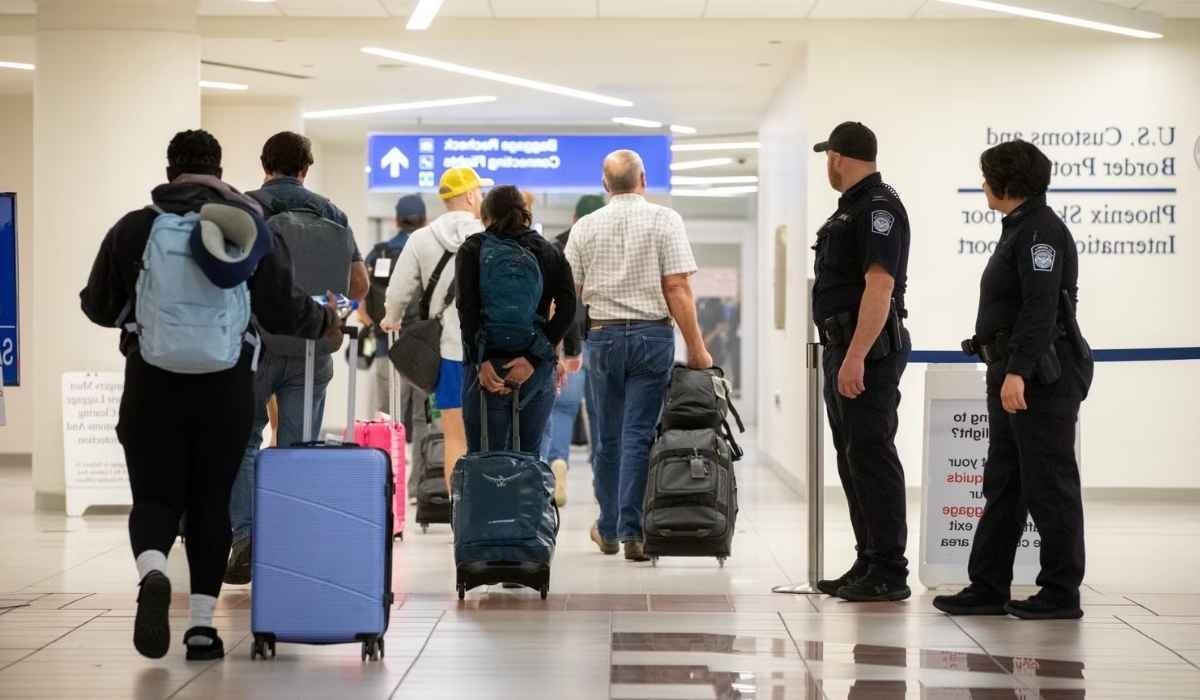
If you are flying internationally and changing planes, how does customs work with connecting flights depends mainly on where you arrive, where your next flight goes, and whether the connecting airport requires you to formally enter the country.
A connection is not always as simple as walking from one gate to another. On some international itineraries, you must collect your checked luggage, go through customs and immigration, recheck your bags, and pass security again. On others, you can remain airside and continue directly to your next gate.
Understanding the difference can help you avoid missed connections, unexpected baggage problems, and confusion at the airport.
How Does Customs Work With Connecting Flights?
The most important rule is that customs and immigration are not the same thing.
Immigration or passport control checks your right to enter a country. Customs deals mainly with goods and items you are bringing into the country.
When an international traveler arrives at a destination, the process may include:
- Leaving the aircraft.
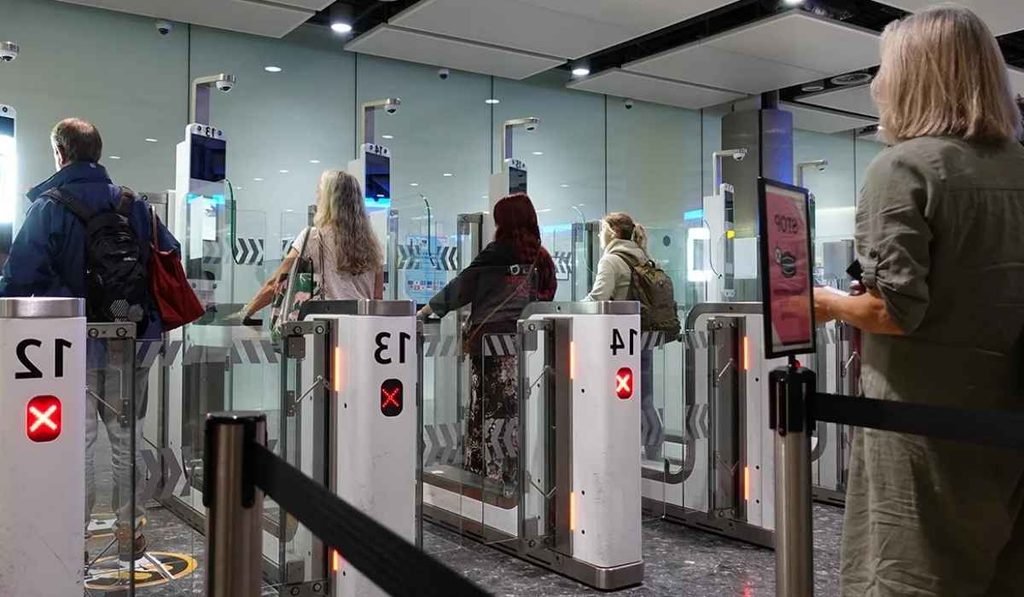
- Following signs for immigration or passport control.
- Presenting your passport and required documents.
- Collecting checked luggage if required.
- Going through customs.
- Rechecking luggage when necessary.
- Passing security again.
- Walking to the departure gate.
However, this sequence varies by airport and itinerary.
The U.S. Customs and Border Protection (CBP) says travelers arriving in the United States are subject to inspection, even when they are continuing to another destination. That means an international passenger connecting through a U.S. airport generally must complete U.S. entry procedures before continuing onward.
Customs vs. Immigration During a Flight Connection
These two terms are often used together, but they have different jobs.
Immigration
Immigration officers focus on the traveler.
They may check:
- Passport
- Visa or travel authorization
- Reason for travel
- Entry eligibility
- Length of stay
- Previous travel information
Customs
Customs officers focus on goods and items entering the country.
You may need to declare items such as:
- Food
- Plants
- Animal products
- Currency above reporting limits
- Commercial goods
- Certain medications
- Other restricted or regulated items
The exact declaration rules depend on the country.
This distinction matters because you may need to clear immigration even if you are only connecting to another flight.
When Do You Have to Go Through Customs on a Connecting Flight?
One of the biggest questions travelers ask about how does customs work with connecting flights is whether they have to collect their bags during the connection.
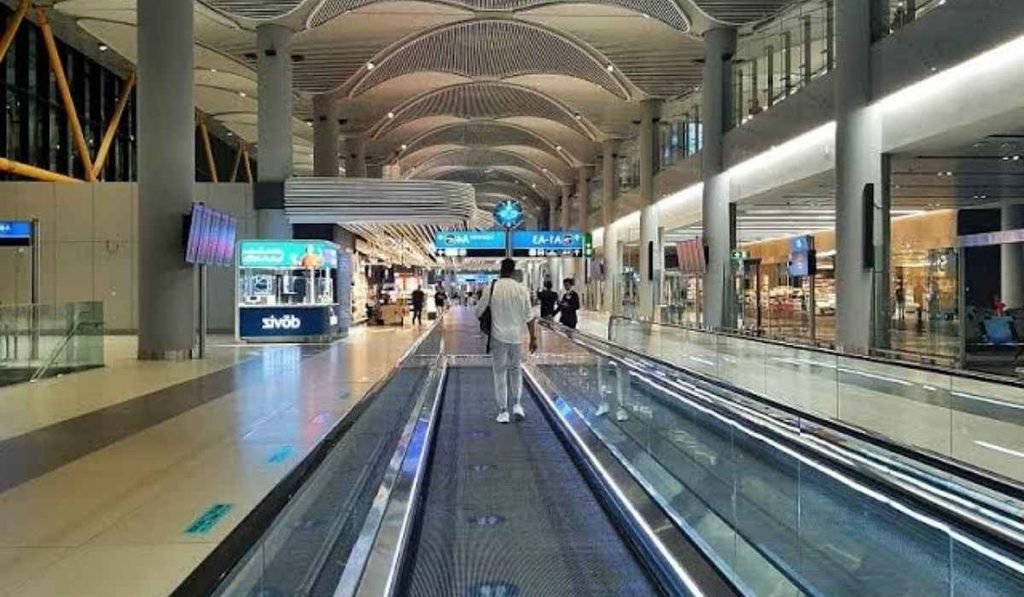
In many countries, international transit passengers can remain in a secure transit area and avoid formal entry procedures if they meet the airport’s transit rules.
The United States is different for many international connections.
For example, someone flying:
London → New York → Los Angeles
will normally enter the United States at New York rather than waiting until Los Angeles.
That means the passenger generally completes U.S. immigration and customs procedures in New York before taking the domestic flight to Los Angeles.
This is why an international connection in the United States can require more time than travelers expect.
What Happens When Connecting Through the United States?
If you are arriving in the United States from another country and connecting to another U.S. destination, expect to complete CBP processing at your first U.S. airport.
A typical process looks like this:
1. Get off the international flight
Follow signs for arrivals, immigration, or passport control.
2. Go through passport control
CBP officers review your documents and determine whether you can enter the United States.
3. Collect your checked baggage
Even if your luggage is tagged to your final destination, you may still have to collect it for customs processing.
4. Complete customs procedures
Follow the airport’s instructions for declarations and customs inspection.
5. Recheck your luggage
At many U.S. international arrival airports, passengers can hand their bags over again after customs if they are already tagged for the final destination.
6. Pass through security
You may need to go through TSA screening again before reaching your connecting gate.
This process explains why how does customs work with connecting flights can be more complicated in the United States than in some other countries.
CBP’s Mobile Passport Control program is also available to eligible travelers at participating U.S. airports, which may help reduce processing time.
Do You Always Collect Your Bags During an International Connection?
No.
Your baggage process depends on the country, airport, airline, ticket, and itinerary.
For some international transfers, your checked bag remains in the airline’s system and is transferred automatically to the next aircraft.
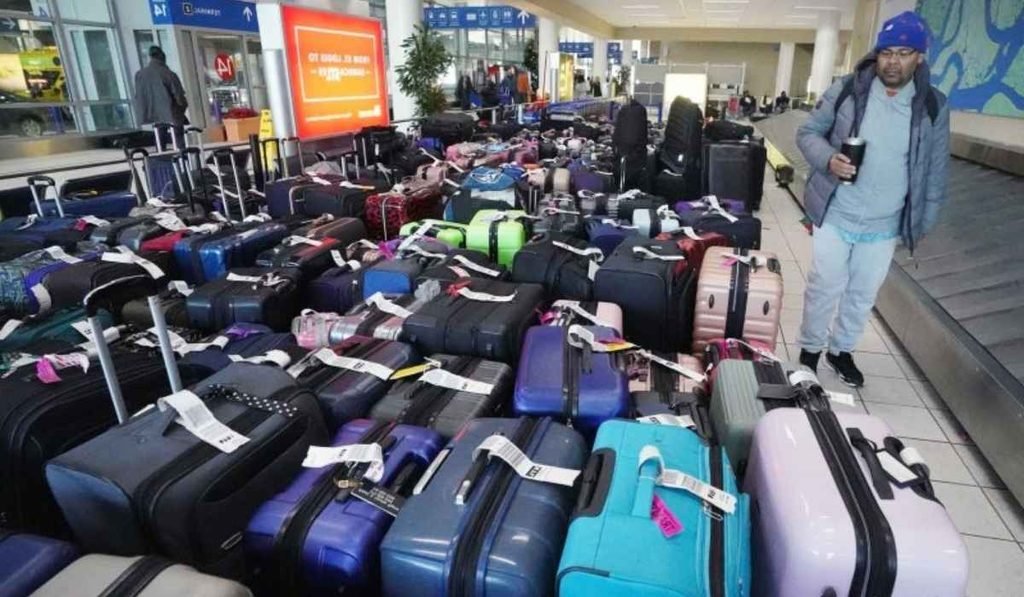
For other connections, you must collect it and present it for customs inspection before checking it in again.
A useful rule is to ask the airline before your first departure:
“Do I need to collect my checked bag during my connection?”
You can also look at your baggage tag. It usually shows the airport code for the destination where the bag is tagged.
However, a destination tag does not automatically mean you will not need to collect the bag for customs.
Customs Rules for International-to-International Connections
This is where how does customs work with connecting flights becomes especially dependent on the airport.
Imagine you are flying:
Dubai → Frankfurt → Toronto
You may be able to remain in the international transit area at Frankfurt if your itinerary and travel documents allow it.
But the rules can change if:
- You leave the secure transit zone.
- Your connecting flight is domestic.
- Your bags are not checked through.
- Your itinerary involves separate tickets.
- You need to change terminals.
- Your nationality requires a transit visa.
- The airport requires passengers to pass through border control.
The European Union also has specific rules for travelers entering and transiting through the Schengen Area. The European Commission explains that airport transit visas and entry requirements can depend on nationality, destination, and whether the traveler remains in the international transit area.
International to Domestic Connections
International-to-domestic connections are usually the most important situation to understand.
If you arrive internationally and then continue on a domestic flight, you often need to complete entry procedures before taking that domestic flight.
For example:
| Route | Typical Process |
| London → New York → Los Angeles | U.S. immigration + customs in New York |
| Paris → Amsterdam → Rome | Usually Schengen border rules apply at the appropriate entry point |
| Tokyo → Singapore → Sydney | Transit procedures depend on Singapore’s current transit rules |
| Dubai → Doha → Bangkok | Transit procedures depend on the airport and itinerary |
| Toronto → Vancouver | Domestic connection after entering Canada |
These examples are general. Your airline and airport should always be treated as the final authority for your specific itinerary.
What If You Have a Short Connection?
A short connection can be stressful when customs is involved.
If your itinerary requires immigration, baggage collection, customs, baggage recheck, and security, a two-hour connection may feel much shorter than expected.
When booking an international itinerary, check:
- Minimum connection time
- Whether immigration is required
- Whether baggage must be collected
- Whether you need to change terminals
- Whether another security check is required
- Whether you need a transit or entry visa
Airlines generally publish minimum connection requirements, but a longer connection is often more comfortable for international travel.
If you are booking separate tickets, give yourself even more time because the second airline may not protect you if the first flight is delayed.
What Happens to Your Checked Bags?

Baggage is one of the biggest sources of confusion.
There are two common situations.
Bags are checked through
The airline may tag your bag to your final destination.
You still need to check whether customs requires you to collect it during your connection.
Bags are not checked through
You may need to collect the bag at the connecting airport, leave the secure area, and check in again with another airline.
This is especially important with separate tickets.
For example, if you buy:
Flight 1: Istanbul → London
and separately buy:
Flight 2: London → New York
you should not automatically assume the airlines will transfer your baggage.
You may need to collect your luggage and check in again.
How Early Should You Arrive for a Connecting Flight?
If your connection involves customs, give yourself a healthy time buffer.
A simple planning guide is:
- Under 2 hours: Risky for many international connections involving border processing.
- 2–3 hours: May work if the airport process is efficient and flights are on one ticket.
- 3+ hours: More comfortable for many international connections.
- Separate tickets: Consider a significantly longer buffer.
- Airport change: Allow several additional hours.
There is no universal “safe” connection time because airports, immigration queues, and baggage procedures vary.
How Does Customs Work With Connecting Flights When You Have Nothing to Declare?
Even if you have nothing to declare, you may still have to pass through customs.
“Nothing to declare” does not necessarily mean you can skip the customs process.
You still need to follow the airport’s instructions and answer declaration questions honestly.
If an officer asks you to open your luggage, you should cooperate. Customs authorities can inspect baggage even when a traveler believes everything inside is permitted.
Food is a common issue. Travelers sometimes carry fruit, meat, dairy products, seeds, or other agricultural items without realizing they are restricted.
When in doubt, declare the item and let customs officers decide whether it is allowed.
Tips for Making International Connections Easier
Once you understand how does customs work with connecting flights, a few simple habits can make your trip much easier.
Keep important documents accessible
Do not put your passport, visa, boarding pass, or required travel documents deep inside your checked luggage.
Check your baggage tag
Confirm the airport code shown on your luggage tag before leaving the check-in counter.
Ask about baggage collection
Do not assume the airline will automatically transfer your bag.
Research transit visa rules
A passenger who can transit without a visa in one country may need a transit visa elsewhere.
Keep valuable items in your carry-on
Passports, money, electronics, essential medicine, and important documents should stay with you.
Avoid risky separate-ticket connections
A missed connection on separate tickets can create additional costs and complications.
How Does Customs Work With Connecting Flights When Changing Airports?
Changing airports is a completely different situation.
For example, if your itinerary requires you to travel from one airport to another, you may need to:
- Clear immigration.
- Collect your baggage.
- Complete customs.
- Leave the airport.
- Travel to another airport.
- Check in again.
- Drop your baggage.
- Pass through security.
- Reach your new departure gate.
This can take several hours.
Before booking such an itinerary, check whether you are legally permitted to enter the country during the transfer. A transit visa may not cover a situation where you must leave the airport.
How Does Customs Work With Connecting Flights: A Simple Rule
The easiest way to remember how does customs work with connecting flights is this: customs is usually handled at the point where you officially enter a country, but transit rules can allow some passengers to remain airside.
International-to-domestic connections often require entry procedures before the domestic flight. International-to-international connections may allow airside transit, depending on the airport, country, passport, and itinerary.
Your airline can tell you how your bags are tagged, while the destination country’s immigration and customs authorities determine the legal entry requirements.
Checking both before you fly can save you from a very unpleasant surprise at the connecting airport.
FAQs
- How does customs work with connecting flights in the United States?
- International passengers generally complete U.S. immigration and customs at their first U.S. airport before continuing to another U.S. destination.
- Do I have to collect my luggage during an international connection?
- You may need to collect your checked luggage for customs even when the airline has tagged it to your final destination.
- Do international-to-international connections require customs?
- Not always, because some airports allow eligible passengers to remain in the international transit area without formally entering the country.
- What happens if my connecting flight is domestic?
- You generally need to complete the destination country’s entry procedures before continuing on the domestic flight.
- Do I need a transit visa for an international connection?
- Transit visa requirements depend on your nationality, airport, destination, and whether you remain in the secure transit area.
A connecting flight can be easy when you know what to expect. Before traveling, check your airport’s transfer rules, confirm what happens to your luggage, and verify visa requirements for every country on your route. A little preparation can turn a confusing customs process into a straightforward part of the journey.









[…] private jet vacation packages are premium travel arrangements that combine private aviation with luxury vacation […]