 admin
admin
Finding profitable products at wholesale prices is one of the most important steps when starting or growing a resale business. Learning how to find wholesale products for resale can help you lower product costs, protect your profit margin, and build a store around items people actually want to buy.
The challenge is not simply finding a supplier. You need to find products with reliable demand, reasonable wholesale prices, manageable shipping costs, and enough room for profit after marketplace fees, packaging, returns, and other expenses.
Whether you sell through your own website, online marketplaces, social media, or local stores, the process becomes much easier when you know where to search and what to check before placing an order.
What Makes a Good Wholesale Product?
Before searching for suppliers, decide what makes a product worth reselling. A cheap product is not automatically a profitable product.
A strong resale product usually has several of these qualities:
- Consistent customer demand
- Reasonable wholesale pricing
- Good profit potential
- Low risk of damage during shipping
- Easy storage
- Simple packaging
- Few size or color variations
- Reliable supplier availability
- Positive customer reviews or market interest
- A clear difference between wholesale and retail prices
For example, a product that costs $5 wholesale and sells for $15 may look attractive. But if shipping, marketplace fees, packaging, and returns consume $7, the actual profit is much smaller.
That is why product research should happen before supplier research.
How to Find Wholesale Products for Resale Online
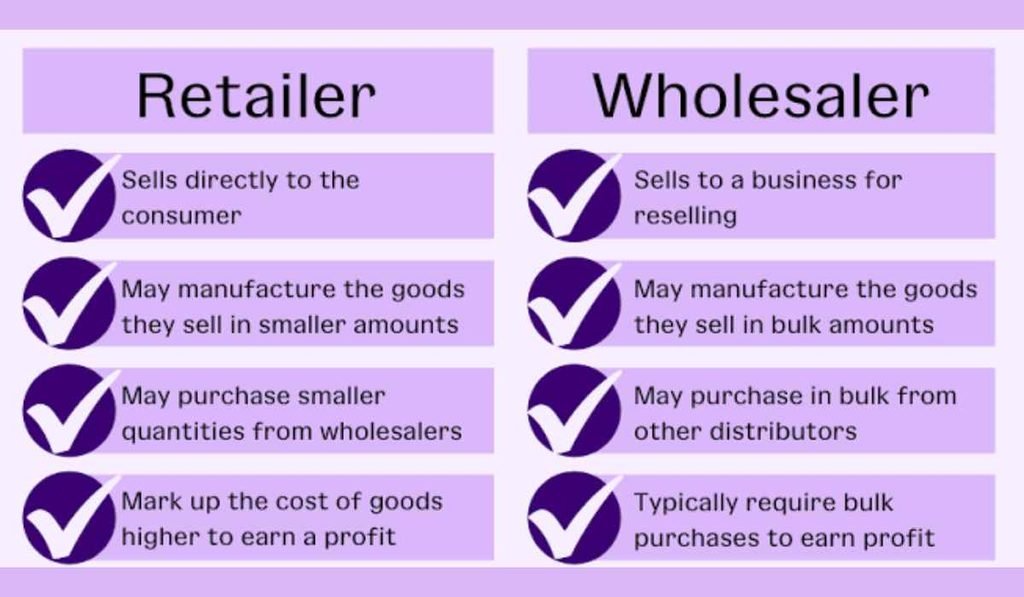
The internet gives resellers several ways to discover wholesale merchandise. You do not have to rely on one supplier directory or one marketplace.
Start by researching categories rather than individual products. Look at areas such as:
- Home and kitchen
- Beauty accessories
- Pet supplies
- Clothing and fashion accessories
- Office products
- Fitness accessories
- Phone and tech accessories
- Hobby products
- Seasonal merchandise
- Small household goods
Once you identify a promising category, look for products that have steady demand without being dominated by dozens of established brands.
Search Wholesale Marketplaces
Wholesale marketplaces can connect retailers with manufacturers, distributors, and smaller suppliers. They are useful for comparing product prices, minimum order quantities, shipping options, and supplier policies.
When comparing suppliers, check:
- Wholesale price
- Minimum order quantity
- Shipping cost
- Estimated delivery time
- Return policy
- Product quality
- Supplier reviews
- Stock availability
- Payment methods
- Custom packaging options
Do not choose a supplier just because its listed price is the lowest. A slightly higher product price may be worthwhile if the supplier offers better quality, faster delivery, and fewer problems.
How to Find Wholesale Products for Resale From Manufacturers
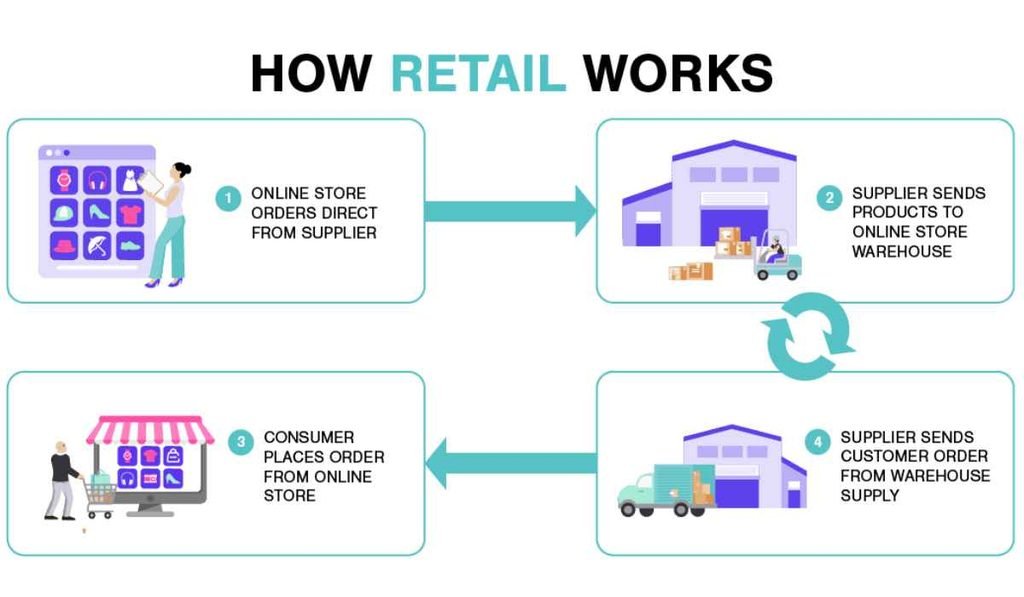
Buying directly from a manufacturer can sometimes provide better pricing than purchasing through a middleman.
Search for manufacturers that specialize in your chosen product category. Many manufacturers have wholesale departments or retailer programs that are not heavily advertised on consumer shopping websites.
When contacting a manufacturer, ask about:
- Wholesale pricing
- Minimum order quantities
- Sample orders
- Production times
- Available colors or variations
- Private-label options
- Shipping arrangements
- Defective product policies
- Payment terms
Buying directly can be especially useful once you know a product sells consistently. A manufacturer may offer better pricing at higher quantities, which can improve your margin as your business grows.
Use Wholesale Directories Carefully
Wholesale directories can save time because they organize suppliers by product category. They can be useful for discovering companies you may not find through normal searches.
However, a directory listing does not automatically mean a supplier is trustworthy.
Before working with a supplier, verify:
- The company has real contact information.
- Its business website is active.
- Product details are clear.
- Wholesale terms are easy to understand.
- Reviews are available from independent sources.
- The company provides invoices or proper business documentation.
- You can order a sample when appropriate.
Be careful with suppliers demanding large upfront payments before you have verified their business and products.
How to Find Wholesale Products for Resale at Trade Shows
Trade shows remain useful for discovering products and meeting suppliers directly. They allow you to see products in person instead of judging everything from photographs.
At a trade show, you can:
- Compare similar products from different suppliers.
- Ask questions directly.
- Inspect product quality.
- Negotiate wholesale terms.
- Request samples.
- Learn about upcoming products.
- Build relationships with manufacturers and distributors.
Bring a simple checklist so you do not get distracted by products that look interesting but have weak resale potential.
Ask every supplier about minimum quantities, wholesale pricing, shipping, lead times, and return policies before making a decision.
Research Demand Before Buying in Bulk
One of the biggest mistakes new resellers make is buying inventory before checking whether customers actually want it.
Good product research should answer three basic questions:
Do people want this product?
Look at search interest, marketplace activity, customer reviews, and social media discussions.
Can I compete?
Check how many sellers offer similar products and compare their prices, shipping options, photos, and reviews.
Can I make money?
Calculate your complete cost before ordering.
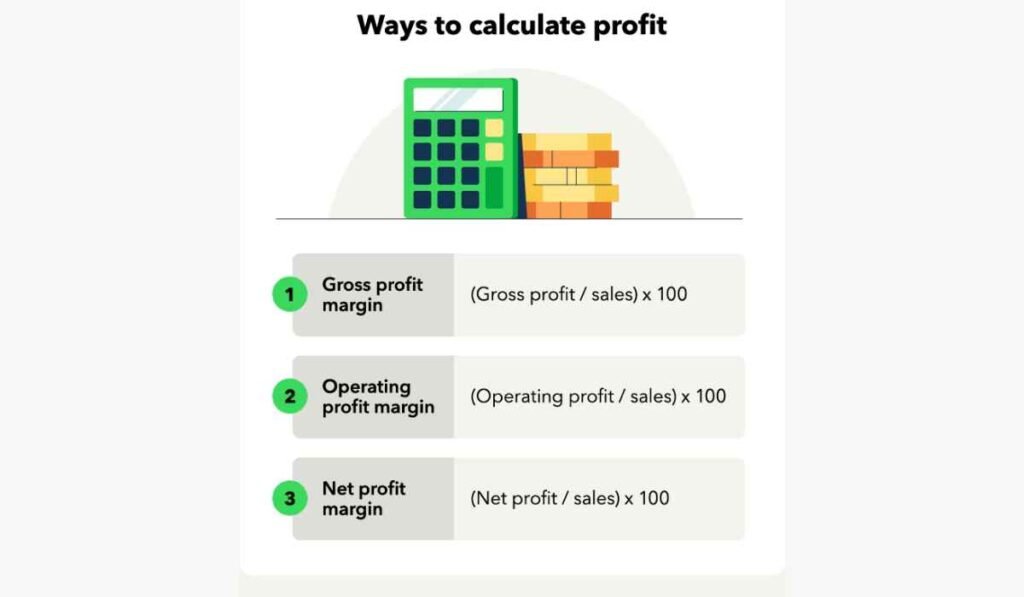
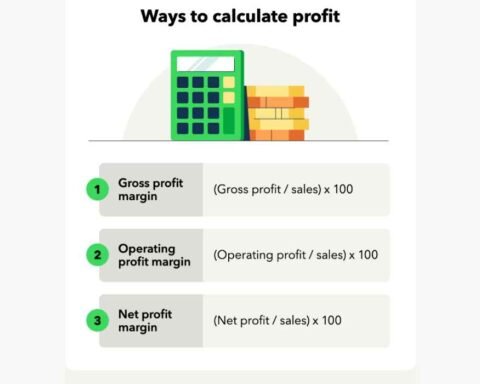
A simple profit calculation looks like this:
Selling price – product cost – shipping – marketplace fees – packaging – other expenses = estimated profit
For example:
| Cost or Revenue | Example Amount |
| Selling price | $25 |
| Wholesale product cost | $8 |
| Shipping per item | $3 |
| Packaging | $1 |
| Marketplace and payment fees | $4 |
| Estimated profit | $9 |
The numbers will vary by product and sales channel, but this calculation gives you a much clearer picture than looking at wholesale price alone.
Buy Samples Before a Large Wholesale Order

A sample is one of the simplest ways to reduce risk.
Pictures can hide problems with materials, sizing, packaging, colors, construction, or product functionality. A sample lets you evaluate the actual item before committing to a larger order.
Check the sample for:
- Build quality
- Packaging
- Labeling
- Size and measurements
- Material quality
- Color accuracy
- Product functionality
- Shipping damage
- Instructions or included accessories
If the sample does not meet your expectations, do not assume a larger order will somehow be better.
Compare Wholesale Suppliers Before Choosing One
It is smart to compare at least three potential suppliers when possible. This gives you a better understanding of normal wholesale pricing and helps identify unusually expensive or suspicious offers.
| Supplier Factor | What to Check | Why It Matters |
| Product price | Cost per unit | Determines your basic margin |
| MOQ | Minimum order quantity | Controls upfront investment |
| Shipping | Per order or per item | Changes your true product cost |
| Lead time | Processing and delivery | Affects customer satisfaction |
| Quality | Samples and reviews | Reduces returns |
| Returns | Supplier policy | Protects you from defective stock |
| Communication | Response speed and clarity | Helps solve problems quickly |
A supplier that communicates clearly before you place an order is generally easier to work with after you become a customer.
How to Find Wholesale Products for Resale With Low Competition
Finding products with less competition does not mean finding products nobody knows about. A completely unknown product may have no demand.
Instead, look for small opportunities within established categories.
For example, rather than selling generic phone accessories, you might focus on a specific device type, customer group, style, or use case.
You can also look for products with:
- Poor existing product listings
- Limited style choices
- Weak product descriptions
- High customer complaints
- Few reliable sellers
- Growing interest
- Opportunities for better bundles
Improving the buying experience can give you an advantage even when other sellers offer similar products.
Consider Local Wholesale Suppliers
International suppliers are not your only option. Local wholesalers and distributors can offer important advantages.
Local sourcing may provide:
- Faster delivery
- Lower shipping complexity
- Easier communication
- Easier product returns
- Smaller minimum orders
- Faster restocking
The wholesale price may be higher than overseas pricing, but the total business cost can sometimes be lower when shipping and delivery risks are included.
For beginners, a local supplier can also make it easier to test a product without investing heavily in international inventory.
Watch Out for Common Wholesale Mistakes
Knowing how to find wholesale products for resale is only half the process. Knowing what to avoid can save you money.
Common mistakes include:
Ordering Too Much Inventory
A large order may provide a lower unit price, but unsold inventory ties up your cash.
Ignoring Shipping Costs
A product can look cheap until international shipping, customs charges, or other expenses are added.
Skipping Product Samples
Buying hundreds of units without seeing the product first creates unnecessary risk.
Chasing Every Trend
A product can become popular quickly and lose attention just as fast. Look for evidence of sustainable demand when possible.
Focusing Only on Price
The cheapest supplier is not always the best supplier. Quality and reliability affect your real profit.
A Simple Wholesale Product Research Process
If you are still learning how to find wholesale products for resale, use this basic process:
- Choose two or three product categories.
- Research customer demand.
- Identify several products with resale potential.
- Find at least three possible suppliers.
- Compare wholesale prices and minimum orders.
- Calculate your complete selling costs.
- Order samples when possible.
- Check product quality and supplier reliability.
- Start with a small inventory.
- Track sales before increasing your order size.
This approach keeps the initial risk under control while giving you real information about what customers will buy.
How to Scale After Finding a Winning Product
Once you discover a product that sells consistently, how to find wholesale products for resale becomes less about finding one random item and more about building a dependable supply chain.
You can contact the supplier about larger orders, better pricing, repeat-order discounts, private labeling, or exclusive variations.
Keep records of:
- Unit cost
- Shipping cost
- Order quantity
- Sales volume
- Return rate
- Profit per unit
- Reorder time
- Customer feedback
These numbers help you decide whether a product deserves more investment.
A successful resale business usually grows from a small number of products that perform well rather than a huge catalog filled with untested inventory.
FAQs
- How do I find wholesale products for resale without buying large quantities?
- Look for suppliers offering low minimum order quantities, samples, or small starter orders.
- What is the best place to find wholesale products for resale?
- Wholesale marketplaces, manufacturers, distributors, trade shows, and local suppliers can all be useful depending on the product category.
- How do I know if a wholesale product will be profitable?
- Calculate the selling price minus product, shipping, packaging, platform fees, and other costs before placing a large order.
- Should I buy wholesale products before testing them?
- Ordering a sample or small quantity first is usually safer than committing to a large inventory purchase.
- Can beginners find wholesale products for resale with a small budget?
- Yes, beginners can start with low-MOQ suppliers, local wholesalers, samples, and small test orders to reduce upfront costs.
Finding profitable inventory does not have to mean taking a huge financial risk. Start with careful product research, compare several suppliers, test products in small quantities, and track the numbers closely. Once you know what sells, you can negotiate better deals and build a wholesale supply process that supports steady growth.