 admin
admin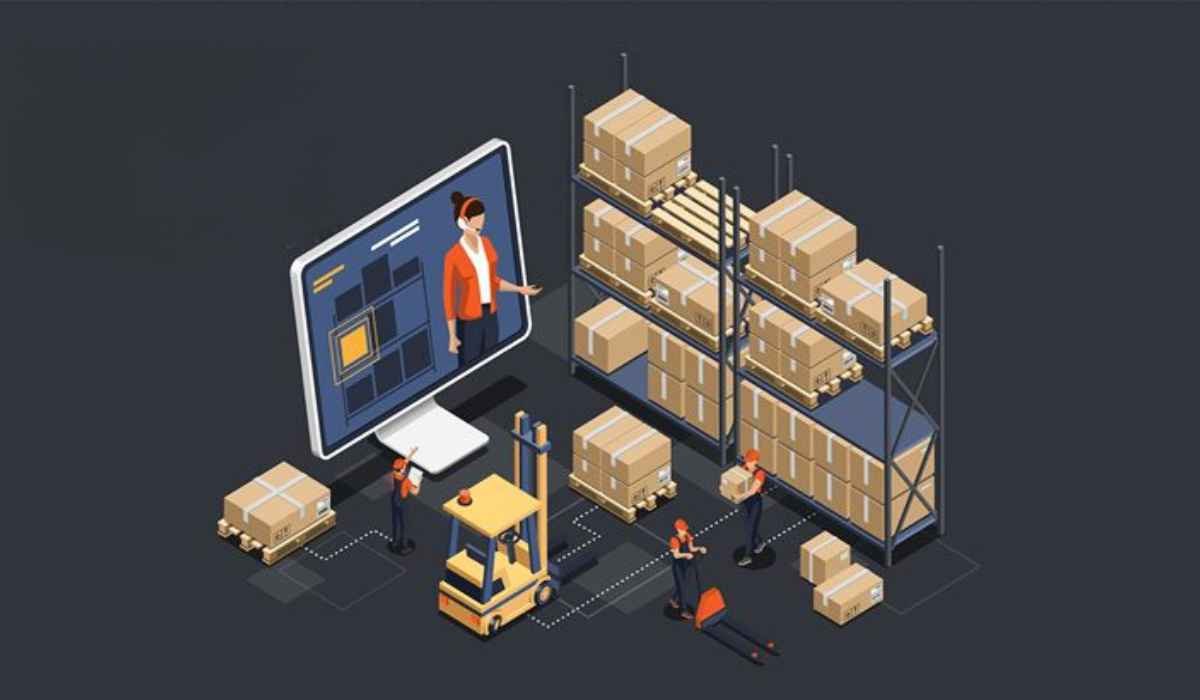
How to source liquidation products locally starts with knowing where excess, returned, overstocked, and discontinued inventory ends up in your area. Local liquidation can give resellers access to lower-cost merchandise without the long shipping times and extra logistics involved in buying from distant suppliers.
Liquidation products can include clothing, electronics, home goods, tools, furniture, toys, appliances, seasonal items, and many other categories. The condition can vary widely, so successful sourcing depends on knowing what to inspect, how to price an offer, and which local sellers are worth building relationships with.
For beginners, buying locally also offers one major advantage: you can often inspect the merchandise before paying.
What Are Liquidation Products?
Liquidation products are goods that a business wants to move quickly, often because the inventory is excess, returned, discontinued, damaged, seasonal, or no longer needed.
Common sources include:
- Retail store returns
- Overstock inventory
- Store closures
- Warehouse clearance
- Discontinued products
- Customer returns
- Shelf-pull merchandise
- Business inventory liquidation
- Seasonal stock
- Packaging-damaged products
The condition can range from brand new to heavily used.
That makes inspection especially important. Two pallets with the same product description can have very different resale values depending on their condition and contents.
How to Source Liquidation Products Locally
The best way to start how to source liquidation products locally is to identify businesses that regularly need to clear inventory.
Start by searching your local area for:
- Liquidation warehouses
- Wholesale outlets
- Surplus stores
- Closeout retailers
- Auction houses
- Business liquidation companies
- Local distributors
- Store-closing sales
- Warehouse clearance events
- Flea-market wholesalers
Search engines and local business directories can help you find these businesses. Social media groups and local reseller communities can also reveal smaller sellers who do not maintain large websites.
Once you find a potential source, ask whether they sell by the individual item, box, case, pallet, or truckload.
Visit Local Liquidation Warehouses
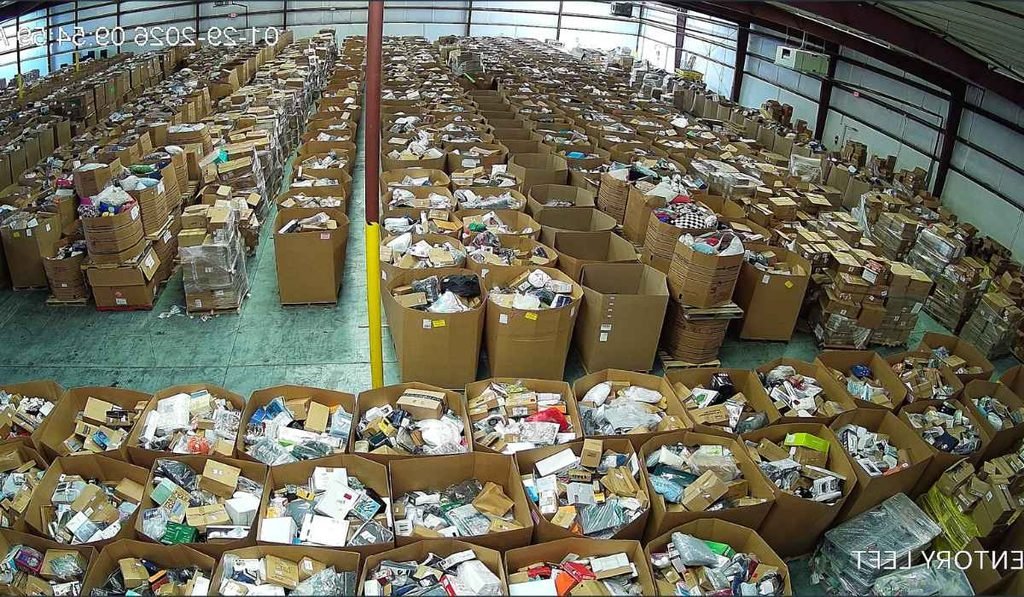
A liquidation warehouse can be one of the most useful places for a reseller to inspect inventory before buying.
Some warehouses organize products by category or condition, while others sell mixed lots. Ask whether you are allowed to inspect the merchandise before making a purchase.
Look closely at:
- Product condition
- Missing parts
- Packaging damage
- Expiration dates
- Model numbers
- Serial numbers where applicable
- Quantity in the lot
- Brand authenticity
- Signs of water or smoke damage
- Visible wear
Do not assume every item in a liquidation lot is ready to sell.
A mixed box may contain several valuable products along with items that are difficult to resell.
Check Local Business Auctions
Business auctions can be another source of liquidation inventory. When retailers, offices, warehouses, or other businesses close or reduce operations, their remaining assets may be sold through auctions.
Depending on the auction, you may find:
- Furniture
- Tools
- Electronics
- Shelving
- Office equipment
- Restaurant equipment
- Retail fixtures
- General merchandise
Before bidding, carefully read the terms. Some auctions charge buyer premiums, removal fees, taxes, or other costs.
Also check the pickup deadline. A cheap lot is not necessarily a good deal if you cannot transport it within the required time.
Find Store-Closing and Clearance Opportunities
Local stores sometimes need to move inventory quickly because of relocation, remodeling, seasonal changes, or closure.
These situations can create opportunities for resellers.
Watch local advertisements, community groups, business announcements, and clearance events. You can also introduce yourself to independent retailers and ask whether they have old stock they want to clear.
A simple relationship can become valuable over time.
For example, a store owner might contact you before publicly advertising discontinued products because they know you are willing to purchase inventory in bulk.
Build Relationships With Local Retailers
Learning how to source liquidation products locally is not only about finding random deals. Building relationships can create a steady supply of inventory.
Visit independent stores and introduce yourself professionally. Explain that you purchase excess or discontinued inventory for resale.
Ask questions such as:
- Do you have older inventory you need to clear?
- Do you regularly receive customer returns?
- Do you have discontinued products?
- Do you sell excess inventory in bulk?
- Who handles your clearance merchandise?
- Can I contact you when you have stock available?
Not every retailer will be interested, but a few good contacts can become regular suppliers.
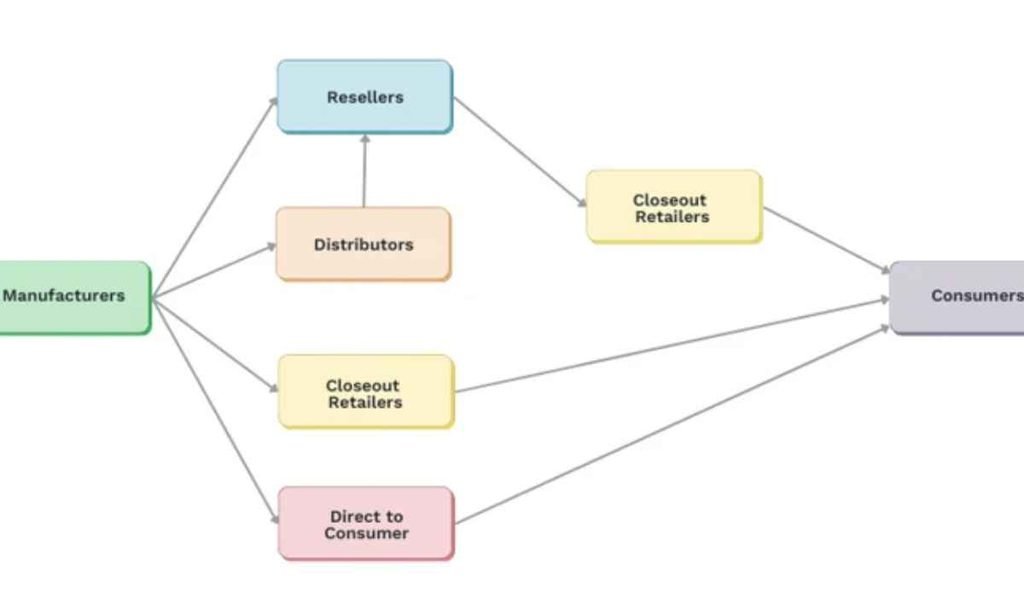
Compare Local Liquidation Sources
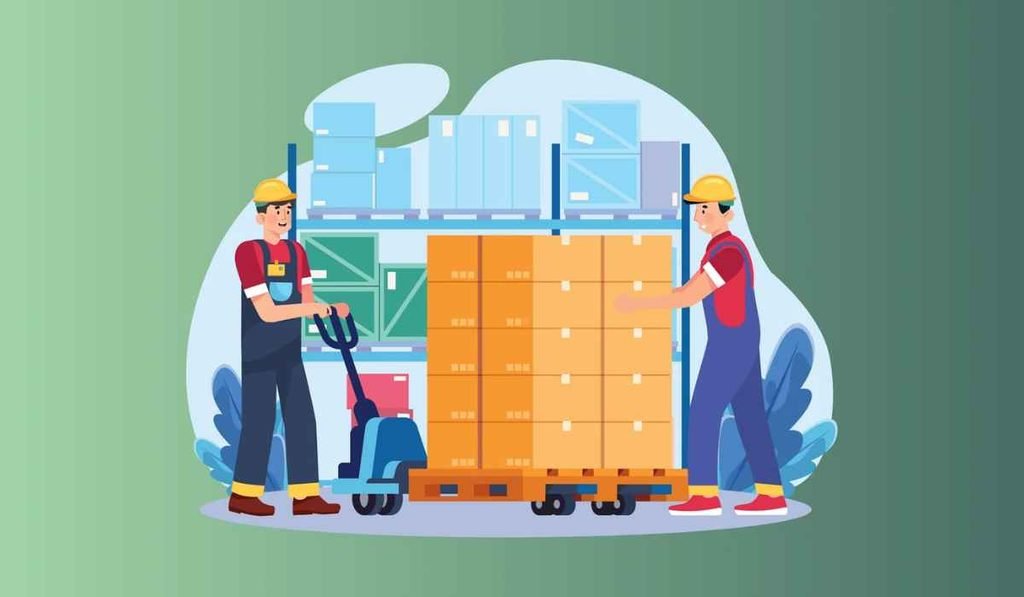
Not every source works equally well for every reseller.
| Local Source | Typical Inventory | Main Advantage | Main Risk |
| Liquidation warehouse | Mixed goods, returns, overstock | Large selection | Variable condition |
| Store clearance | New merchandise | Easier inspection | Smaller quantities |
| Business auction | Equipment and merchandise | Potentially low prices | Extra fees and bidding |
| Closing retailer | Store inventory | Bulk opportunities | Limited availability |
| Local wholesaler | New goods | Consistent supply | Higher prices |
| Surplus store | Mixed products | Easy access | Competition |
| Local distributor | New or excess stock | Better consistency | May require larger orders |
The right option depends on your budget, product category, storage space, and selling channel.
Inspect Liquidation Inventory Before Buying
One of the most important parts of how to source liquidation products locally is learning how to inspect a lot properly.
If possible, divide the merchandise into three groups:
Ready to Sell
These items are new, complete, clean, and suitable for immediate resale.
Needs Minor Work
These products may need cleaning, repackaging, testing, or replacement accessories.
High-Risk Items
These include damaged, incomplete, heavily used, or difficult-to-test products.
Your offer should reflect the entire lot, not just its best items.
A pallet may look valuable because it contains several recognizable brands, but missing accessories or damaged products can quickly reduce its actual resale value.
Calculate the True Cost Before Buying
A low purchase price does not automatically mean high profit.
Calculate:
Purchase cost + transportation + buyer fees + repairs + cleaning + packaging = total inventory cost
Then estimate the realistic resale value.
For example:
| Cost | Example |
| Liquidation lot | $500 |
| Local transportation | $75 |
| Cleaning and supplies | $25 |
| Replacement parts | $50 |
| Packaging | $30 |
| Total cost | $680 |
| Expected sales revenue | $1,100 |
| Estimated gross profit | $420 |
The $500 purchase price is not your true investment. Your actual cost is closer to $680.
This calculation helps prevent overpaying for inventory that looks cheap at first.
Start Small When Testing a New Supplier
New suppliers should be tested before you commit a large amount of money.
If a seller offers a $2,000 mixed pallet, consider starting with a smaller lot if possible.
A small purchase helps you evaluate:
- Product quality
- Accuracy of inventory descriptions
- Supplier honesty
- Condition consistency
- Pickup process
- Actual resale value
- Hidden costs
If the first transaction goes well, you can increase your purchase size gradually.
Choose Liquidation Categories Carefully
Some categories can be easier for beginners because products are simple to inspect and store.
Potential categories include:
- Home organization products
- Basic household goods
- Clothing
- Small tools
- Office supplies
- Toys
- Fitness accessories
- Kitchen items
- Furniture
- Non-fragile seasonal goods
Other categories may require more expertise.
Electronics, appliances, cosmetics, and specialized equipment can have higher testing requirements. Some products may also have warranty, safety, expiration, or regulatory considerations.
Choose products you understand before investing heavily.
Ask the Right Questions Before Buying
When speaking with a liquidation seller, do not be afraid to ask detailed questions.
Find out:
- Why is the inventory being liquidated?
- What condition are the products in?
- Are the items customer returns or overstock?
- Can you inspect the lot?
- Is there an inventory manifest?
- Are quantities guaranteed?
- Are damaged products included?
- Are any products missing parts?
- What payment methods are accepted?
- Can you return defective or misrepresented merchandise?
The answers can help you determine whether the deal is worth pursuing.
Watch for Liquidation Scams
Local sourcing reduces some risks, but it does not eliminate them.
Be cautious when a seller:
- Refuses reasonable inspection
- Demands unusual payment methods
- Provides vague business information
- Uses pressure to force an immediate purchase
- Makes unrealistic profit claims
- Cannot explain where the inventory came from
- Refuses to provide basic purchase documentation
If the deal sounds too good to be true, slow down and investigate.
A legitimate seller should generally be comfortable explaining the inventory and transaction terms.
How to Source Liquidation Products Locally on a Budget
You do not need thousands of dollars to start.
If your budget is limited, focus on smaller opportunities such as:
- Individual clearance lots
- Small boxes
- Local store returns
- Flea-market wholesale deals
- Small business closures
- Local surplus shops
- End-of-season clearance
- Individual product bundles
Buying smaller quantities also reduces storage problems.
For beginners, protecting cash flow is often more important than buying the biggest possible lot.
Keep Track of Every Purchase
Once you start sourcing regularly, create a simple inventory record.
Record:
- Date purchased
- Supplier
- Product category
- Number of units
- Purchase price
- Transportation cost
- Repair or cleaning cost
- Selling price
- Date sold
- Final profit
This information tells you which suppliers and categories are actually worth your time.
You may discover that a supplier offering cheap electronics creates too many defective items, while a slightly more expensive clothing supplier produces much better returns.
Real sales data should guide your next purchase.
Turn Local Sourcing Into a Regular System
The real benefit of how to source liquidation products locally is consistency.
Instead of searching randomly whenever you need inventory, create a simple weekly routine.
For example:
- Check local liquidation warehouses.
- Contact two or three retailer connections.
- Review local auction listings.
- Check store-closing announcements.
- Visit promising clearance locations.
- Compare available lots.
- Calculate the complete cost.
- Buy only when the expected numbers make sense.
Over time, suppliers may begin contacting you when they have inventory available.
That can turn occasional bargain hunting into a more dependable sourcing system.
FAQs
- What is the best way to source liquidation products locally?
- Local liquidation warehouses, store closings, auctions, wholesalers, and retailer relationships are common starting points.
- Can I inspect liquidation products before buying them?
- Many local sellers allow inspection, but you should confirm their inspection policy before visiting or paying.
- How much money do I need to start sourcing liquidation products locally?
- You can start with a small budget by purchasing individual lots, clearance merchandise, or small quantities instead of full pallets.
- Are liquidation products always profitable to resell?
- No, profitability depends on product condition, total acquisition costs, market demand, competition, and the final selling price.
- How can I avoid bad liquidation inventory?
- Inspect products carefully, ask about their source and condition, calculate all additional costs, and test new suppliers with small purchases.
The smartest approach to how to source liquidation products locally is to treat every purchase as a business decision rather than a bargain hunt. Inspect the merchandise, calculate the complete cost, start small, and build relationships with reliable local sellers. A modest deal from a trustworthy supplier can be far more valuable than a huge pallet filled with products you cannot sell.