
 admin
admin
Most adults need at least 7 hours of sleep per night, although the ideal amount varies with age, health, lifestyle, and individual needs. Sleep is not simply time spent with your eyes closed. During sleep, the body supports memory, mood, immune function, heart health, and physical recovery.
If you regularly wake up tired, struggle to stay alert during the day, or rely heavily on caffeine to function, your body may be telling you that your current sleep schedule is not enough. The question is not only how much sleep do adults need per night, but also whether that sleep is consistent and restorative.
How much sleep do adults need per night by age?
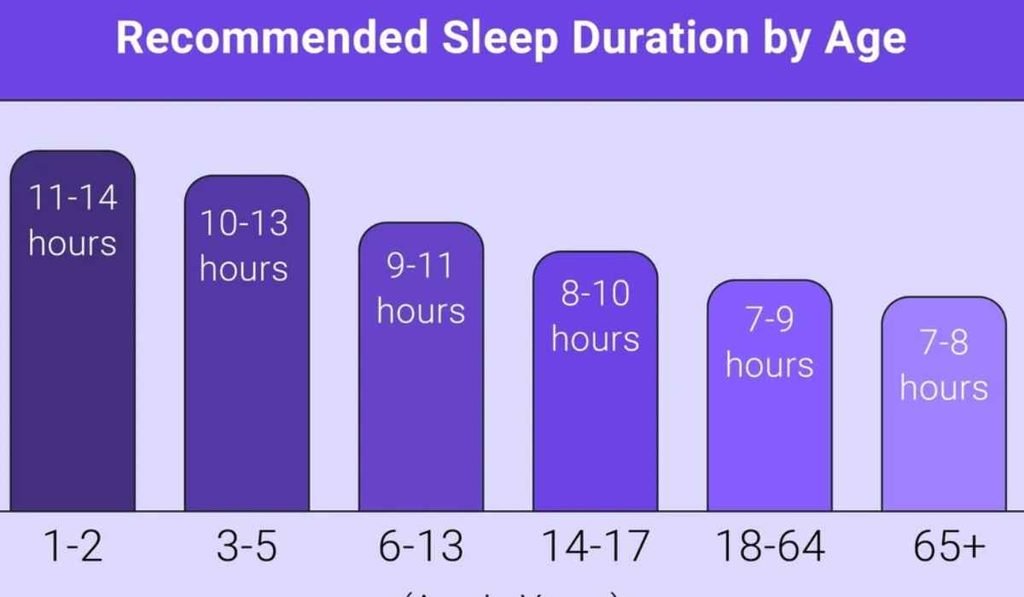
Sleep needs change as people get older. The Centers for Disease Control and Prevention (CDC) currently recommends at least 7 hours for adults ages 18 to 60. Adults ages 61 to 64 generally need 7 to 9 hours, while adults 65 and older generally need 7 to 8 hours.
Here is a quick look:
| Age group | Recommended sleep |
| 18–60 years | 7 or more hours |
| 61–64 years | 7–9 hours |
| 65+ years | 7–8 hours |
| Most healthy adults | At least 7 hours |
These numbers are guidelines rather than a strict rule. One person may feel refreshed after about seven hours, while another may function better with eight or nine.
The American Academy of Sleep Medicine and Sleep Research Society recommend that healthy adults regularly get 7 or more hours of sleep to support optimal health.
Why adults need enough sleep
Sleep affects much more than energy. While you sleep, your body and brain carry out important processes that help you function the next day.
Good sleep can support:
- Memory and learning
- Attention and concentration
- Emotional balance
- Immune function
- Physical recovery
- Heart health
- Healthy metabolism
- Daytime alertness
- Safer driving and decision-making
When sleep is consistently cut short, these benefits can suffer. The CDC links insufficient sleep with health problems including heart disease, high blood pressure, obesity, diabetes, and depression.
That is why the question how much sleep do adults need per night matters beyond simply feeling tired the next morning.
Is 7 hours of sleep enough?
For many adults, seven hours meets the minimum recommended amount. But “enough” is personal.
If you sleep seven hours and regularly wake feeling rested, remain alert during the day, and do not struggle to stay awake, that may be appropriate for you.
Someone else might need eight or even nine hours to feel equally rested.
The AASM notes that individual sleep needs can vary. Factors such as genetics, behavior, medical conditions, and environmental circumstances can influence how much sleep a person needs.
So, seven hours should not be viewed as a magic number that every adult must hit exactly.
What happens if you regularly sleep less than 7 hours?
Occasionally getting a short night of sleep is different from consistently sleeping too little.
A busy day, late night, travel, or an occasional poor night’s sleep usually does not mean something is seriously wrong. The bigger concern is chronic sleep restriction.
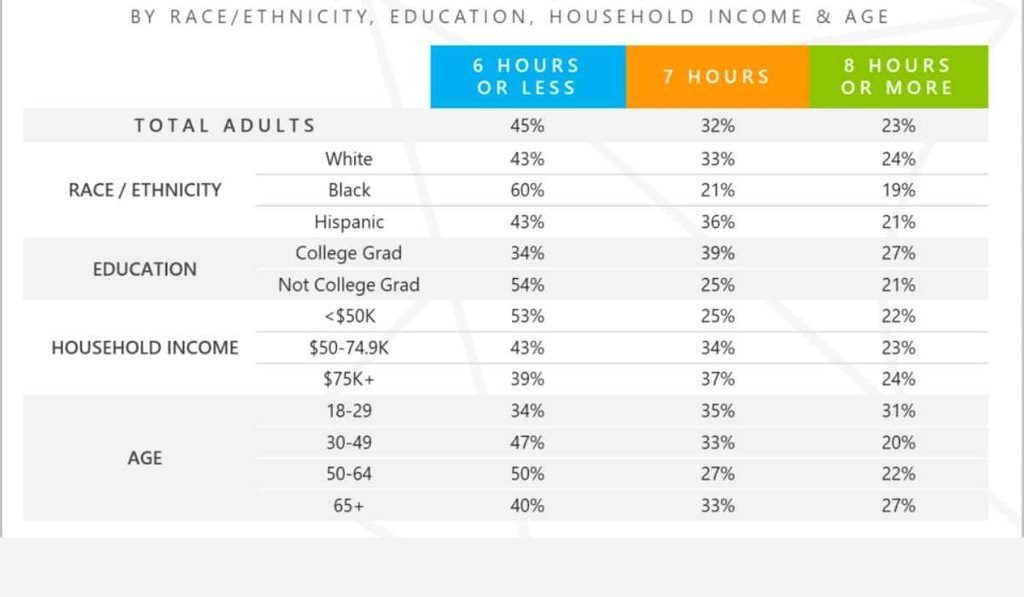
The CDC’s National Center for Health Statistics reported in April 2026 that 30.5% of U.S. adults slept less than 7 hours on average in 2024. The percentage was highest among adults ages 50 to 64, at 34.5%.
Regularly getting too little sleep may contribute to:
- Daytime fatigue
- Poor concentration
- Slower reaction time
- Mood changes
- Memory problems
- Reduced work performance
- Greater risk of accidents
- Higher risk of certain chronic health problems
The effects can build gradually, which makes chronic sleep loss easy to underestimate.
Can you sleep too much?
Yes, but the situation is more complicated than simply saying that more sleep is unhealthy.
The AASM consensus statement says sleeping more than nine hours regularly may be appropriate for some young adults, people recovering from sleep loss, or people who are ill. It also says the evidence is not clear enough to determine whether regularly sleeping more than nine hours is harmful for everyone else.
If you suddenly start sleeping much longer than usual and still feel exhausted, the issue may not be the amount of time you spend in bed.
Poor sleep quality, an irregular schedule, medications, stress, or an underlying sleep disorder can all affect how rested you feel.
Sleep quantity vs. sleep quality

Knowing how much sleep do adults need per night is useful, but the number of hours is only one part of healthy sleep.
You can spend eight hours in bed and still wake up exhausted if your sleep is repeatedly interrupted.
Signs that your sleep quality may be poor include:
- Waking several times during the night
- Taking a long time to fall asleep
- Waking too early and being unable to return to sleep
- Feeling unrefreshed after enough time in bed
- Snoring loudly
- Waking up gasping or choking
- Feeling extremely sleepy during the day
Frequent problems with falling or staying asleep deserve attention, especially when they continue over time.
How to get better sleep every night
Getting enough sleep often starts with your daily routine rather than what you do five minutes before bed.
1. Keep a consistent sleep schedule
Try to go to bed and wake up around the same time every day, including weekends. A regular schedule helps your body maintain a stable sleep-wake rhythm. The CDC recommends keeping consistent bed and wake times as part of healthy sleep habits.
2. Give yourself enough time in bed
Do not plan your schedule around the minimum amount of sleep you can survive on.
If you need eight hours of sleep and have to wake at 6 a.m., going to bed at midnight does not leave enough time for normal sleep interruptions.
Build your schedule around the amount of sleep you actually need.
3. Get natural light during the day
Exposure to natural light, particularly earlier in the day, can help support your body’s sleep-wake rhythm. The CDC recommends getting natural light and staying physically active during the day.
A morning walk can combine both habits.
4. Make your bedroom sleep-friendly
A bedroom that is cool, dark, and quiet can make it easier to sleep. Keep distractions low and use your bed mainly for sleep when possible.
5. Watch caffeine and alcohol
Caffeine can remain active in the body for hours, so having coffee, energy drinks, or other caffeinated beverages late in the day may interfere with sleep.
Alcohol can also disrupt normal sleep even if it initially makes you feel sleepy.
6. Exercise regularly
Regular physical activity can support better sleep. Try to finish intense exercise several hours before bedtime if exercising close to bedtime makes it harder for you to fall asleep.
7. Reduce bright light before bed
Bright artificial light from phones, tablets, computers, and other devices can make winding down harder for some people. Give yourself a period of quieter, lower-light activities before bedtime.
How much sleep do adults need per night if they exercise?

People who exercise regularly do not automatically need a specific extra number of hours, but physical training can increase the importance of getting adequate sleep.
Sleep supports physical recovery and daytime performance. Someone training hard, working a physically demanding job, or recovering from illness may find that more sleep helps them feel better.
Instead of adding an arbitrary number of hours, pay attention to signs such as persistent fatigue, reduced performance, poor concentration, and increased sleepiness.
What if you cannot get 7 hours every night?
Life does not always make a perfect sleep schedule possible.
If you occasionally get less sleep, focus on returning to your normal schedule rather than panicking about one bad night. Avoid making short sleep a routine.
If work, caregiving, shift schedules, or another ongoing situation repeatedly prevents you from getting enough rest, look for practical changes that can protect your sleep window.
It may help to:
- Set a fixed wake-up time.
- Move bedtime earlier gradually.
- Reduce unnecessary late-night activities.
- Keep the bedroom quiet and dark.
- Avoid caffeine late in the day.
- Talk with a healthcare professional if persistent sleep problems continue.
When should you talk to a doctor about sleep?
Not every bad night requires medical care. However, ongoing problems should not be ignored.
Consider speaking with a healthcare professional if you regularly:
- Cannot fall asleep or stay asleep
- Feel extremely sleepy during the day
- Snore loudly
- Wake up choking or gasping
- Have persistent morning headaches
- Sleep enough hours but never feel rested
- Fall asleep unintentionally during normal activities
These symptoms can sometimes point to a sleep disorder or another health problem that needs attention.
FAQs
- How much sleep do adults need per night?
- Most adults need at least 7 hours of sleep per night, while individual needs can vary.
- Is 6 hours of sleep enough for an adult?
- Six hours is below the recommended minimum for most adults and should not be considered an adequate regular sleep schedule.
- Is 8 hours of sleep good for adults?
- Yes, eight hours falls within a healthy amount of sleep for many adults.
- Do older adults need less sleep?
- Adults 65 and older generally need 7 to 8 hours per night, while adults ages 61 to 64 generally need 7 to 9 hours.
- Why am I tired after sleeping 8 hours?
- Feeling tired despite adequate time in bed can be related to poor sleep quality, an irregular schedule, medications, stress, or a sleep disorder.
Getting enough sleep is less about chasing a perfect number and more about giving your body enough regular, quality rest to function well. For most adults, 7 or more hours is the right place to start, but your own energy, alertness, sleep quality, and health can help show whether your routine is working.







[…] how can I sleep better without medication? The answer usually starts with simple changes rather than one special sleep trick. Your body […]