
 admin
admin
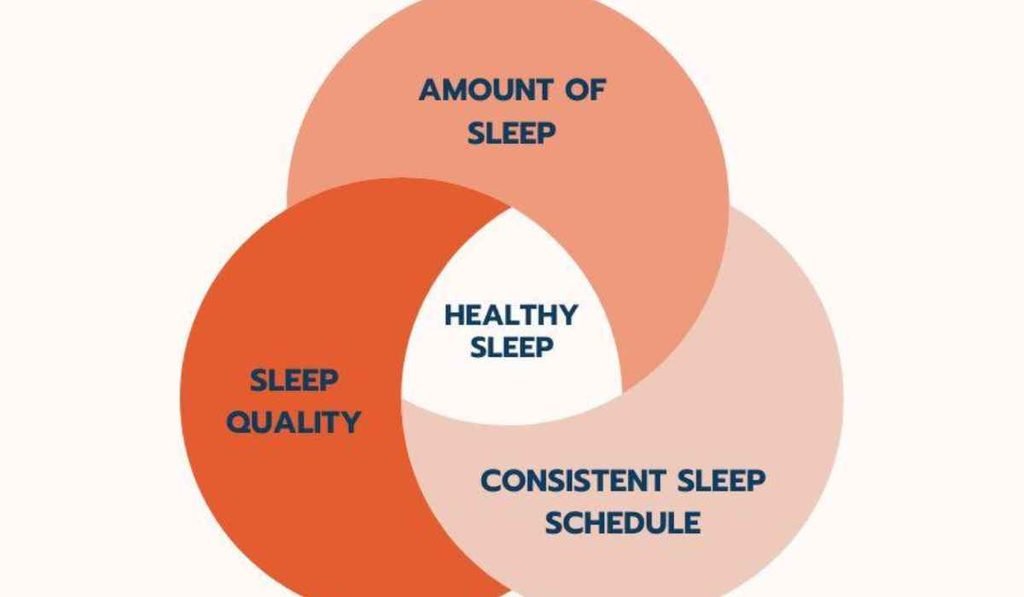
A consistent sleep schedule starts with keeping your wake-up time steady, getting enough daylight during the day, and giving yourself enough time for 7 or more hours of sleep each night. If your bedtime keeps shifting, you stay awake for hours, or you wake up feeling tired, small changes to your daily routine can help reset your body clock.
Many people try to fix poor sleep by simply going to bed earlier. That can work, but it is often not enough. Your sleep timing is influenced by light exposure, activity, caffeine, meals, stress, screen use, and your regular wake-up time.
The good news is that you do not need to change everything at once.
How can I improve my sleep schedule naturally?
If you are wondering How can I improve my sleep schedule, start with your morning rather than your bedtime.
Your body’s internal clock, known as the circadian rhythm, responds strongly to light and darkness. Getting natural light during the day can help keep this rhythm aligned with your daily routine.
Try these basic habits:
- Wake up at the same time each day.
- Get outside for natural light in the morning.
- Stay physically active during the day.
- Avoid long or late naps.
- Keep caffeine earlier in the day.
- Dim bright lights before bedtime.
- Give yourself a quiet period before sleep.
- Keep your bedroom cool, dark, and comfortable.
You do not have to make all these changes overnight. Pick two or three and make them consistent first.
Why your wake-up time matters so much
One of the easiest ways to reset an irregular sleep pattern is to choose a fixed wake-up time.
For example, if you normally wake anywhere between 7 a.m. and 10 a.m., choose one time, such as 8 a.m., and stick with it as closely as possible.
A consistent wake-up time gives your body a reliable daily signal. It can also make it easier to feel sleepy at an appropriate time later in the evening.
Try not to completely change your schedule on weekends. Sleeping several extra hours on Saturday and Sunday can make Monday morning harder.
If your schedule is badly delayed, you may need to shift it gradually rather than forcing a dramatic change in one night.
How much sleep should you aim for?
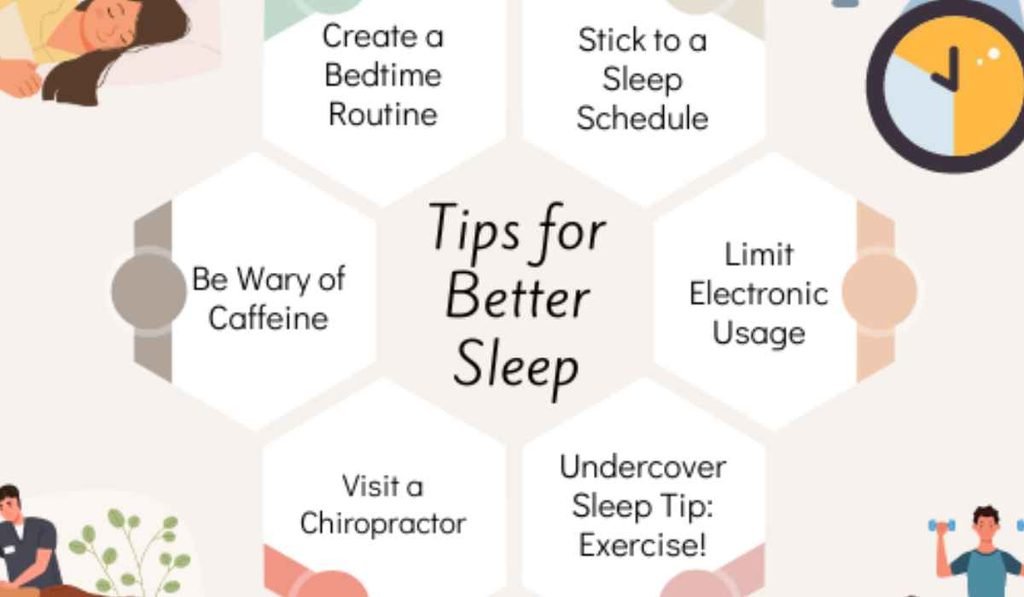
Before changing your bedtime, decide how much sleep you actually need.
Most adults should regularly get at least 7 hours of sleep. Many people feel best with around 7 to 9 hours, although individual needs vary.
| Sleep habit | Practical target |
| Wake-up time | Keep it consistent |
| Adult sleep duration | At least 7 hours |
| Morning light | Get natural daylight |
| Naps | Keep them short and earlier |
| Caffeine | Avoid it later in the day |
| Bedroom | Cool, dark and quiet |
| Pre-bed routine | Calm and consistent |
If you need to wake at 6:30 a.m. and want 8 hours of sleep, your schedule needs to allow enough time for sleep before that alarm.
Do not treat bedtime as the only important part. Your entire 24-hour routine affects sleep.
How can I improve my sleep schedule if I stay up late?
If you regularly fall asleep at 2 or 3 a.m., suddenly trying to sleep at 9 p.m. may leave you lying awake and frustrated.
A gradual adjustment is often easier.
Move your bedtime earlier by about 15 to 30 minutes every few nights while keeping your wake-up time consistent. As your body adjusts, continue moving the schedule toward your desired bedtime.
For example:
- Current bedtime: 2:00 a.m.
- First adjustment: 1:30 a.m.
- Next adjustment: 1:00 a.m.
- Then: 12:30 a.m.
- Continue until you reach your target.
The exact pace does not have to be perfect. The important part is consistency.
If you cannot fall asleep at your planned bedtime, avoid spending hours frustrated in bed. Get up and do something quiet in dim light, then return to bed when you feel sleepy.
Use morning light to reset your body clock
Light is one of the strongest signals that helps regulate your sleep-wake cycle.
Morning daylight tells your brain that the day has started. This can help your body prepare for sleep later.
Try:
- Opening curtains soon after waking.
- Eating breakfast near a bright window.
- Taking a short morning walk.
- Spending time outdoors during daylight.
Natural outdoor light is generally much brighter than indoor lighting, even on a cloudy day.
At night, the goal changes. Lower the brightness around you as bedtime approaches. A dark bedroom can also make it easier to stay asleep.
Limit caffeine later in the day
Coffee may feel like a harmless afternoon habit, but caffeine can interfere with sleep even when you do not feel especially stimulated by it.
Coffee is not the only source. Caffeine can also be found in:
- Tea
- Energy drinks
- Cola
- Chocolate
- Some medications and supplements
If you have trouble falling asleep, consider moving your last caffeinated drink earlier in the day.
You do not necessarily have to give up coffee completely. The timing may matter more than the habit itself.
Be careful with naps

Naps can be useful when you are tired, but long or late naps may make it harder to sleep at night.
If you need a nap, consider keeping it relatively short and taking it earlier in the afternoon.
A long nap late in the day can reduce your natural sleepiness at bedtime.
If you work night shifts, your situation is different. Shift workers may need a carefully planned sleep schedule that fits their working hours.
Create a simple bedtime routine
A predictable wind-down routine can tell your brain that sleep is approaching.
You could spend the final 30 to 60 minutes before bed doing quiet activities such as:
- Taking a warm shower
- Reading a book
- Stretching gently
- Listening to calm music
- Preparing clothes for the next day
- Writing down tasks you need to remember
The goal is not to create a complicated ritual. It is to reduce stimulation and give yourself time to slow down.
What should you avoid before bedtime?

Some habits can make it harder to fall asleep or stay asleep.
Try to limit:
- Heavy meals immediately before bed
- Large amounts of caffeine late in the day
- Alcohol close to bedtime
- Intense exercise if it keeps you alert
- Bright lights
- Stressful work
- Scrolling through stimulating content for long periods
Screens are not automatically harmful for everyone. The bigger issue can be what you are doing on them and how late you stay engaged.
If your phone keeps you awake, charge it away from the bed or use a separate alarm clock.
Make your bedroom better for sleep
Your sleeping environment can have a surprisingly large effect on rest.
Aim for a bedroom that is:
- Dark
- Quiet
- Comfortable
- Cool enough for you
- Free from unnecessary distractions
If outside noise is a problem, earplugs or steady background sound may help some people.
If light enters through windows, blackout curtains or an eye mask can be useful.
Your mattress and pillow also matter. They do not need to be expensive, but they should provide comfortable support.
How can I improve my sleep schedule when stress keeps me awake?
Stress can make bedtime feel like the moment when your brain suddenly becomes busy.
If you lie down and immediately start thinking about work, money, tomorrow’s tasks, or personal problems, try moving some of that thinking earlier.
Before bed, write down:
- What is worrying you
- What needs to be done tomorrow
- The first step you will take
- Anything you do not want to forget
This can help separate planning time from sleeping time.
Relaxation techniques, slow breathing, light stretching, or reading can also help you transition into a quieter state.
If anxiety or persistent stress is seriously affecting your sleep, talking with a qualified healthcare professional may be helpful.
Exercise during the day
Regular physical activity can support healthy sleep.
You do not need an intense workout. Walking, cycling, swimming, strength training, or another activity you enjoy can help you stay active during the day.
Try to avoid scheduling very intense exercise close to bedtime if you notice that it makes you feel more alert.
The key is regular movement rather than one huge workout once in a while.
How long does it take to fix a sleep schedule?
There is no exact number of days that works for everyone.
A slightly irregular schedule may improve within several days when you become consistent. A schedule that has been delayed for months may take longer.
The biggest mistake is changing the plan every night.
Give your routine time to settle. Keep your wake-up time stable, get daylight during the day, and avoid habits that repeatedly push bedtime later.
Progress may look uneven. One good night followed by one poor night does not mean the entire effort has failed.
How can I improve my sleep schedule without medication?
Many people can improve their sleep habits without relying on medication.
Start with the basics:
- Pick a consistent wake-up time.
- Make sure your schedule allows at least 7 hours of sleep.
- Get daylight early in the day.
- Stay active.
- Keep naps short and earlier.
- Reduce caffeine later in the day.
- Create a relaxing pre-bed routine.
- Keep your bedroom dark, quiet, and comfortable.
- Avoid using your bed for long periods while fully awake.
- Repeat the routine every day.
If you continue having serious sleep problems despite making these changes, speak with a healthcare professional instead of repeatedly experimenting on your own.
When should you seek help for sleep problems?
Occasional trouble sleeping is common. Persistent problems are different.
Talk with a healthcare professional if you regularly:
- Have trouble falling or staying asleep
- Wake up repeatedly during the night
- Feel extremely sleepy during the day
- Snore loudly
- Wake up gasping or choking
- Sleep enough but still feel exhausted
- Fall asleep unintentionally during normal activities
These symptoms can sometimes be associated with sleep disorders, including sleep apnea or chronic insomnia.
A professional can help identify whether an underlying problem is affecting your sleep and recommend appropriate treatment.
FAQs
- How can I improve my sleep schedule quickly?
- Keep the same wake-up time every day, get morning daylight, and gradually adjust bedtime instead of making a large sudden change.
- How can I improve my sleep schedule if I sleep during the day?
- Limit long daytime naps, maintain a regular wake time, and use daylight and activity during your preferred daytime hours.
- How can I improve my sleep schedule naturally?
- Consistent sleep times, morning light, regular exercise, reduced late caffeine, and a relaxing bedtime routine can support a healthier sleep pattern.
- How can I improve my sleep schedule after staying up all night?
- Return to a regular wake-up time and avoid turning one sleepless night into several days of sleeping at unusual hours.
- How can I improve my sleep schedule if I cannot fall asleep?
- Keep a consistent routine and, if you remain awake and frustrated, leave the bed for a quiet activity until you feel sleepy again.
A better sleep schedule usually comes from boring habits done consistently, not from one perfect trick. Give your body a steady wake-up time, enough hours for sleep, plenty of daytime light, and a calmer evening routine, and your sleep pattern has a much better chance of falling back into place.










[…] what to eat after workout for muscle recovery depends on the type of exercise you did, how hard you trained, how long the session lasted, and […]