
 admin
admin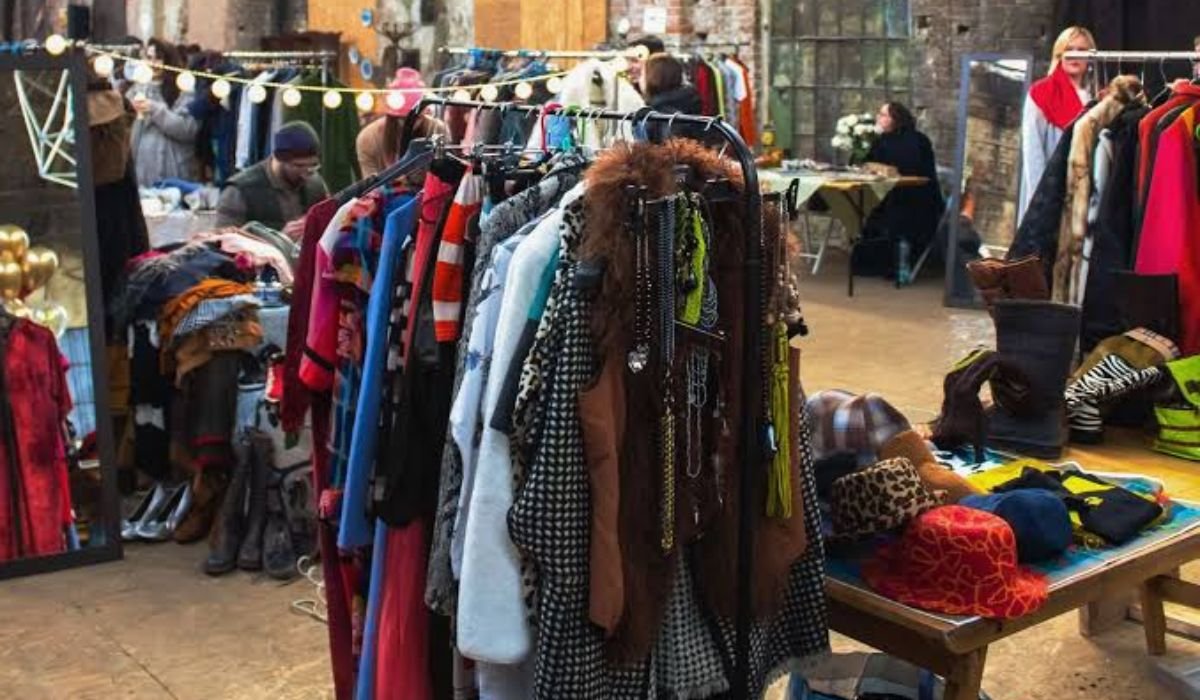
How to resell thrifted clothes online starts with one simple idea: buy clothing cheaply, improve its presentation, and sell it for more than your total cost. In 2026, platforms such as Depop, Poshmark, and eBay make it possible to turn thrift-store finds into a small side business without renting a physical shop.
The real skill is not simply finding cheap clothes. You need to know what to buy, how much to pay, where to sell it, and how to create listings that make people want to click Buy.
Why Thrifted Clothes Can Be Profitable
Thrift stores are full of clothing that still has value. A shopper may overlook a vintage jacket priced at $8 because it looks ordinary on a crowded rack. A reseller who recognizes the brand, style, fabric, and condition could potentially sell it online for several times the purchase price.
The best opportunities often come from:
- Vintage clothing
- Popular denim
- Workwear
- Sportswear
- Designer pieces
- Y2K fashion
- Leather jackets
- Quality wool coats
- Sneakers and boots
- Rare or discontinued styles
The goal is not to buy the most items. It is to buy items with enough potential profit to justify your time.
Step 1: Learn What Sells Before You Go Thrifting

One of the biggest beginner mistakes is buying something simply because you like it.
Instead, research completed or sold listings on resale platforms. Look at what buyers actually paid rather than relying only on asking prices.
Search for:
- Brand name
- Exact model or product name
- Vintage era
- Material
- Size
- Condition
- Color
- Similar styles
For example, finding a branded wool sweater for $6 sounds good. But if comparable pieces regularly sell for only $12, the profit may disappear after platform fees, cleaning, packaging, and your time.
A better find might be a $10 vintage jacket that consistently sells for $50.
Create a Simple Buying Rule
Before buying an item, estimate:
Expected sale price − purchase cost − fees − cleaning/repair − shipping costs = estimated profit
You do not need to predict the exact selling price. A realistic range is enough.
For beginners, targeting items that could sell for at least two to three times the total acquisition cost can give you more room for unexpected expenses.
Step 2: Pick the Right Thrifted Clothes
Not every cheap garment is worth reselling.
Check the clothing carefully before you pay.
Look for:
- Stains around collars, cuffs, and underarms
- Holes and tears
- Broken zippers
- Missing buttons
- Strong odors
- Fading
- Stretching
- Fabric damage
- Fake or suspicious brand labels
- Missing size or care information
Pay close attention to labels. Brand, fabric composition, country of origin, and manufacturing details can help you identify valuable pieces.
Vintage clothing can be especially interesting because older styles may have distinctive tags, construction, fabrics, and cuts.
However, do not assume that every old garment is valuable. Demand matters more than age alone.
Step 3: Clean and Prepare Your Finds
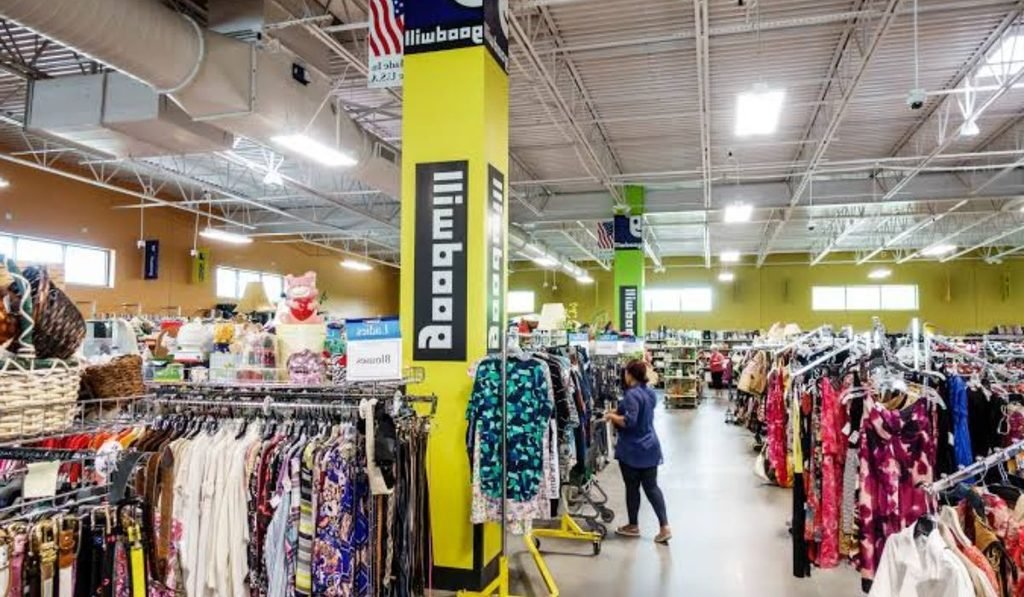
A thrifted item should not usually go straight from the store into a shipping package.
Wash or clean it according to the garment’s care instructions. Steam wrinkles, remove lint, and repair minor problems when doing so makes financial sense.
Do not spend $20 repairing a garment you expect to sell for $25.
For U.S. sellers, federal clothing-labeling rules also matter. The FTC says most textile and wool products must provide information such as fiber content and country of origin, while its Care Labeling Rule covers care instructions for covered garments.
As a reseller, you should avoid inventing information about an item’s material, age, brand, or condition. If you are uncertain, say so clearly in the listing.
Step 4: Take Better Photos
Good photos can make an inexpensive thrift find look far more appealing.
You do not need an expensive camera. A smartphone and good natural lighting are enough for most beginners.
Take photos of:
- The full front
- The full back
- Brand label
- Size label
- Fabric or care label
- Important details
- Any flaws
- Measurements
- Unique stitching, buttons, graphics, or hardware
Use a clean background. Keep the item centered and make sure the colors look reasonably accurate.
Never hide damage.
A buyer who receives an item that looks different from the listing can request a return or leave negative feedback. Honest descriptions are better for long-term business.
Step 5: Write Listings That Answer Buyer Questions

A strong listing should tell the buyer what they need to know without making them ask five questions.
Include:
- Brand
- Item type
- Size
- Color
- Material
- Condition
- Measurements
- Style or era when reasonably known
- Flaws
- Care information
- Shipping details
Measurements are particularly useful for vintage clothing because sizing can vary dramatically between decades and brands.
Instead of writing:
Vintage jacket, good condition.
Write something closer to:
Vintage men’s wool jacket in brown with a button front and two exterior pockets. Size large on the label. Approximate measurements are 23 inches pit-to-pit and 27 inches in length. Minor wear on the cuffs is shown in the photos.
That gives the buyer useful information and reduces uncertainty.
Best Platforms for Reselling Thrifted Clothes
There is no single best platform for every reseller.
| Platform | Best For | Key Consideration |
| Depop | Vintage, Y2K, streetwear | Strong fashion-focused audience |
| Poshmark | Everyday fashion and branded clothing | Simple listing and shipping process |
| eBay | Broad range and searchable products | More detailed marketplace structure |
| Facebook Marketplace | Local sales and bulky items | Useful when avoiding shipping |
| Instagram/TikTok | Building a personal resale brand | Requires content and audience building |
Platform fees can change, so check the current seller terms before pricing your inventory.
As of 2026, Depop advertises no selling fees in the U.S., although payment processing and optional boosting fees can still apply.
Poshmark’s published U.S. guide says sales under $15 have a $2.95 fee, while sales of $15 or more are subject to a 20% fee.
eBay says most casual sellers receive free listings up to its applicable monthly allowance, while final value fees vary by category. Its current seller information lists a range of fees depending on what you sell.
Because fee structures can change, always calculate your expected payout rather than pricing from the gross sale amount.
How Much Money Can You Make Reselling Thrifted Clothes?
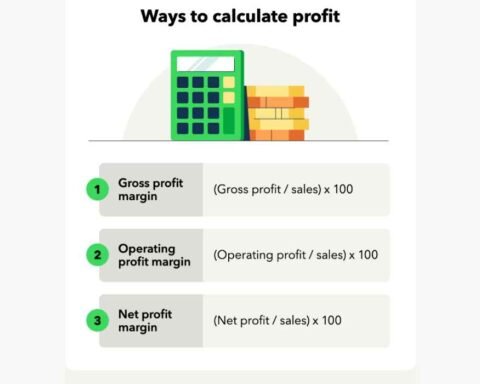
There is no fixed salary for clothing resellers. Your income depends on inventory, sourcing ability, sales volume, pricing, fees, and how efficiently you work.
Consider this simple example:
- 40 items purchased at $7 each = $280
- Average selling price = $32
- Gross sales = $1,280
- Inventory cost = $280
- Other expenses = $250
- Estimated operating profit = $750
That is an example, not a guaranteed income level.
A beginner might sell only a handful of pieces each month. Someone with established sourcing systems and hundreds of active listings can potentially generate much higher revenue.
The important number is profit per item, not total sales.
Selling 100 items for $15 each may sound impressive, but selling 50 items for $40 each can sometimes create a better business if the higher-priced inventory does not require proportionally more work.
Build a Thrift Reselling Inventory System
Once you start buying regularly, organization becomes important.
Give every item an inventory number.
For each item, record:
- Purchase date
- Store or source
- Purchase price
- Item description
- Listing date
- Listing price
- Sale price
- Platform
- Fees
- Shipping cost
- Net profit
You can manage this with a spreadsheet.
Keep sold items separate from listed inventory. Store clothing in labeled bins or garment racks so you can find an order quickly.
A simple system can save hours once your inventory grows.
How to Price Thrifted Clothes
Do not automatically copy the highest listing price you find.
Look at comparable sold prices where available. Then consider your item’s condition, size, color, brand, season, and uniqueness.
A useful pricing strategy is to leave some room for negotiation.
For example, if you believe an item should sell for around $35, listing it at $39 may give you room to accept a reasonable offer.
Avoid pricing so high that your item receives no attention.
You can also experiment with:
- Bundle discounts
- Seasonal pricing
- Limited markdowns
- Offers to interested buyers
- Multi-item promotions
Legal and Tax Basics for Online Clothing Resellers
If reselling becomes a regular money-making activity, treat it like a business rather than casual closet cleaning.
Keep receipts for inventory and business expenses. Track your sales and fees separately.
For U.S. sellers, the IRS states that income from selling goods and services is generally taxable. The federal Form 1099-K reporting threshold for third-party settlement organizations is currently more than $20,000 in payments and more than 200 transactions, although platforms can issue forms below those thresholds. The reporting threshold does not mean smaller amounts are automatically tax-free.
Your local tax and business rules may differ if you live outside the United States. If your resale activity becomes substantial, consider speaking with a qualified tax professional.
Also avoid selling counterfeit branded products. If you cannot confidently establish that an item is authentic, do not present it as genuine.
Mistakes New Clothing Resellers Should Avoid
The fastest way to lose money is to focus only on the purchase price.
Avoid these common mistakes:
- Buying too much inventory too early
- Ignoring stains or damage
- Guessing brand authenticity
- Using poor photos
- Forgetting measurements
- Underestimating platform fees
- Spending too much on repairs
- Failing to track expenses
- Holding unpopular inventory for months
- Pricing based only on what other sellers are asking
The biggest lesson is simple: a cheap item is not automatically a profitable item.
A Simple 30-Day Reselling Plan
If you are starting from zero, keep the first month manageable.
Week 1: Research brands, trends, sold prices, and resale platforms.
Week 2: Visit thrift stores and buy 10 to 20 carefully selected pieces.
Week 3: Clean, photograph, measure, and list every item.
Week 4: Review views, offers, sales, and profit. Adjust your buying strategy based on what received attention.
This gives you real data before you spend a large amount of money.
Final Thoughts
Learning how to resell thrifted clothes online is less about getting lucky at a thrift store and more about developing a repeatable system. Find items with real demand, calculate your costs, present them well, describe them honestly, and track every sale.
Start small. Your first goal should not be building a giant closet of inventory. It should be learning which clothes buyers are willing to pay for and why.
If you can consistently turn a $5 or $10 thrift-store purchase into a profitable online sale, you have the foundation for a resale business that can grow one item at a time.
FAQs
- What is the best platform for reselling thrifted clothes?
- Depop, Poshmark, and eBay are popular choices, with the best option depending on your clothing category and target buyers.
- How much should I pay for thrifted clothes to resell?
- Aim for a purchase price that leaves enough room for platform fees, shipping, cleaning, and a reasonable profit.
- Do I need to wash thrifted clothes before selling them?
- Cleaning or preparing clothing before listing generally makes the item more appealing, but always follow the garment’s care instructions.
- Is reselling thrifted clothes taxable?
- In the U.S., income from selling goods can be taxable, and the IRS says you should report income even if you do not receive a Form 1099-K.
- Can I make a full-time income reselling clothes online?
- Some established resellers generate substantial income, but results depend on sourcing, inventory, sales volume, expenses, and business efficiency.
A thrifted shirt sitting unnoticed on a rack may look like an ordinary $5 purchase, but the right reseller sees something different: a product with a buyer, a price, and a potential profit.
For business inquiries, feedback, or guest post opportunities, contact timesstock1@gmail.com.








[…] searching for suppliers, decide what makes a product worth reselling. A cheap product is not automatically a profitable […]