 admin
admin
If you are asking, how do you make a morning routine stick to it?, the answer is to make the routine simple enough that you can repeat it even when you are tired, busy, or not feeling motivated. A morning routine does not need ten steps, an early alarm, or a strict schedule.
The strongest routines are usually built around a few realistic habits.
You might wake up at a regular time, drink water, get some light, move your body, eat breakfast, and review your priorities. The exact habits matter less than whether they fit your real life.
Why Morning Routines Are Hard to Maintain
Starting a new routine can feel exciting for a few days. Then normal life gets in the way.
You may sleep badly, work late, have family responsibilities, or simply wake up without motivation. If your routine takes an hour and depends on perfect conditions, missing one morning can easily turn into several missed days.
Common reasons routines fail include:
- Trying to change too many habits at once
- Waking up much earlier than necessary
- Making the routine too long
- Depending entirely on motivation
- Setting unrealistic goals
- Having no backup plan for busy mornings
- Treating one missed day as failure
A sustainable routine should work on ordinary days, not just your most productive ones.
Start With a Small Morning Routine
When people ask how do you make a morning routine stick to it?, one of the best answers is to start smaller than you think you need to.
Choose two or three habits.
For example:
- Get out of bed at a consistent time.
- Drink a glass of water.
- Spend five minutes moving or stretching.
That is enough for a starting routine.
Once these habits become familiar, you can add another step. This gradual approach reduces the amount of effort required to change your behavior.
You are not trying to create your perfect routine on day one. You are building a routine that you can repeat.
Choose Habits That Match Your Goals

Your morning routine should have a reason behind it.
If you want more energy, include movement and enough sleep. If you want less stress, prepare your clothes and schedule the night before. If you want to be more productive, spend a few minutes identifying your most important tasks.
Ask yourself:
What do I want my morning routine to help me do?
Your answer can guide the habits you choose.
| Goal | Helpful morning habit | Simple starting point |
| More energy | Light movement | 5-minute walk |
| Better focus | Plan priorities | Pick 3 important tasks |
| Less stress | Prepare ahead | Pack your bag at night |
| Better sleep schedule | Consistent wake time | Wake at a similar time daily |
| Healthier mornings | Balanced breakfast | Prepare one easy option |
A routine has a better chance of lasting when each habit has a clear purpose.
Make Your Routine Easy to Start
Convenience can matter more than motivation.
If you want to exercise in the morning, put your workout clothes somewhere easy to reach. If you want to drink water, keep a bottle beside your bed or in the kitchen. If you want to journal, leave your notebook on your desk.
Remove unnecessary steps.
For example, instead of deciding what to wear every morning, choose your clothes the night before.
Instead of deciding what to eat, keep two or three simple breakfast options available.
The fewer decisions you need to make, the easier it becomes to follow the routine.
Use the Same Cue Every Morning
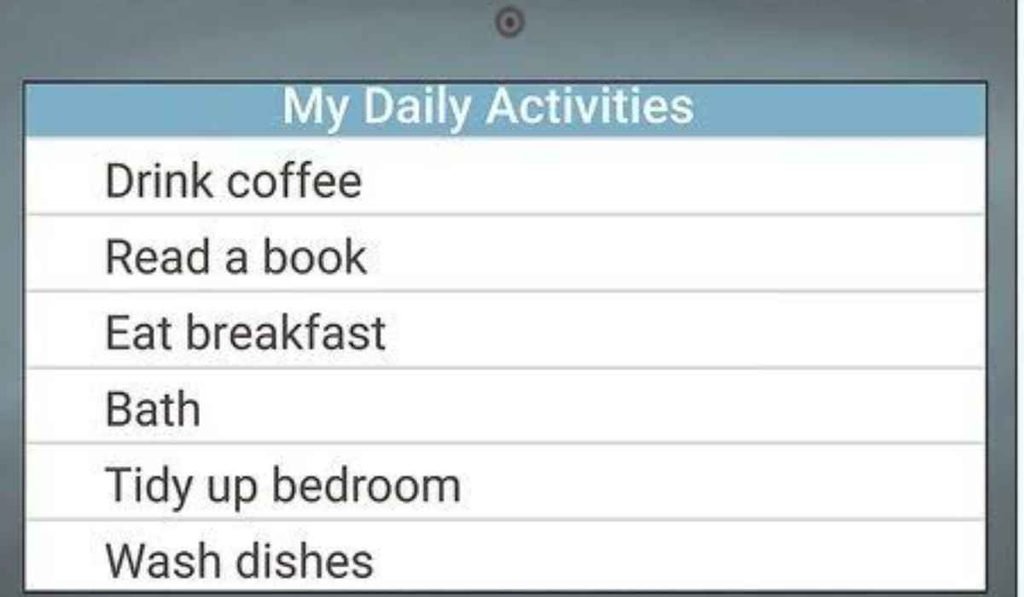
Habits often become easier when they are connected to something that already happens.
This is sometimes called habit stacking.
You can create simple connections such as:
- After brushing my teeth, I drink water.
- After drinking water, I open the curtains.
- After getting dressed, I check my schedule.
- After breakfast, I write down my top three tasks.
The existing habit becomes a reminder for the new one.
This can be especially helpful when you are trying to build consistency without constantly thinking about what comes next.
Do Not Depend on Motivation
Motivation changes from day to day.
You may feel excited about your routine on Monday and want to stay in bed on Thursday. That is normal.
Instead of asking yourself whether you feel motivated, make the first step extremely easy.
For example, if your goal is to walk for 20 minutes, tell yourself that you only need to put on your shoes and walk outside.
Once you start, continuing may feel easier.
The goal is to reduce the mental barrier between waking up and taking action.
Create a Minimum Version
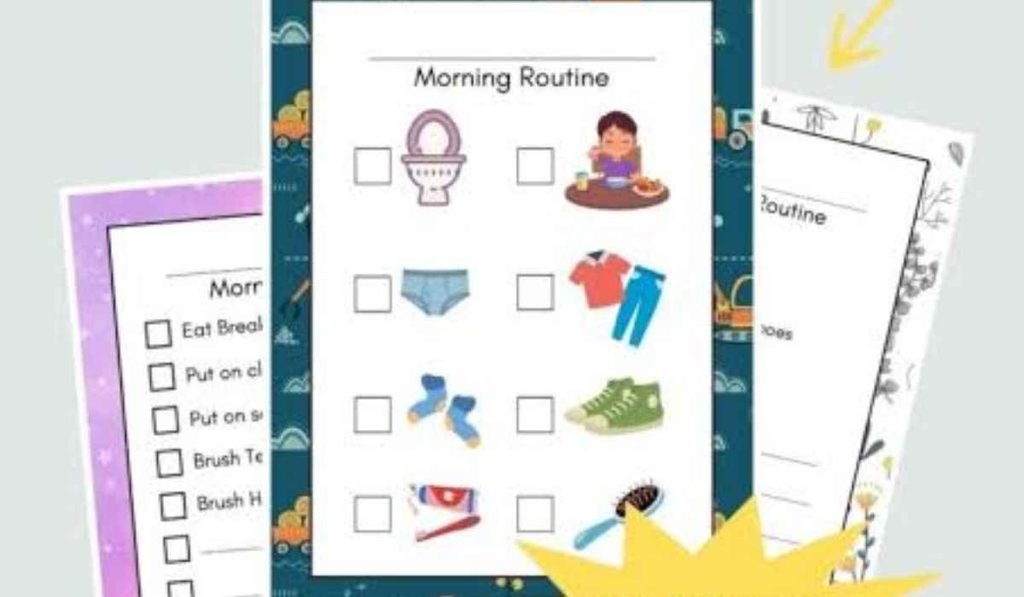
One of the most useful answers to how do you make a morning routine stick to it? is to create a shorter version for difficult days.
Your normal routine might take 30 minutes.
Your minimum routine could take five minutes:
- Get up.
- Drink water.
- Wash your face.
- Stretch for one minute.
- Check your top priority.
This gives you a way to maintain the habit when you are short on time.
A minimum routine is not a replacement for your normal routine. It is a backup that helps you avoid completely abandoning the habit.
Give Yourself a Realistic Wake-Up Time
Waking up extremely early is not automatically better.
If you regularly sacrifice sleep to fit in a long morning routine, the routine may work against your health and energy.
Most adults need at least seven hours of sleep each night. Your routine should leave enough time for adequate sleep.
Instead of choosing a wake-up time because it looks productive, work backward from when you need to leave home or begin work.
For example:
- Wake up: 7:00
- Morning routine: 30 minutes
- Breakfast: 15 minutes
- Get ready: 20 minutes
- Leave home: 8:05
Adjust the schedule to your own needs.
Prepare the Night Before
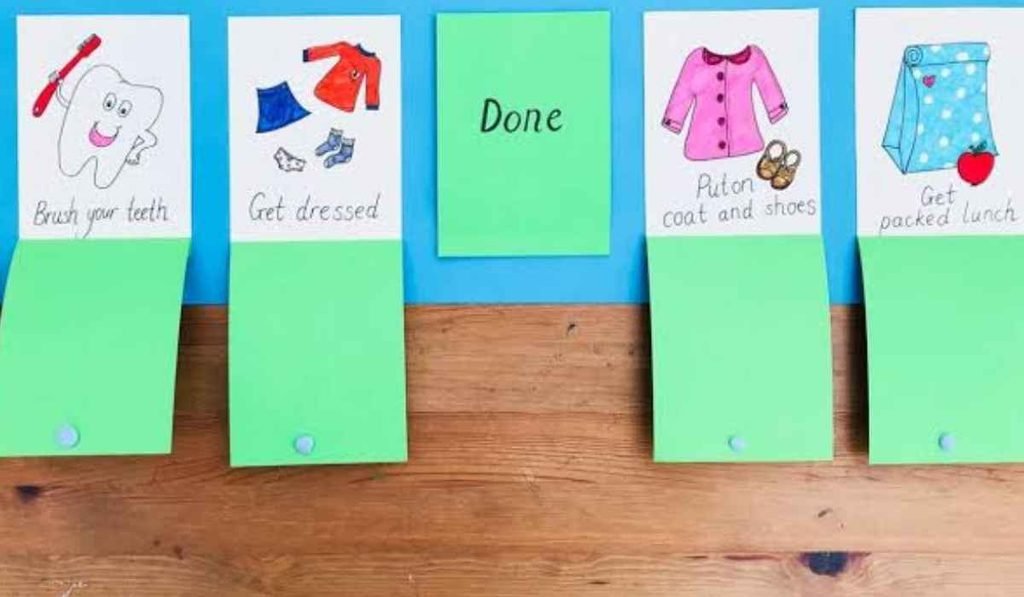
A successful morning often starts before bedtime.
Spend 10 minutes preparing for tomorrow.
You could:
- Choose your clothes.
- Pack your bag.
- Prepare breakfast ingredients.
- Put your keys in one place.
- Check your calendar.
- Set your alarm.
- Clear your main workspace.
This reduces morning decisions and gives you a smoother start.
If your morning routine keeps failing because you are rushing, the problem may not be the routine itself. You may simply need better evening preparation.
Keep Your Phone From Taking Over
A phone can easily disrupt a morning routine.
You wake up to check one message, then look at social media, watch a video, read the news, and suddenly 30 minutes are gone.
You do not need to avoid your phone completely. Create a simple rule.
For example:
No social media until after breakfast.
Or:
Check messages only after completing the first three morning habits.
You can also keep distracting apps off your home screen and turn off unnecessary notifications.
Make it easier to follow your routine than to get distracted.
Track Your Progress Without Becoming Obsessed
Tracking can help you see whether a routine is becoming consistent.
Use a simple calendar or notes app and mark the days you complete your routine.
You do not need complicated charts.
Try a basic system:
- ✓ Full routine
- • Minimum routine
- Blank = missed
Look at your progress once a week.
The goal is not to create a perfect streak. It is to notice patterns and make adjustments.
If you keep missing your routine on certain days, ask why.
Maybe your routine is too long. Maybe you are going to bed too late. Maybe your morning schedule changes on weekends.
The problem gives you useful information.
Follow the “Never Miss Twice” Approach
Missing one morning is not a reason to quit.
If you oversleep on Tuesday, simply return to your routine on Wednesday.
Avoid thinking:
“I already missed today, so I will start again next week.”
That mindset can turn one missed day into a week.
A better approach is:
Miss once, restart at the next opportunity.
This keeps your routine flexible and prevents perfectionism from becoming a barrier.
Review Your Routine Every Few Weeks
Your life changes, so your routine can change too.
A routine that worked during a school break may not work once work becomes busy. A routine that worked in summer may feel different during colder months.
Every few weeks, ask:
- What part of my routine is working?
- What feels unnecessary?
- What do I keep skipping?
- Am I getting enough sleep?
- Is the routine helping me reach my goals?
Remove habits that create more stress than value.
A shorter routine that you follow regularly is usually more useful than a perfect routine that you rarely complete.
A 20-Minute Routine You Can Actually Maintain
If you need a starting point, try this simple plan:
Minute 1–3: Get up, make your bed, and drink water.
Minute 4–7: Open the curtains or step outside for natural light.
Minute 8–12: Stretch, walk, or do light movement.
Minute 13–16: Wash and get dressed.
Minute 17–20: Review your schedule and choose your top three priorities.
You can then add breakfast, exercise, reading, or other habits if you have more time.
The key is that the basic routine remains manageable.
What to Do When You Keep Failing
If you have tried several morning routines and none has lasted, do not automatically blame yourself.
Look at the design of the routine.
Maybe you are trying to wake up too early. Maybe you have six habits instead of three. Maybe you are using a routine designed for someone with a completely different schedule.
Ask:
Can I make this easier?
Cut the routine in half.
If you planned to exercise for 30 minutes, start with five. If you planned to journal for 20 minutes, start with two. If you planned to read a chapter, start with two pages.
Small actions are easier to repeat, and repetition is what turns a behavior into a habit.
FAQs
- How do you make a morning routine stick to it?
- Keep the routine short, connect habits to existing cues, prepare the night before, and use a smaller backup routine for busy days.
- How long does it take to build a morning routine?
- There is no fixed number of days because habit formation varies by person and behavior, so focus on consistent repetition rather than a specific deadline.
- What should I do if I miss my morning routine?
- Resume the routine the next day instead of waiting for a new week or month to start again.
- How many habits should a morning routine have?
- Starting with two or three habits is usually more manageable than trying to change your entire morning at once.
- Should I wake up early to make a morning routine work?
- You do not need an unusually early wake-up time, and your routine should allow enough time for healthy sleep.
If you are still wondering how do you make a morning routine stick to it?, remember that consistency comes from making the routine realistic, not making it impressive. Start with a few habits, make them easy to begin, and give yourself a simple backup for difficult mornings. A routine that fits your real life is the one you are most likely to keep.