
 admin
admin
Is a high dividend yield always good? No. A high yield can provide attractive income, but it can also be a warning that a company’s share price has fallen because investors are worried about its business, profits, or ability to keep paying the dividend.
Dividend investing can be appealing because it gives shareholders a potential stream of cash while they own a stock. But the yield number alone does not tell you whether a dividend is safe.
A stock with a 3% yield and strong earnings growth may be a better long-term investment than one offering 12% with falling profits and heavy debt.
The important part is understanding why the yield is high.
What Is Dividend Yield?

Dividend yield measures how much a company pays in annual dividends compared with its current share price.
The basic formula is:
Dividend Yield = Annual Dividend Per Share ÷ Stock Price × 100
For example, suppose a company pays $2 in dividends per share each year and its stock trades at $40.
Its dividend yield is:
$2 ÷ $40 × 100 = 5%
Now imagine the stock falls from $40 to $20 while the company continues paying the same $2 annual dividend.
The yield becomes:
$2 ÷ $20 × 100 = 10%
The yield doubled, but the business did not suddenly become twice as attractive. The stock price simply declined.
That is one reason investors should be careful when they see an unusually high dividend yield.
Is a High Dividend Yield Always Good for Investors?
The short answer is no.
When asking is a high dividend yield always good, investors should look beyond the percentage.
A high yield can come from a healthy company with strong cash generation. It can also come from a company whose stock has crashed because investors expect trouble.
Several factors matter:
- Earnings growth
- Free cash flow
- Dividend payout ratio
- Debt levels
- Business stability
- Dividend history
- Industry conditions
- Management’s dividend policy
- Future earnings expectations
A dividend is only useful if the company can continue funding it.
Why Does a Dividend Yield Become Very High?
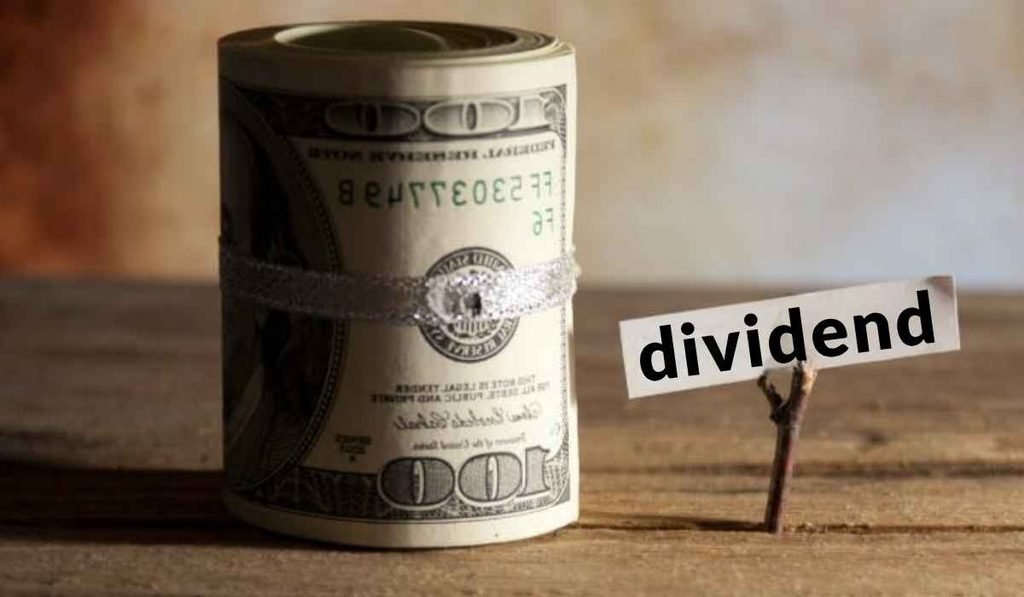
There are two basic ways a dividend yield can rise.
The Company Raises Its Dividend
This is the positive scenario.
A company increases its dividend because profits and cash flow have grown. The share price may remain stable, causing the yield to rise slightly.
For example:
- Stock price: $50
- Annual dividend: $2
- Yield: 4%
If the dividend rises to $2.50 while the stock remains at $50, the yield becomes 5%.
That can be a healthy sign if the higher dividend is supported by stronger earnings and cash flow.
The Stock Price Falls
This is where investors need to be more careful.
Suppose a company pays a $3 annual dividend and trades at $60.
The yield is 5%.
If the stock falls to $30, the yield becomes 10%, assuming the dividend has not changed.
The yield looks much more attractive, but the price decline may signal serious concerns about the business.
This is why is a high dividend yield always good cannot be answered by looking at the yield alone.
High Dividend Yield vs. Dividend Safety
Dividend safety is often more important than dividend size.
A company may advertise a high yield today, but that payment can be reduced or suspended if the business cannot support it.
Investors should examine the company’s payout ratio.
The payout ratio shows how much of a company’s earnings are being returned to shareholders through dividends.
For example:
- Annual earnings per share: $5
- Annual dividend per share: $2
- Payout ratio: 40%
The company is paying out 40% of its earnings.
A high payout ratio is not automatically bad, but an extremely high ratio can leave less room for the company to handle weaker profits.
What About Payout Ratios Above 100%?
A payout ratio above 100% means the company is paying more in dividends than its reported earnings for that period.
That can happen for different reasons, including unusual accounting effects or temporary earnings declines.
It deserves closer investigation.
Investors should also compare dividends with free cash flow, because earnings and cash generation are not always the same.
Free Cash Flow Can Tell a Different Story

A company may report profits while having weak cash generation.
That matters because dividends require cash.
Suppose a company reports:
| Metric | Amount |
| Net income | $500 million |
| Operating cash flow | $450 million |
| Capital spending | $200 million |
| Free cash flow | $250 million |
| Dividends paid | $350 million |
The company earned $500 million, but it generated only $250 million in free cash flow after capital spending.
It paid $350 million in dividends.
That situation could be worth investigating because the dividend is larger than the company’s free cash flow for the period.
One quarter does not automatically mean the dividend is unsafe, but repeated cash shortfalls can become a serious concern.
What Makes a High Dividend Yield Attractive?
A high yield can be valuable when it is supported by a strong and stable business.
Some characteristics to look for include:
Consistent Cash Flow
Companies with stable cash generation are generally in a better position to maintain shareholder distributions.
Sustainable Payout Ratio
A reasonable payout ratio gives a company room to reinvest in the business, reduce debt, and handle weaker periods.
Strong Balance Sheet
Lower debt and healthy cash reserves can provide additional protection during difficult economic conditions.
Long Dividend History
A company that has maintained or increased its dividend through different economic cycles may provide more confidence than one that recently introduced a very large payout.
Still, past dividend performance does not guarantee future payments.
Healthy Business Growth
A company with growing sales and profits may have more capacity to increase its dividend over time.
What Are the Risks of Chasing High-Yield Stocks?

The biggest danger is yield chasing.
This happens when an investor focuses mainly on the highest dividend percentage without investigating the company behind it.
A very high yield can sometimes be associated with:
- Falling stock prices
- Declining earnings
- High debt
- Weak cash flow
- Business disruption
- Regulatory pressure
- Dividend cuts
- Poor long-term growth
A dividend cut can also cause another sharp decline in the stock because income-focused investors may sell.
That can create a double hit: the investor receives less income and owns a stock worth less than before.
Is a High Dividend Yield Always Good in 2026?
The question remains especially relevant in 2026 because investors are dealing with changing interest-rate expectations, market valuations and different levels of economic growth across industries.
A dividend stock should be compared with other available income-producing investments, including bonds and cash products.
When interest rates are relatively attractive, investors may demand a stronger reason to accept the additional risks associated with individual dividend stocks.
At the same time, dividend-paying companies can offer something bonds generally do not: the possibility of dividend growth and capital appreciation.
The trade-off is that stock prices can fluctuate significantly.
For 2026 investors, the key is not simply finding the highest yield. It is finding a yield that appears reasonable compared with the company’s financial strength and future prospects.
How to Evaluate a High-Yield Dividend Stock
Before buying a high-yield stock, use this checklist.
1. Check the Dividend History
Look at several years of payments.
Ask:
- Has the dividend been stable?
- Has it increased?
- Has it been cut?
- Was it suspended during previous downturns?
2. Examine Earnings
Dividend payments ultimately depend on the company’s ability to generate profits and cash.
Look for stable or growing earnings rather than a long-term decline.
3. Check Free Cash Flow
Compare free cash flow with the amount paid in dividends.
If dividends consistently exceed available cash, investors should understand how the company is funding the difference.
4. Review Debt
High debt can become a problem when interest costs rise or earnings weaken.
A company using a large portion of its cash flow to service debt has less flexibility for dividends.
5. Compare the Yield With Competitors
A 6% yield might look attractive until you discover that similar companies offer 3%.
The difference could be justified, but it could also indicate that the higher-yielding company carries more risk.
A Simple Comparison
Consider these two hypothetical companies:
| Factor | Company A | Company B |
| Dividend yield | 4% | 10% |
| Earnings growth | 7% | -8% |
| Payout ratio | 50% | 110% |
| Free cash flow | Strong | Weak |
| Debt | Moderate | High |
| Dividend history | Stable | Recently cut |
| Overall dividend risk | Lower | Higher |
Company B offers a much larger yield, but Company A may provide a stronger foundation for long-term dividend income.
This illustrates why is a high dividend yield always good is the wrong question to ask in isolation.
A better question is: Is this dividend yield sustainable at the current stock price?
High Yield and Total Return
Investors should also remember that dividends are only one part of investment returns.
Total return generally includes:
Dividend income + Share price appreciation or decline
Imagine a stock pays a 10% dividend but loses 20% of its value.
The investor could still have a negative total return.
Another company might pay a 3% dividend while its share price increases 12%.
Its total return could be much higher.
This is why income should be considered alongside valuation, growth and business quality.
When a High Dividend Yield May Be a Warning Sign
A high yield deserves extra attention when several warning signs appear together.
Watch for:
- Dividend yield far above industry peers
- Falling revenue
- Falling earnings
- Negative free cash flow
- Rapidly increasing debt
- Weak interest coverage
- Repeated dividend cuts
- Management reducing its outlook
- A major decline in the share price
- Payout ratio that appears difficult to sustain
One warning sign does not automatically mean a company is a bad investment.
Several at once deserve serious research.
When a High Dividend Yield Can Make Sense
There are cases where a high yield can be reasonable.
Some mature businesses generate significant cash but have fewer opportunities to reinvest that money into rapid expansion. They may return a larger portion of their cash to shareholders.
Certain industries and business structures also naturally have higher payout rates.
The important thing is to compare companies within the same industry rather than applying one universal dividend standard to every stock.
Investors should also understand tax rules and account types because dividend income can have different tax consequences depending on where and how the investment is held.
How to Avoid Dividend Traps
A dividend trap is a stock that appears attractive because of its high yield but eventually delivers poor returns because the dividend is reduced or the stock price continues falling.
A simple process can reduce the risk:
- Don’t choose a stock based on yield alone.
- Check the reason the yield is unusually high.
- Review earnings and free cash flow.
- Examine debt and interest costs.
- Study the dividend history.
- Compare the payout ratio with industry peers.
- Look at the company’s future growth prospects.
- Consider total return, not just income.
- Avoid concentrating too much money in one high-yield stock.
- Recheck the investment when earnings or business conditions change.
This approach helps investors focus on the quality of the income rather than simply its size.
FAQs
- Is a high dividend yield always good?
- No, a high yield can reflect a healthy dividend or a falling stock price caused by concerns about the company’s future.
- What is considered a high dividend yield?
- There is no universal cutoff, because what counts as high varies significantly between industries and market conditions.
- Can a high dividend yield be a warning sign?
- Yes, an unusually high yield can signal falling share prices, weak earnings, financial stress or a possible dividend reduction.
- How can investors tell if a dividend is safe?
- Investors can examine earnings, free cash flow, payout ratios, debt levels and the company’s history of maintaining its dividend.
- Is dividend yield more important than stock growth?
- No, investors should consider dividend income together with potential share-price appreciation and overall total return.
So, is a high dividend yield always good? Definitely not. A high yield can be a useful source of income, but the percentage alone tells you very little about the quality of the investment.
The strongest dividend opportunities are usually those where the payment is supported by healthy cash flow, manageable debt, sustainable earnings and a durable business. A lower yield from a financially strong company can sometimes be far more valuable than a double-digit yield that cannot last.
For business inquiries, feedback, or guest post opportunities, contact timesstock1@gmail.com.






[…] Treasury stock consists of a company’s own shares that it has previously issued and later repurchased. […]