 admin
admin
Companies pay dividends because they have cash they can return to shareholders and believe distributing some of that money is a good use of capital. A dividend can give investors regular income while allowing them to keep ownership of the company.
But why do some companies pay dividends while others keep nearly all their profits? The answer often comes down to the company’s age, cash flow, growth opportunities, financial goals, and how management chooses to reward shareholders.
A dividend is not simply a sign that a company is profitable. It is a decision about what the business should do with its available cash.
What Is a Company Dividend?
A dividend is a payment made by a company to eligible shareholders. Most commonly, dividends are paid in cash, although companies can sometimes distribute additional shares.
Suppose you own 200 shares of a company that declares a quarterly dividend of $0.40 per share. Your payment would be:
200 × $0.40 = $80
If the company maintains that dividend for four quarters, you could receive $320 during the year, before applicable taxes.
Companies are not required to pay dividends simply because they make a profit. Management and the board decide whether to distribute cash or use it for other purposes.
That choice is one of the main reasons why do some companies pay dividends is an important question for new investors.
Why Do Some Companies Pay Dividends?
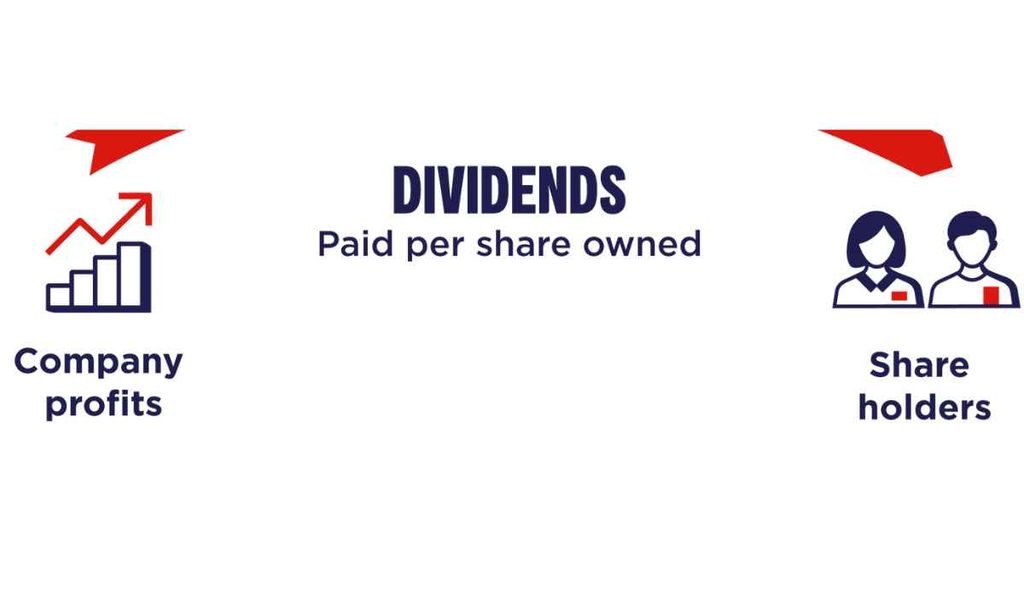
There is no single reason every company pays dividends. Businesses have different financial conditions and different priorities.
Some of the most common reasons include:
- Returning excess cash to shareholders
- Providing investors with regular income
- Showing confidence in future cash flow
- Attracting long-term investors
- Maintaining a shareholder-friendly capital policy
- Making the stock more appealing to income-focused investors
- Sharing part of the company’s financial success
A company may decide that it has enough money to fund operations, maintain its balance sheet, invest in growth, and still return some cash to shareholders.
This is especially common among established businesses with predictable revenue and fewer opportunities to generate high returns by reinvesting every dollar.
Mature Companies Often Have More Stable Cash Flow
One major reason why do some companies pay dividends is business maturity.
A young company may be growing quickly and need large amounts of cash for:
- Hiring employees
- Opening new locations
- Building products
- Expanding into new markets
- Marketing
- Research and development
- Acquisitions
Keeping profits inside the company can make sense when management believes reinvesting that money can generate strong future growth.
A mature company may have fewer urgent expansion needs. It might already have established products, customers, infrastructure, and market share.
Instead of accumulating large amounts of unused cash, management may return some of it to shareholders.
That does not mean mature companies cannot grow. It simply means their capital needs can look different from those of a young, rapidly expanding business.
Dividends Can Reward Shareholders
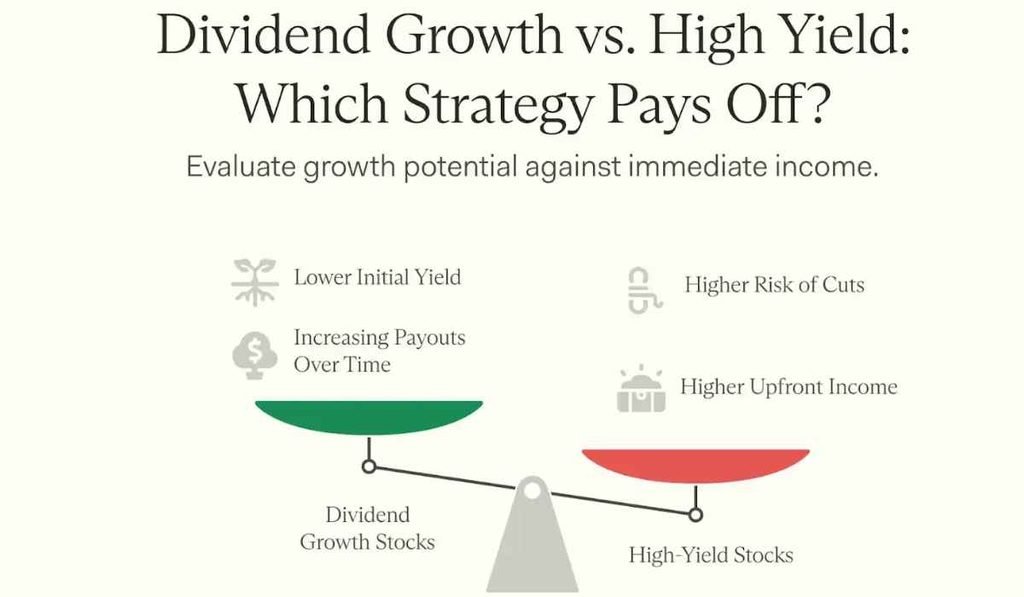
Shareholders own part of a company. When a company distributes a dividend, it gives eligible shareholders a direct financial benefit from owning those shares.
For income-focused investors, this can be attractive.
For example, an investor may use dividend income to:
- Pay for regular expenses
- Add money to other investments
- Purchase additional shares
- Build a cash reserve
- Supplement other sources of income
Some investors also choose to automatically reinvest dividends. Instead of receiving the money as cash, they use it to purchase more shares.
Over a long period, reinvestment can increase the number of shares an investor owns. If the company continues paying dividends, those additional shares may generate additional dividend income.
Dividends Can Signal Financial Confidence
A regular dividend can sometimes indicate that management expects the company to continue generating enough cash to support the payment.
This is one reason investors watch dividend history.
A business that has maintained or increased its dividend for many years may attract investors who value consistency. However, a long dividend history does not guarantee that future payments will continue.
Management still has to consider:
- Revenue
- Profitability
- Free cash flow
- Debt
- Economic conditions
- Future investment needs
A company can reduce or suspend its dividend if its financial situation changes.
So investors should never treat a dividend as guaranteed income.
Dividends vs. Reinvesting Profits
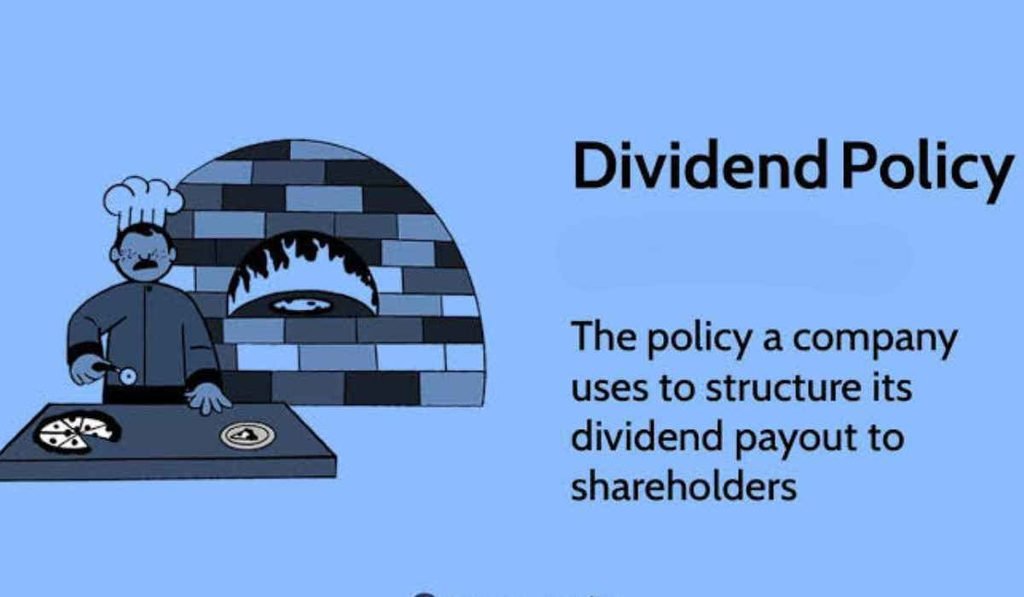
When a company earns money, management has several possible uses for it.
| Use of company cash | Main purpose | Why management may choose it |
| Dividends | Return cash to shareholders | Limited need for reinvestment |
| Business expansion | Increase future revenue | Attractive growth opportunities |
| Research and development | Create new products | Potential long-term innovation |
| Debt repayment | Reduce financial obligations | Strengthen the balance sheet |
| Share buybacks | Reduce shares outstanding | Return capital to shareholders |
| Acquisitions | Purchase other businesses | Expand products or market share |
| Cash reserves | Maintain liquidity | Prepare for uncertainty |
There is no universal answer about which option is best.
If a company can invest $1 million and reasonably expect that investment to create significant future value, retaining the money may be more useful than paying it out.
If attractive growth opportunities are limited, returning some cash to shareholders may make more sense.
Why Some Companies Do Not Pay Dividends
Understanding why do some companies pay dividends becomes easier when you look at the opposite situation.
Many companies do not pay dividends because they prefer to reinvest available cash.
Technology companies, startups, and rapidly expanding businesses may have strong reasons to keep money inside the business.
For example, a company might believe that investing in a new product could produce much larger returns than distributing the same cash to shareholders today.
A company can also choose share buybacks instead of dividends. In a buyback, the business purchases its own shares, potentially reducing the number of shares outstanding.
Other companies may avoid dividends because they have high debt, uncertain cash flow, or significant capital requirements.
The absence of a dividend does not automatically mean a company is weak.
Dividends and Total Investment Returns
Dividends are only one part of an investment’s potential return.
An investor can generally benefit from a stock through:
- Share price appreciation
- Dividend income
For example, imagine an investor buys shares for $5,000. After several years, the shares are worth $6,000, and the investor has received $700 in dividends.
Ignoring taxes and other factors, the investment has produced $1,700 in gains from the original $5,000 investment.
This is why investors often consider total return rather than focusing only on dividend yield.
A company with no dividend can still deliver strong returns if its business grows and its share price increases. A high-dividend stock can also produce disappointing returns if its share price falls significantly.
What Is Dividend Yield?
Dividend yield compares a company’s annual dividend with its current stock price.
The basic formula is:
Dividend Yield = Annual Dividend Per Share ÷ Share Price × 100
Suppose a company pays $2 per share annually and its stock trades at $50.
$2 ÷ $50 × 100 = 4%
The dividend yield is 4%.
However, investors should be careful when comparing yields.
A very high yield can sometimes occur because the stock price has fallen sharply. That may indicate that investors are concerned about the company’s earnings or future dividend.
Looking at dividend yield alongside financial health provides a more useful picture.
How Companies Decide Whether to Increase Dividends
Dividend increases can attract attention because they may show that a company expects to maintain strong cash generation.
Before increasing a dividend, management may consider:
- Current profits
- Expected future earnings
- Free cash flow
- Debt obligations
- Planned capital spending
- Economic conditions
- Acquisition opportunities
- Existing dividend commitments
A company does not need to increase its dividend every year. Some businesses keep payments stable for long periods, while others change their policies as conditions change.
What Investors Should Check Before Buying Dividend Stocks
Knowing why do some companies pay dividends is useful, but it should not be the only factor used to evaluate a stock.
Before investing, consider the entire business.
1. Check the dividend history
Look at how long the company has paid dividends and whether payments have been stable.
2. Examine cash flow
A dividend should ideally be supported by the company’s ability to generate cash.
3. Review the payout ratio
The payout ratio shows how much of a company’s earnings are being distributed as dividends.
4. Look at debt
Heavy debt can put pressure on future cash flow and limit management’s flexibility.
5. Consider the business outlook
Ask whether the company can remain competitive and continue generating revenue and profit.
6. Avoid chasing extremely high yields
A high yield can be attractive, but it can also signal higher risk.
Are Dividend Payments Guaranteed?
No. Dividends can be reduced, suspended, or eliminated.
A company may cut its dividend during a major downturn, when cash flow weakens, or when management decides that capital is better used elsewhere.
Investors should also remember that dividends are not the same as interest from a guaranteed savings product. Stock ownership carries investment risk, and the share price can move substantially.
The Tax Side of Dividends
Dividend taxation depends on where an investor lives, the investment account used, and the type of dividend.
In the United States, the IRS generally distinguishes between ordinary dividends and qualified dividends. Qualified dividends can receive preferential tax treatment when the applicable requirements are met.
Investors outside the United States may face different rules, including withholding taxes on dividends from foreign companies.
Before making investment decisions based on dividend income, investors should understand the tax rules that apply to their situation.
FAQs About Why Companies Pay Dividends
- Why do some companies pay dividends instead of reinvesting all their profits?
- Companies may pay dividends when they have excess cash and believe returning part of it to shareholders is a better use of capital than additional reinvestment.
- Why do some companies pay higher dividends than others?
- Dividend levels differ because companies have different cash flows, growth opportunities, capital needs, debt levels, and shareholder-return policies.
- Why do some companies pay dividends every quarter?
- Quarterly payments provide a regular distribution schedule and are common among established dividend-paying companies, particularly in the United States.
- Can a company stop paying dividends?
- Yes, a company’s board can reduce, suspend, or eliminate dividends when financial conditions or business priorities change.
- Are companies required to pay dividends to shareholders?
- No, companies generally decide whether to distribute profits through dividends, reinvestment, buybacks, debt repayment, or other uses of capital.
For investors, understanding why do some companies pay dividends can make stock research much easier. The payment itself is only one piece of the picture. What matters just as much is whether the business can afford the dividend, whether management has good uses for its cash, and whether the company has a realistic path to creating value over time.
A dividend can be useful income, but the strongest investment decisions usually start with the business behind the payment.