
 admin
admin
Why do stocks fall after good earnings? The simple answer is that investors care about what comes next, not just how well a company performed in the quarter that just ended.
A company can beat Wall Street’s earnings and revenue estimates and still watch its stock price drop sharply. That may seem strange at first, but stock prices reflect expectations about future profits. If investors expected an even bigger result, stronger guidance, better margins, or faster growth, a small earnings beat may not be enough.
This situation has become especially important in 2026, when elevated valuations and high expectations have left some companies with very little room for disappointment. Charles Schwab noted in its 2026 outlook that valuations in many major markets were toward the high end of their 20-year ranges, increasing the risk of a quick repricing when expectations weaken.
Why Do Stocks Fall After Good Earnings Reports?
The biggest reason is the difference between what a company reported and what investors expected it to report.
Imagine a company earns $2.10 per share while analysts expected $2.00. On paper, that is good news. But suppose investors were quietly expecting $2.20.
The company beat the official estimate, yet the result was weaker than the market hoped.
That is why why do stocks fall after good earnings is really a question about expectations.
Investors may also react negatively if:
- Revenue growth slows.
- Future guidance is weak.
- Profit margins shrink.
- Operating costs rise.
- Management sounds cautious.
- Free cash flow falls.
- The stock valuation is already very high.
- Investors had already bought the stock ahead of the report.
Fidelity notes that earnings announcements can produce large price swings because the market compares the actual results with consensus expectations.
1. The Earnings Beat Was Already Priced In
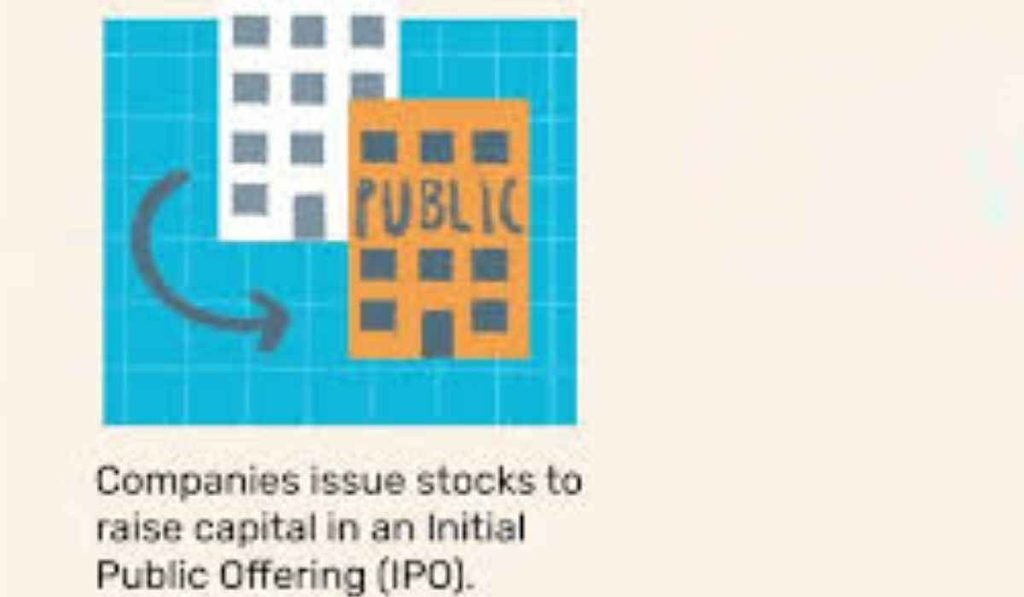
One of the most common explanations for why do stocks fall after good earnings is that investors expected the good news before the report arrived.
Stocks often move before earnings day because investors anticipate the results.
For example:
- Analysts raise their estimates.
- Investors buy shares ahead of earnings.
- The stock climbs 10% or 15%.
- The company reports a strong quarter.
- Investors decide there is no major new reason to buy.
- Some shareholders take profits.
- The stock falls.
This is sometimes described as “buy the rumor, sell the news.”
The earnings report can be objectively strong while still failing to provide a fresh reason for the share price to rise.
Charles Schwab explains that stocks can move against positive headlines when the information has already been anticipated and reflected in the share price.
2. Future Guidance Matters More Than Past Earnings
A quarterly earnings report mainly tells investors what already happened.
Guidance tells them what management expects to happen next.
That distinction is critical.
A company could report:
- EPS above estimates
- Revenue above estimates
- Strong quarterly sales
But then issue weaker guidance for the next quarter.
The stock may fall because investors start lowering their forecasts for future profits.
Charles Schwab’s 2026 guidance analysis points to several recent examples where companies delivered strong earnings but faced sharp stock reactions because of disappointing forward guidance.
This helps explain why do stocks fall after good earnings even when the headline numbers look excellent.
What investors watch in guidance
Pay attention to:
- Next-quarter revenue forecasts
- Full-year EPS guidance
- Expected profit margins
- Capital spending
- Operating expenses
- Customer demand
- Product launches
- International growth
- Management’s economic outlook
A strong quarter followed by weak guidance can be worse for a stock than an average quarter followed by a strong outlook.
3. The Company Beat Estimates, But Not by Enough
Not all earnings beats are equal.
Suppose analysts expect EPS of $1.00.
| Result | EPS | Possible Market Reaction |
| Small beat | $1.02 | Little reaction or decline |
| Solid beat | $1.10 | Potential rise |
| Large beat | $1.20 | Stronger positive reaction |
| Beat but weak guidance | $1.10 | Possible sharp decline |
The market may also compare the result with whisper numbers, which are unofficial expectations among investors and analysts.
A company can beat the published consensus while missing the number that traders actually cared about. Schwab highlighted this dynamic during the 2026 earnings season, noting that “whisper numbers” can influence trading when standard consensus estimates are not enough.
4. High Valuations Leave Less Room for Mistakes
A stock trading at a high valuation needs strong growth to justify its price.
Consider two companies.
Company A
- P/E ratio: 12
- Slow growth
- Earnings slightly above estimates
Company B
- P/E ratio: 45
- Very high growth expectations
- Earnings slightly above estimates
Company B may face a bigger sell-off if investors believe its growth is slowing.
Why?
Because the stock price already assumes a lot of future success.
This is particularly relevant in 2026. Schwab’s midyear outlook said elevated valuations and high earnings expectations could increase downside risk if companies fail to deliver the growth investors have already priced in.
So when asking why do stocks fall after good earnings, valuation should always be part of the answer.
5. Profit Margins Can Worry Investors
Revenue and earnings can rise while the underlying business becomes less efficient.
For example, a company could report:
- Revenue up 15%
- EPS up 10%
- Operating costs up 20%
The headline looks positive, but investors may worry about future profitability.
Margins tell investors how much profit a company keeps after paying its costs.
A declining margin can suggest:
- Higher wages
- Rising raw material costs
- Increased advertising expenses
- Higher cloud or infrastructure costs
- Tariffs
- Heavy investment
- Pricing pressure
In 2026, capital spending has become an especially important issue for large technology companies because of the huge investment required for artificial intelligence infrastructure. Reuters reported several instances this year where investors focused heavily on spending and cash flow even when headline earnings were strong.
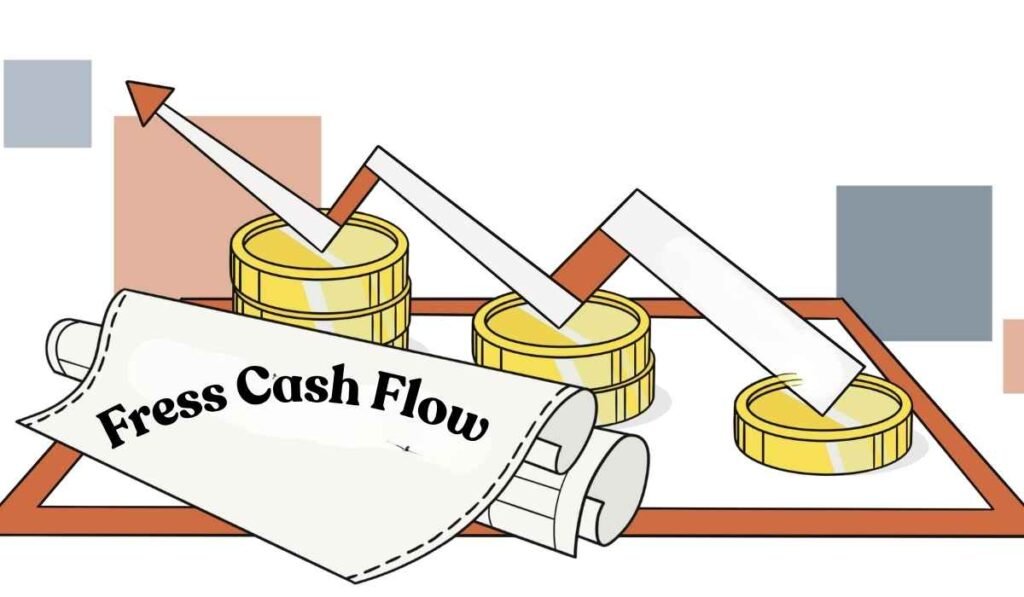
6. Free Cash Flow Can Matter More Than EPS
Earnings per share is important, but it does not tell the entire story.
Investors may also examine free cash flow, which provides insight into how much cash remains after capital expenditures.
A company might report excellent EPS while spending heavily on:
- Data centers
- Factories
- Equipment
- Research
- Acquisitions
- New infrastructure
If those investments reduce free cash flow, investors may question whether today’s earnings are translating into usable cash.
This issue has become more visible in 2026 as major technology companies increase spending on AI infrastructure. Reuters recently reported that concerns about capital spending and free cash flow contributed to negative reactions to otherwise strong earnings from some major companies.
7. The Earnings Call Changes the Story

The earnings release is only the beginning.
After results are published, executives usually hold an earnings call. Analysts ask questions about demand, competition, costs, products and future growth.
Sometimes the numbers look excellent until management starts talking.
A CEO might say:
“Demand remains strong, but customers are taking longer to commit.”
That one statement can change investor expectations.
Management commentary can reveal concerns that aren’t obvious in the headline earnings figures.
Investors therefore listen for changes in language around:
- Customer demand
- Pricing
- Competition
- Hiring
- Costs
- Capital spending
- Economic conditions
- Future orders
8. The Overall Market Can Push the Stock Lower
Sometimes the company is not the main problem.
The broader market may be falling because of:
- Interest-rate expectations
- Inflation data
- Geopolitical events
- Oil prices
- Currency movements
- Recession fears
- Bond yields
- Weakness in a particular sector
A company can report excellent earnings while its stock falls simply because investors are reducing risk across the market.
For example, Reuters reported in 2026 that concerns about inflation, oil prices and AI spending contributed to broader market pressure even as individual companies were reporting strong results.
This is another important piece of the puzzle when considering why do stocks fall after good earnings.
A Real 2026 Example: Strong Results Were Not Always Enough
Recent 2026 earnings reactions show how complicated this can be.
Nvidia initially experienced volatility after reporting strong second-quarter results and raising its revenue outlook. Investors were also focused on profitability and longer-term AI expectations. The stock later rebounded strongly as its outlook reassured the market.
Marvell Technology provided another example. The company reported strong results and raised longer-term revenue forecasts, but its shares initially fell because investors wanted to see more immediate financial benefits from a major Google-related opportunity.
The lesson is simple: a good earnings report is only one piece of information.
How to Read an Earnings Report Before Buying or Selling
Instead of focusing only on whether a company “beat earnings,” check these areas:
- EPS: Did adjusted and reported EPS beat expectations?
- Revenue: Was sales growth strong?
- Guidance: Did management raise or lower its outlook?
- Margins: Are profit margins improving?
- Cash flow: Is the company generating enough cash?
- Valuation: How expensive is the stock compared with its growth?
- Earnings call: Did executives sound confident?
- Analyst estimates: Are future estimates moving higher or lower?
- Sector: Is the whole industry under pressure?
- Market: Are interest rates, inflation or other macro factors affecting stocks?
This approach can provide a clearer picture than simply looking at the headline EPS number.
Should You Sell When a Stock Falls After Good Earnings?
Not necessarily.
A post-earnings decline does not automatically mean the business is broken.
Ask what actually caused the decline.
If the stock falls because investors were expecting an even bigger beat, the underlying business may still be healthy.
But a decline deserves more attention when it is caused by:
- Lower full-year guidance
- Weakening demand
- Falling margins
- Rising debt
- Poor free cash flow
- Loss of market share
- Higher-than-expected expenses
- Major changes to the business outlook
The key is to separate short-term price movement from a change in the company’s fundamentals.
A falling stock price is information, but it is not automatically a verdict on the company.
Why Do Stocks Fall After Good Earnings? The Main Lesson
The stock market is forward-looking.
That is why why do stocks fall after good earnings cannot be answered simply by saying investors are irrational. The market is constantly comparing current results with expectations about future results.
A company can beat earnings and still disappoint investors if:
- The beat was too small.
- Guidance was weak.
- Growth is slowing.
- Valuation is too high.
- Margins are under pressure.
- Cash flow is disappointing.
- Investors already expected great results.
- The broader market is selling off.
The best investors look beyond the headline number and ask a more useful question: What changed about the company’s future after this earnings report?
FAQs
- Why do stocks fall after good earnings?
- Stocks can fall when investors expected even better results, weaker future guidance, or when the good news was already priced into the shares.
- Can a stock fall after beating EPS estimates?
- Yes, because investors also consider revenue, guidance, margins, cash flow and future growth.
- Does a falling stock after earnings mean the company is doing badly?
- No, a price decline can reflect high expectations, profit-taking, valuation concerns or broader market weakness.
- Why is earnings guidance so important?
- Guidance gives investors an indication of future revenue, earnings, costs and growth, which can matter more than past quarterly results.
- Should investors buy a stock after it falls following good earnings?
- Not automatically, because investors should first determine whether the decline reflects temporary expectations or a genuine deterioration in the business.
A good earnings report can still produce a bad trading day, and that is one of the most important things new investors learn about the stock market. The headline tells you what happened, but the market reaction often tells you what investors think happens next.
For business inquiries, feedback, or guest post opportunities, contact timesstock1@gmail.com.





[…] example, suppose you own 100 shares of a company that declares a quarterly dividend of $0.50 per share. If you qualify for the payment, your dividend would […]