
 admin
admin
Learning how to begin decluttering your home starts with one simple idea: you do not have to clean the entire house in one day. The easiest approach is to choose one small area, remove things you no longer need, and slowly build better habits.
Clutter often builds up without anyone noticing. A few unused clothes become a crowded closet. Kitchen drawers fill with duplicate tools. Papers collect on counters, while random items find temporary homes and never leave. Eventually, the amount of stuff can make a room feel harder to use.
Decluttering is not about creating a perfectly empty house. It is about making your home more useful, comfortable, and easier to maintain.
How to Begin Decluttering Your Home Without Feeling Overwhelmed
The biggest mistake is starting with a huge project. Emptying an entire garage or pulling everything out of every closet can create more stress than progress.
Instead, choose one small area that you can finish.
Good starting points include:
- One kitchen drawer
- A bathroom cabinet
- A bedside table
- One shelf
- An entryway
- A small section of your closet
- A pile of old paperwork
Set a timer for 15 to 30 minutes. Once the timer starts, focus only on that area.
The goal is to finish a small task, not to make the entire house perfect. Seeing one clean space can give you the motivation to continue.
Create Four Decluttering Categories
Before sorting your belongings, prepare four bags, boxes, or clearly marked areas.
| Category | What Belongs Here | Next Step |
| Keep | Items you use and need | Organize them |
| Donate | Useful items you no longer need | Give them away |
| Sell | Valuable items worth the effort | List them |
| Trash/Recycle | Broken or unusable items | Dispose of them correctly |
These categories make decisions easier because every item has somewhere to go.
Try not to create a large “maybe” pile. A few uncertain items are normal, but keeping half of your belongings in an undecided category defeats the purpose of decluttering.
If you genuinely cannot decide, place those items in a separate box and write a date on it. If you do not need anything from the box after several months, you can reconsider whether those belongings deserve permanent space.
Choose the Right Room First
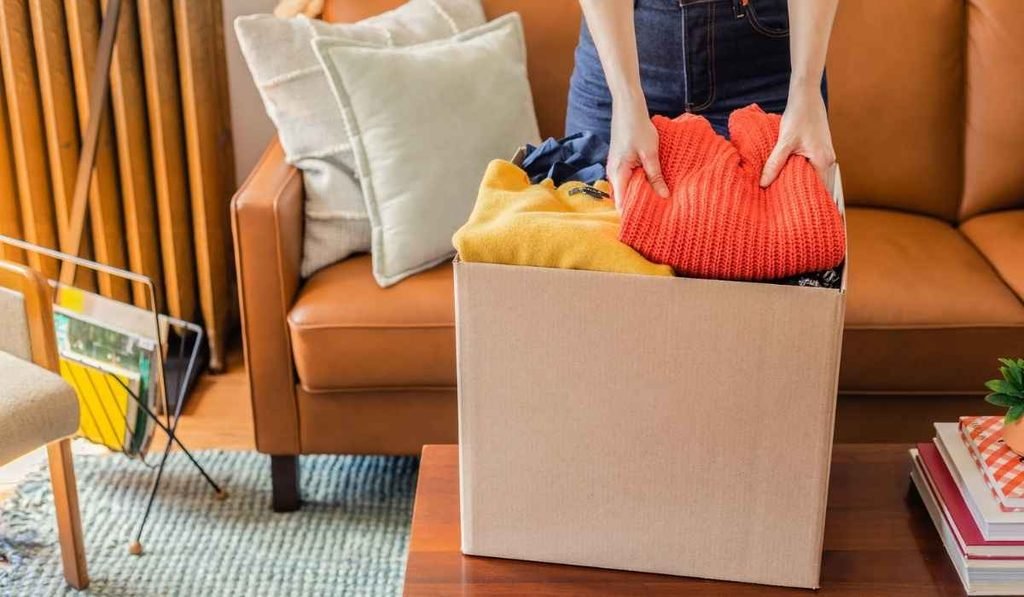
When deciding how to begin decluttering your home, think about which space affects your daily routine the most.
If you spend a lot of time cooking, the kitchen may be the best place to start. If getting dressed each morning is stressful, your bedroom or closet could have a bigger impact.
You can use this simple order:
- Entryway
- Kitchen
- Living room
- Bathroom
- Bedroom
- Closets
- Storage areas
There is no requirement to follow this exact order. Choose the area where a small improvement will make your day easier.
For example, clearing a crowded kitchen counter may give you more useful space immediately. That quick result can make the next decluttering session feel less difficult.
Start With Easy Items
Do not begin with your most emotional belongings.
Instead, look for things that are easy to identify as unnecessary. These items require less thought and help you gain momentum.
Start with things such as:
- Empty boxes
- Expired products
- Broken items
- Duplicate kitchen tools
- Old packaging
- Clothes that no longer fit
- Unused promotional items
- Worn-out household supplies
- Objects you have been meaning to repair for years
If something has been broken for a long time and you have never repaired it, ask yourself whether you are realistically going to fix it.
Decluttering becomes easier when you make decisions based on how you actually live rather than how you imagine you might live someday.
Ask Yourself Five Questions
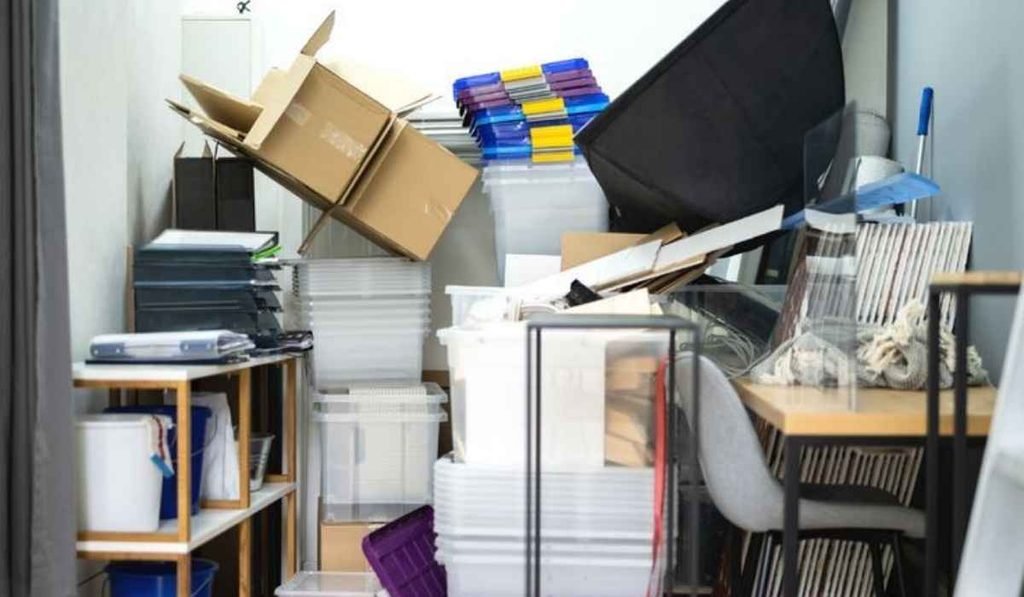
When you are unsure about an item, ask a few practical questions.
Have I used this recently?
If you cannot remember the last time you used something, that can be a useful signal.
Would I buy this again today?
This question helps separate genuine needs from purchases you made in the past.
Do I already own something similar?
Duplicate items are common sources of unnecessary clutter.
Does this item have a specific purpose?
An item does not need to be used every day, but you should know why you are keeping it.
Is the space worth more than the item?
Every object takes up physical space. Consider whether that space could be used for something more useful.
These questions can be especially helpful when you feel guilty about getting rid of something.
Declutter Your Clothes One Group at a Time
Clothing can quickly become one of the biggest sources of household clutter.
Rather than emptying your entire wardrobe, work with one category at a time. You could start with T-shirts, shoes, jackets, or workout clothing.
For every piece, consider:
- Does it fit?
- Have I worn it recently?
- Is it comfortable?
- Is it damaged?
- Do I have several similar items?
- Would I choose it over my other clothes?
Avoid keeping clothes only because they were expensive. The money has already been spent. Keeping an unused item does not recover that cost.
If something is valuable and in good condition, selling it may make sense. If it is useful but no longer right for you, donating it can give the item another purpose.
Save Sentimental Items for Later
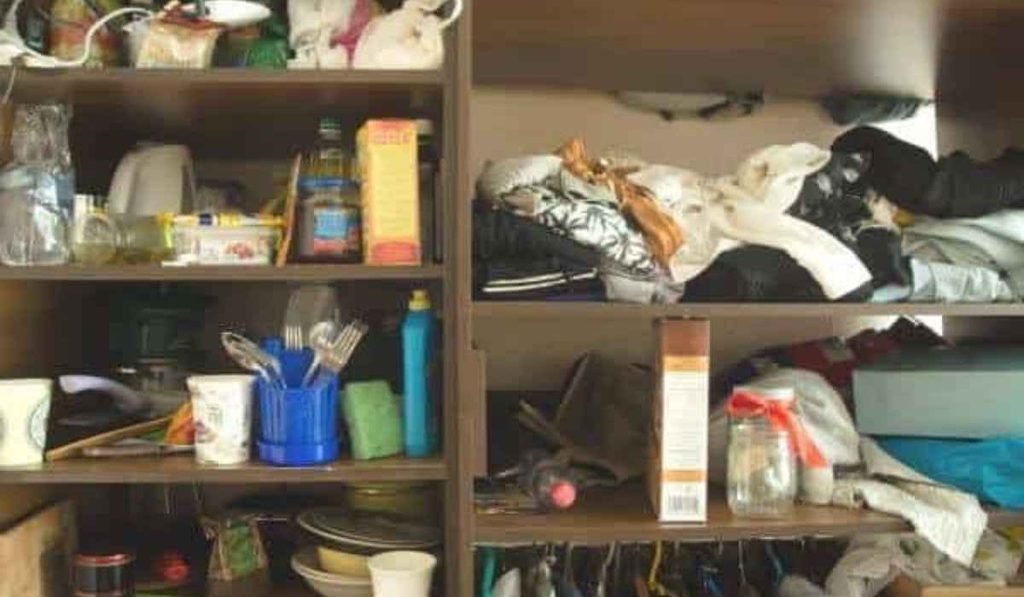
One important part of how to begin decluttering your home is knowing which decisions should wait.
Sentimental objects are usually harder to sort because they are connected to memories, people, or important moments.
Do not start your decluttering project with childhood boxes, family photographs, old letters, or meaningful gifts.
Handle those categories after you have completed easier areas.
When you reach sentimental belongings, you can:
- Keep your most meaningful items
- Photograph large objects before letting them go
- Create a small memory box
- Digitize photographs
- Share family items with relatives
- Combine several small keepsakes into one collection
You do not need to keep every physical object to preserve a memory.
Do Not Buy Storage Containers Too Early
Storage products can look like an easy solution, but buying containers before decluttering can make the problem worse.
Imagine filling five storage boxes with things you rarely use. The room may look cleaner, but you still have the same clutter.
Declutter first and organize afterward.
Once you know what you are keeping, you can decide whether you need:
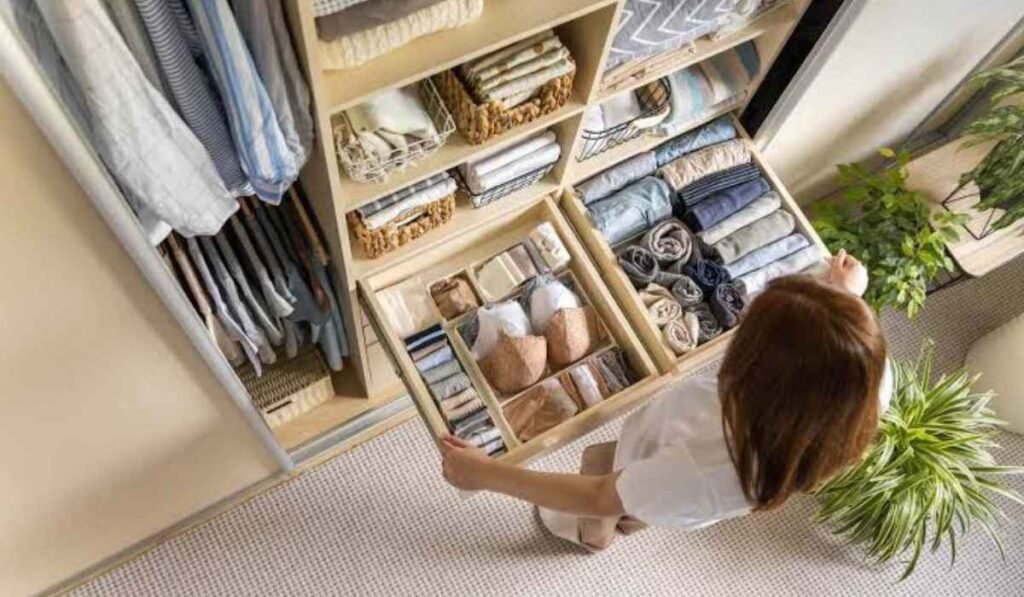
- Drawer dividers
- Shelving
- Baskets
- Small containers
- Closet organizers
- File storage
Good organization makes useful belongings easier to find. It should not simply hide things you do not need.
Use a 15-Minute Daily Decluttering Routine

If you have a busy schedule, you do not need several free hours.
A 15-minute routine can be enough to create steady progress.
Try this:
Minutes 1–5: Collect obvious trash and items that belong somewhere else.
Minutes 6–10: Sort remaining items into keep, donate, sell, and recycle or trash.
Minutes 11–15: Put away the items you are keeping and move unwanted items toward their next destination.
You can repeat this process every day or several times each week.
The important part is consistency. A short session that actually happens is more useful than a three-hour cleaning plan that you continually postpone.
Follow a Simple Weekly Decluttering Plan
A basic schedule can help you avoid wondering what to tackle next.
| Day | Suggested Area | Target |
| Monday | Kitchen drawer | Remove duplicates |
| Tuesday | Bathroom | Check unused products |
| Wednesday | Living room | Clear surfaces |
| Thursday | Bedroom | Sort one section |
| Friday | Closet | Remove unwanted clothing |
| Saturday | Storage area | Sort one small section |
| Sunday | Review | Remove donation and trash bags |
You can change the schedule based on your home and available time.
Do not measure success by the number of bags you remove. A room that becomes easier to use is a successful result, even if you only remove a few things.
What Should You Do With Unwanted Items?
Once you have decided what should leave your home, deal with those items quickly.
Donation bags should not sit beside your front door for months. Items you want to sell should be listed within a reasonable time. Recycling should be separated according to the options available in your area.
For valuable items, consider whether selling them is actually worth the effort.
Selling requires:
- Taking photographs
- Writing a listing
- Answering messages
- Negotiating
- Packaging
- Arranging delivery or pickup
If an item is worth only a small amount, donating it may save time.
How to Keep Clutter From Returning
Once you understand how to begin decluttering your home, maintenance becomes just as important as the initial cleanup.
A few simple habits can make a major difference.
Use a “one in, one out” rule for categories that tend to grow. If you buy a new jacket, consider removing one you no longer wear.
Give commonly used belongings a specific home. When something has a designated place, putting it away becomes much easier.
You can also create a small weekly reset. Walk through the house and return misplaced items, clear surfaces, and remove anything that no longer belongs.
Before buying something, pause for a moment and ask whether you actually need it.
That small habit can prevent future clutter.
How to Begin Decluttering Your Home When You Have Too Much Stuff
If your home feels extremely crowded, do not try to solve everything at once.
Focus on functionality first.
Clear a walkway. Make your kitchen counter usable. Remove clutter from the sofa. Create enough space around your bed to move comfortably.
Then continue from there.
If the project feels difficult, ask a friend or family member to help. Another person can keep you focused and make it easier to make practical decisions.
You can also divide the work across several weekends rather than treating it as one enormous project.
The goal is progress, not perfection.
FAQs
- What is the easiest way to begin decluttering your home?
- Start with one small area, such as a drawer, shelf, or bathroom cabinet, and finish it before moving elsewhere.
- How long should I spend decluttering each day?
- A focused 15 to 30 minutes can be enough to make steady progress.
- Should I declutter before organizing my home?
- Yes, removing unwanted items first prevents you from organizing things you do not actually need.
- How do I decide what to throw away when decluttering?
- Consider whether you use the item, need it, have duplicates, or would choose to buy it again today.
- How to begin decluttering your home without getting rid of sentimental belongings?
- Leave sentimental items until later and keep the belongings that have genuine personal meaning.
A cleaner home does not require a drastic lifestyle change. Start with one drawer, one shelf, or one small corner, make a few honest decisions, and let those small wins lead to the next one. The best decluttering plan is the one you can actually keep doing.






[…] goal is not to make every morning perfect. Some days will be busy, and your routine may need to […]