 admin
admin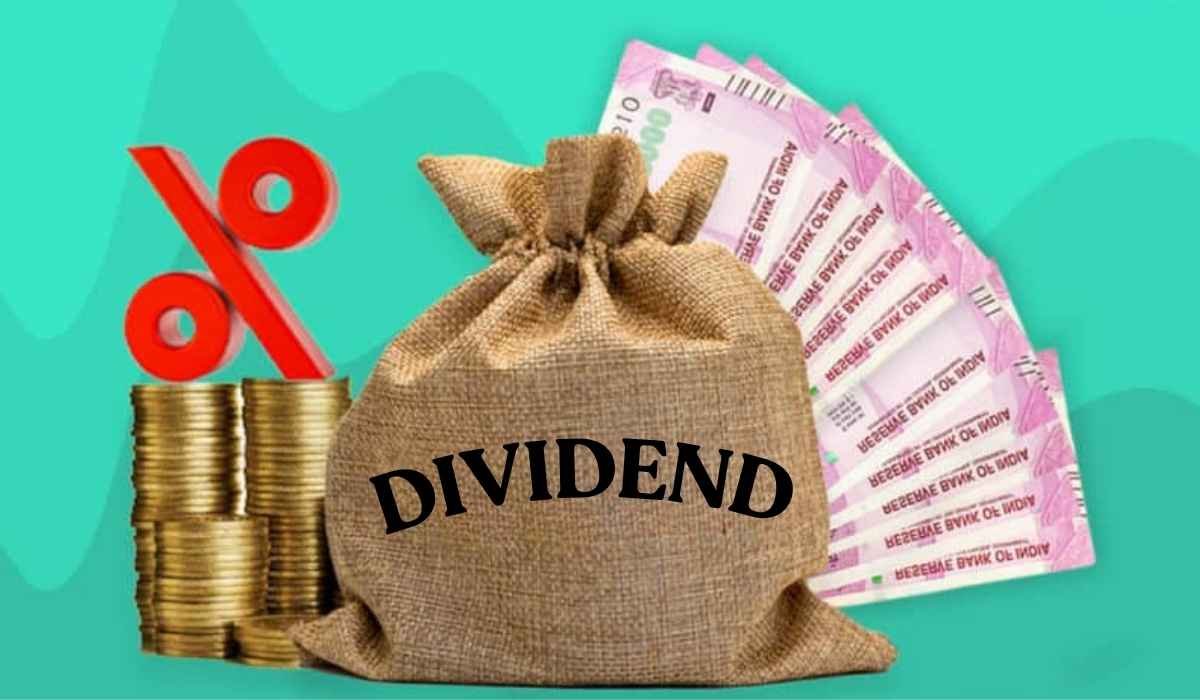
Company dividends are payments that businesses make to shareholders, usually from profits or available cash, as a way of sharing part of the company’s financial success. For investors, dividends can provide regular income while they continue to own shares.
If you are new to investing, you may wonder what are company dividends and why some stocks pay them while others do not. The basic idea is simple: when you own shares in a dividend-paying company, you may receive a portion of the money the company distributes to its shareholders.
Dividends are not guaranteed, though. A company can increase, reduce, suspend, or completely stop its dividend depending on its financial position and business plans.
What Are Company Dividends and How Do They Work?
When a company earns money, its management has several choices. It can reinvest the money into the business, pay down debt, acquire another company, buy back shares, build cash reserves, or distribute some of the money to shareholders.
A dividend is one form of that distribution.
For example, suppose you own 100 shares of a company that declares a quarterly dividend of $0.50 per share. If you qualify for the payment, your dividend would be:
100 shares × $0.50 = $50
If the company continues paying the same amount for four quarters, you would receive $200 over the year, before any applicable taxes or other adjustments.
The amount you receive depends on the number of shares you own and the dividend declared per share. Companies can also change their dividend policies over time.
Why Do Companies Pay Dividends?
Companies generally pay dividends when they believe they can return cash to shareholders without hurting their ability to operate and grow.
Mature businesses are often associated with regular dividends because they may have established operations and more predictable cash flows. Younger or rapidly growing companies may prefer to keep their cash and invest it back into expansion.
Common reasons for paying dividends include:
- Returning excess cash to shareholders
- Providing investors with regular income
- Showing confidence in the company’s financial position
- Attracting income-focused investors
- Maintaining a long-term shareholder-friendly policy
A dividend does not automatically mean a company is financially strong. Investors should examine the company’s earnings, cash flow, debt, dividend history, and future business prospects before treating a dividend as a sign of quality.
The Four Important Dividend Dates
Understanding dividend dates is one of the most important parts of learning what are company dividends.
A typical dividend announcement involves several dates.
| Dividend date | What it means |
| Declaration date | The company announces the dividend and its terms |
| Ex-dividend date | The stock begins trading without the right to the upcoming dividend |
| Record date | The company determines which shareholders are entitled to receive the payment |
| Payment date | The dividend is actually distributed to eligible shareholders |
The ex-dividend date is particularly important for investors. According to Investor.gov, if you purchase a stock on its ex-dividend date or afterward, you generally will not receive the next dividend payment. Investors who purchase before the ex-dividend date generally qualify for that payment.
The exact timing can vary depending on the type and size of the distribution, so investors should check the company’s official dividend announcement rather than relying on a general rule.
Cash Dividends vs. Stock Dividends
Not every dividend arrives as cash.
Cash dividends
Cash dividends are the most familiar type. The company pays shareholders a specified amount for each eligible share.
For example, a $1 dividend on 200 shares would produce $200 before taxes or other applicable adjustments.
Stock dividends
A company can also distribute additional shares instead of cash. Investor.gov notes that stock dividends can involve additional shares of the company or, in some circumstances, a subsidiary.
Stock distributions work differently from ordinary cash payments, so investors should carefully read the company’s announcement to understand the terms.
How Dividend Yield Works
Dividend yield helps investors compare the annual dividend with the current share price.
The basic formula is:
Dividend yield = Annual dividend per share ÷ Share price × 100
Suppose a stock pays $2 in dividends per year and trades at $40.
$2 ÷ $40 × 100 = 5%
The dividend yield would be 5%.
However, yield should not be viewed in isolation. A very high yield can sometimes indicate that the share price has fallen sharply because investors are concerned about the company’s future.
For that reason, investors often look at dividend yield alongside earnings, free cash flow, debt levels, payout ratios, and the company’s history of maintaining or increasing distributions.
What Is a Dividend Payout Ratio?

The payout ratio shows how much of a company’s earnings are being distributed as dividends.
For example, if a company earns $10 per share and pays $4 per share in dividends, its earnings-based payout ratio is 40%.
A lower or moderate payout ratio can leave the company with more money to reinvest or strengthen its balance sheet. A very high payout ratio may deserve closer attention, especially if earnings are falling.
There is no single payout ratio that is appropriate for every company or industry. Some businesses naturally have more stable cash flows than others.
Are Dividends Taxable?
Dividend taxation depends on the investor’s country, account type, and the nature of the dividend.
For U.S. taxpayers, the IRS generally distinguishes between ordinary dividends and qualified dividends. Qualified dividends can receive the same 0%, 15%, or 20% maximum tax rates that apply to net capital gains when the relevant requirements are met.
Holding period requirements can also apply. For common stock, the IRS generally requires an investor to have held the stock for more than 60 days during the relevant 121-day period surrounding the ex-dividend date for dividends to meet the qualified-dividend holding-period requirement.
Tax rules are different outside the United States, so investors should check the rules that apply to their own situation.
What Are Company Dividends Worth to Long-Term Investors?
One reason investors pay attention to what are company dividends is that dividends can become an important part of total investment returns.
An investor can potentially earn money from a stock in two main ways:
- The share price increases.
- The company distributes dividends.
Some investors choose to reinvest dividends by using them to purchase additional shares. Over many years, reinvestment can increase the number of shares owned, which may result in larger future dividend payments if the company maintains or raises its dividend.
This is one reason dividend investing is often viewed as a long-term strategy rather than simply a way to make quick income.
Still, dividends should not be treated as free money. When a company pays a cash dividend, its cash balance decreases, and the stock price can adjust around the ex-dividend date. Investor.gov specifically notes that a stock price may fall by the dividend amount around the ex-dividend date, although actual market movements can be affected by many other factors.
What Should Investors Check Before Buying Dividend Stocks?
Knowing what are company dividends is only the starting point. Before buying a dividend-paying stock, consider the strength of the business behind the payment.
Here are several useful factors to examine:
- Dividend history: Has the company consistently paid dividends?
- Dividend growth: Has the payment increased over time?
- Payout ratio: Is the company distributing a manageable portion of its earnings?
- Cash flow: Does the business generate enough cash to support its dividend?
- Debt: Could high debt make future payments harder?
- Earnings: Are profits stable or declining?
- Business outlook: Does the company have realistic opportunities for future growth?
- Valuation: Is the stock price reasonable compared with the company’s fundamentals?
A company with a lower dividend yield but strong financial health may be more attractive than a company offering an unusually high yield that it may struggle to maintain.
Are Dividends Guaranteed?
No. Dividends are not guaranteed.
A company’s board can decide to reduce or eliminate a dividend. This can happen when profits fall, cash becomes tight, debt increases, or management decides that reinvesting money into the business is a better use of capital.
That is why investors should avoid choosing a stock simply because its dividend yield looks attractive.
A sustainable dividend generally depends on the company’s ability to generate enough earnings and cash over time.
What Are Company Dividends Compared With Stock Buybacks?
Dividends are not the only way companies return money to shareholders.
With a dividend, eligible shareholders receive a distribution, normally in cash. With a share buyback, the company uses money to purchase its own shares from the market.
Buybacks can reduce the number of shares outstanding, potentially increasing each remaining shareholder’s percentage ownership of the company.
Neither method is automatically better. The right choice depends on the company’s valuation, cash needs, growth opportunities, tax considerations, and overall capital allocation strategy.
A Simple Example of Dividend Investing
Imagine an investor buys 50 shares of a company at $60 per share.
The investment costs:
50 × $60 = $3,000
The company pays an annual dividend of $2 per share.
The investor would receive:
50 × $2 = $100 per year
If the dividend remains unchanged and the investor continues to own the shares, that payment could provide a recurring source of investment income.
If the company later raises its dividend to $2.20 per share, the annual payment on the same 50 shares would become $110.
The example is deliberately simple. Real investments involve taxes, changing share prices, dividend changes, and other risks.
Common Dividend Mistakes to Avoid
New investors can make several mistakes when focusing on dividends.
Buying only for the yield: A high yield can sometimes signal that the market expects trouble.
Ignoring the business: A dividend is only as sustainable as the company’s financial ability to fund it.
Chasing the next payment: Buying a stock simply to capture one dividend can expose investors to price movements and other risks.
Forgetting taxes: Dividend income may create a tax liability depending on the investor’s circumstances.
Assuming past payments are guaranteed: A strong dividend history does not promise future payments.
The better approach is to treat the dividend as one part of a broader investment analysis.
FAQs About Company Dividends
- What are company dividends?
- Company dividends are distributions that businesses make to eligible shareholders, commonly in cash and sometimes in shares.
- How often do companies pay dividends?
- Many dividend-paying companies distribute dividends quarterly, although payment schedules vary by company and market.
- Do you have to hold a stock until the payment date to receive a dividend?
- Generally, an investor who purchases the stock before the applicable ex-dividend date can qualify even if the shares are sold before the payment date, subject to the specific rules for that distribution.
- Can a company stop paying dividends?
- Yes, a company can reduce, suspend, or eliminate its dividend based on its financial condition and business decisions.
- Are dividends always taxable?
- No, tax treatment varies by country, account type, and dividend classification, and some U.S. dividends may qualify for preferential tax rates when requirements are met.
Understanding what are company dividends gives investors a useful foundation for evaluating income-producing stocks. The key is to look beyond the payment itself and examine the business, its cash flow, financial health, valuation, and ability to support distributions over the long term.
A dividend can be a valuable part of an investment strategy, but the strongest decision usually comes from understanding why a company can afford to pay it, not simply how much it pays.