 admin
admin
What you eat after exercise can help your body repair muscle, restore energy, and prepare for your next workout.
Training creates stress on your muscles. Your body then needs protein to support muscle repair and carbohydrates to help replace stored energy. Fluids and electrolytes can also matter, especially after long, intense, or sweaty workouts.
So, what to eat after workout for muscle recovery depends on the type of exercise you did, how hard you trained, how long the session lasted, and what you plan to do next.
You do not need an expensive supplement or complicated meal. A balanced meal or snack containing protein and carbohydrates is often enough.
Why Post-Workout Nutrition Matters
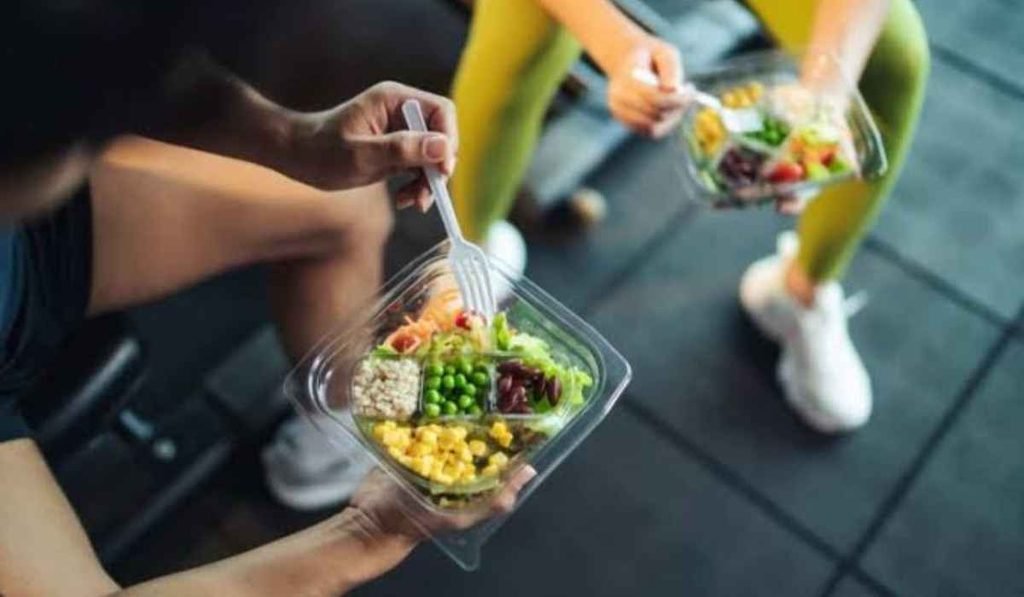
Exercise uses energy and places a temporary load on muscle tissue. Eating afterward gives your body nutrients that support recovery.
Protein provides amino acids that help repair and build muscle proteins. Carbohydrates help restore muscle glycogen, which is an important fuel source during exercise.
Post-workout nutrition is especially useful when:
- You train regularly.
- Your workouts are long or intense.
- You are trying to build or maintain muscle.
- You exercise again within the same day.
- You have another demanding session the following day.
- You had little food before exercising.
For general fitness, you do not need to rush into a meal the second your workout ends. Your overall nutrition across the day matters more than obsessing over a narrow post-workout window.
What to Eat After Workout for Muscle Recovery
A good post-workout meal usually combines protein, carbohydrates, fluids, and nutrient-rich foods.
Good protein choices include:
- Eggs
- Greek yogurt
- Milk
- Chicken
- Turkey
- Fish
- Lean beef
- Cottage cheese
- Tofu
- Beans and lentils
- Soy foods
Good carbohydrate choices include:
- Rice
- Potatoes
- Oats
- Whole-grain bread
- Pasta
- Fruit
- Beans
- Whole-grain cereals
You can combine these foods in many simple ways.
For example, grilled chicken with rice and vegetables provides protein, carbohydrates, and important vitamins and minerals. Greek yogurt with berries and oats is another quick option.
How Much Protein Do You Need?
Protein is one of the most important nutrients for muscle recovery.
For people who exercise regularly, the International Society of Sports Nutrition has stated that a daily protein intake around 1.4 to 2.0 grams per kilogram of body weight is generally sufficient for building and maintaining muscle. Higher intakes may sometimes be useful during calorie restriction.
Your daily total matters more than one meal.
For example, a 70 kg person might aim for roughly 98 to 140 grams of protein across the day if they are training regularly.
That does not mean you need to eat all of it after your workout.
Spread Protein Across the Day
Instead of having most of your protein at dinner, try distributing it across several meals.
A simple pattern could look like:
- Breakfast: eggs and yogurt
- Lunch: chicken, rice, and vegetables
- Snack: milk and fruit
- Dinner: fish, potatoes, and vegetables
This approach can make it easier to reach your daily protein target without relying heavily on supplements.
What to Eat After Workout for Muscle Recovery When You Want Carbs
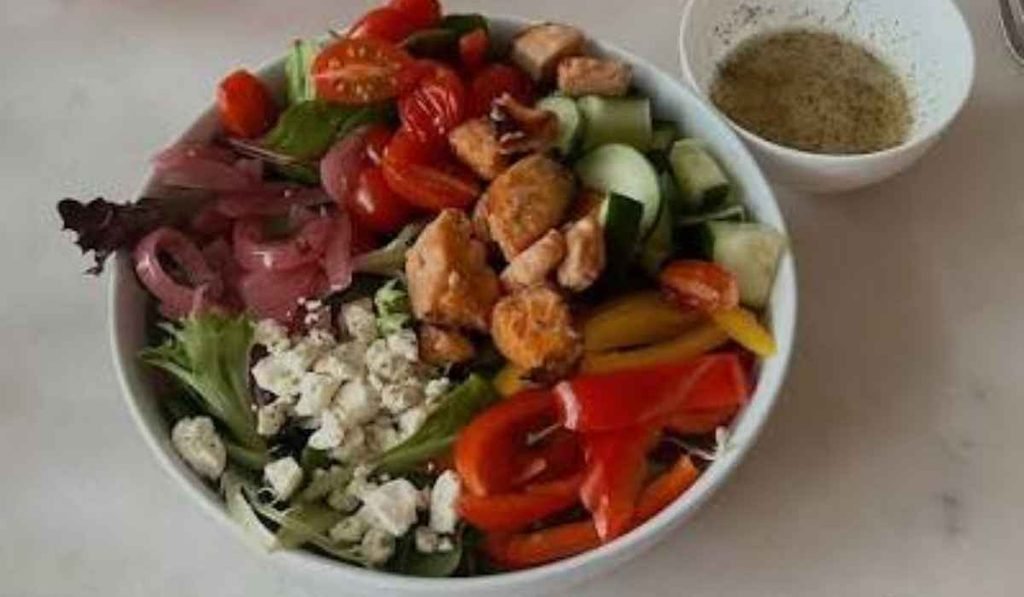
Carbohydrates are particularly useful after workouts that use a lot of stored muscle glycogen.
This includes activities such as:
- Running
- Cycling
- Soccer
- Basketball
- Swimming
- High-volume strength training
- Long endurance sessions
- Multiple workouts in one day
If you have several hours before your next workout, you can simply eat a normal balanced meal.
If you need to recover quickly for another demanding session, carbohydrate intake becomes more important. Sports nutrition guidance supports higher carbohydrate intake when rapid glycogen restoration is needed between strenuous exercise sessions.
Easy Post-Workout Carbohydrate Foods
You can get carbohydrates from everyday foods such as:
- Bananas
- Apples
- Berries
- Rice
- Potatoes
- Oats
- Bread
- Pasta
- Corn
- Beans
There is no requirement to use a sports drink or special recovery product for an ordinary workout.
Best Foods for Muscle Recovery

Different foods provide different combinations of nutrients.
| Food | Main recovery benefit | Easy way to use it |
| Eggs | Protein and nutrients | Omelet with toast |
| Greek yogurt | Protein and carbohydrates | Add fruit and oats |
| Chicken | High-quality protein | Serve with rice |
| Salmon | Protein and healthy fats | Pair with potatoes |
| Milk | Protein and carbohydrates | Drink with a banana |
| Lentils | Protein and carbohydrates | Add to rice or soup |
| Tofu | Plant-based protein | Stir-fry with vegetables |
| Oats | Carbohydrates and some protein | Mix with yogurt and fruit |
| Potatoes | Carbohydrates | Add chicken or eggs |
| Banana | Easy carbohydrate source | Pair with yogurt or milk |
The best choice is often the one you enjoy, tolerate well, and can prepare consistently.
What to Eat After Workout for Muscle Recovery If You Are Vegetarian
You do not need meat to support muscle recovery.
Vegetarian and plant-based diets can provide plenty of protein when meals are planned well.
Useful options include:
- Greek yogurt
- Milk
- Eggs
- Cottage cheese
- Tofu
- Tempeh
- Lentils
- Chickpeas
- Beans
- Soy milk
- Peas
Plant-based athletes should pay attention to total protein intake and the variety of protein sources in their diet.
A simple meal could be tofu with rice and vegetables. Another option is lentils with potatoes and yogurt.
What to Eat After a Hard Strength Workout
Strength training creates a strong stimulus for muscle protein synthesis, particularly when sufficient protein is available.
After lifting weights, choose a meal or snack containing a quality protein source and, depending on your overall diet and training demands, a carbohydrate source.
Examples include:
Chicken and Rice Bowl
Combine grilled chicken, rice, vegetables, and a simple sauce.
Eggs and Toast
Two or more eggs with whole-grain toast and fruit can make a quick meal.
Greek Yogurt Bowl
Mix Greek yogurt with oats, banana, berries, or another fruit.
Tofu Rice Bowl
Add tofu, rice, vegetables, and a light sauce for a plant-based option.
The meal does not need to be perfect. Consistently meeting your nutritional needs is more important.
What to Eat After Cardio or Endurance Training
Long cardio sessions can increase your need for carbohydrates and fluids.
If you have just completed a long run, cycling session, or sports practice, a meal containing carbohydrates and protein can help replenish energy stores and support muscle repair.
For example:
Option 1: Rice + grilled chicken + vegetables
Option 2: Potato + eggs + fruit
Option 3: Oatmeal + milk + banana + yogurt
Option 4: Pasta + lean meat + vegetables
If you have been sweating heavily, replace fluids and electrolytes as needed. Sodium losses vary greatly between people, so there is no single electrolyte amount that works for everyone.
Do You Need a Protein Shake After Exercise?
A protein shake can be convenient, but it is not required.
If you can eat a normal meal or snack after training, whole foods are perfectly suitable.
A shake may be useful when:
- You have little time to prepare food.
- You struggle to eat enough protein.
- You are traveling.
- You have another activity soon.
- You have a low appetite after exercise.
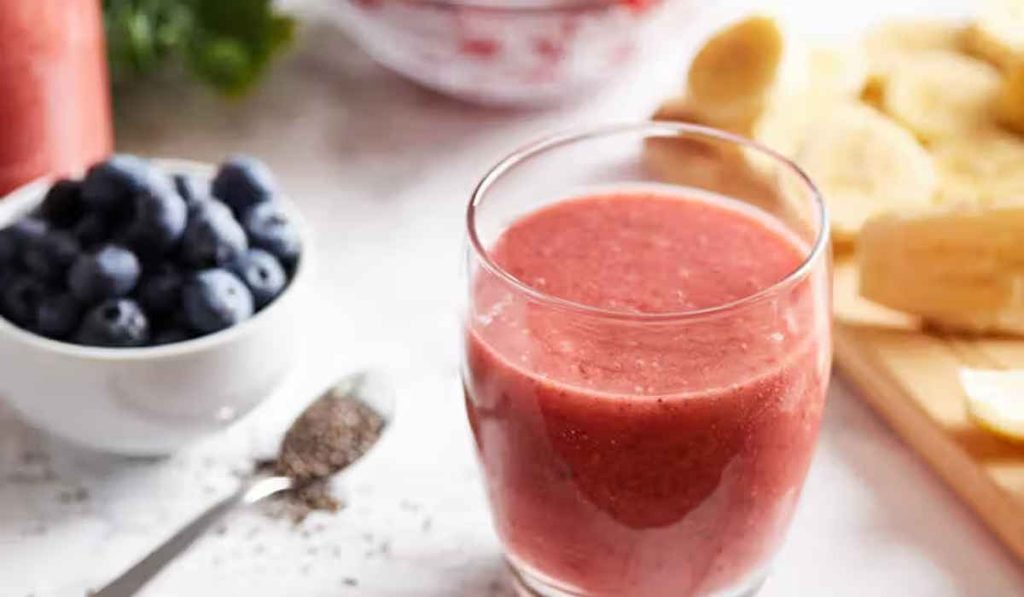
A simple shake could contain milk or a fortified plant milk, yogurt or protein powder, banana, and oats.
Think of protein powder as a convenient food option rather than a requirement for muscle growth.
What About the Post-Workout “Anabolic Window”?
You may have heard that you must consume protein immediately after your workout or you will lose your chance to build muscle.
The reality is less dramatic.
Research supports the importance of protein intake around resistance exercise, but the total amount of protein consumed throughout the day is a major factor. The ISSN notes that protein intake before or after training can support muscle protein synthesis, while the overall daily protein intake remains important.
If you ate a protein-rich meal before exercising, you do not necessarily need to panic about eating within minutes of finishing.
For most people, focus on having a balanced meal or snack within a reasonable period after training.
Hydration Is Part of Recovery
Food gets most of the attention, but fluids matter too.
Sweating causes water loss, and heavy sweating can also reduce electrolytes such as sodium.
After a normal workout, drinking water and eating regular meals may be enough.
After prolonged or very sweaty exercise, you may need more deliberate fluid and electrolyte replacement.
A useful approach is to:
- Drink fluids throughout the day.
- Drink during longer workouts when needed.
- Replace fluids after heavy sweating.
- Include normal meals containing sodium and other minerals.
Do not force excessive amounts of water. Your fluid needs depend on your body size, activity, environment, sweat rate, and workout duration.
Common Post-Workout Eating Mistakes
Even people who train regularly can make recovery harder with simple nutrition mistakes.
Skipping Protein
If your meals consistently contain very little protein, you may struggle to reach an adequate daily intake.
Eating Only Protein
Protein matters, but carbohydrates can also help restore energy after demanding workouts.
Relying Completely on Supplements
Supplements can be convenient, but they should not replace a balanced diet.
Forgetting Fluids
Heavy sweating without replacing enough fluid can affect how you feel after exercise.
Eating Far Too Little
If you train hard while consistently undereating, recovery and performance can suffer.
Obsessing Over Exact Timing
A good overall diet is more important than trying to eat a perfect meal at an exact minute after every workout.
A Simple Post-Workout Recovery Formula
If you are unsure what to eat after workout for muscle recovery, use a simple formula:
Protein + carbohydrates + fluids + nutrient-rich foods
For example:
Breakfast-style: Eggs + whole-grain toast + fruit + milk
Lunch-style: Chicken + rice + vegetables + water
Snack: Greek yogurt + banana + oats
Vegetarian: Lentils + rice + yogurt + vegetables
Plant-based: Tofu + potatoes + vegetables + fortified soy milk
This makes post-workout nutrition much easier than trying to follow a complicated meal plan.
How to Choose the Right Post-Workout Meal
Your best meal depends on your workout and your goals.
If you are trying to build muscle, prioritize adequate total calories and protein.
If you are trying to lose body fat, you can still eat protein and carbohydrates after training while managing your overall calorie intake.
If you are training for endurance, carbohydrates may become more important, especially around longer sessions.
If you exercise casually for general health, a normal balanced meal is usually enough.
Your age, body size, training schedule, dietary preferences, and health needs can also change what works best.
FAQs
- What is the best food to eat after a workout for muscle recovery?
- A meal containing protein and carbohydrates, such as chicken with rice or Greek yogurt with fruit and oats, is a strong option.
- How soon should I eat after a workout?
- You do not usually need to eat immediately, but having a balanced meal or snack within a reasonable period after training can support recovery.
- Do I need protein shakes for muscle recovery?
- No, protein shakes are optional and mainly provide a convenient way to increase protein intake.
- Should I eat carbs after lifting weights?
- Carbohydrates can help restore glycogen and are especially useful when training volume is high or another workout is coming soon.
- What should I drink after a workout?
- Water is usually suitable for normal workouts, while longer or very sweaty sessions may require additional electrolytes.
A good recovery meal does not need to look like a fitness influencer’s plate. Start with a quality protein source, add carbohydrates when your body needs them, drink enough fluids, and include nutritious whole foods. When those basics become part of your routine, recovery becomes much simpler.