
 admin
admin
How to price vintage items for resale becomes much easier when you stop guessing and start comparing real market data, condition, rarity, demand, and your total selling costs.
A vintage item does not have one fixed value. The same jacket, watch, lamp, toy, or piece of furniture can sell for very different amounts depending on where it is listed, how well it is presented, and what buyers are willing to pay at that moment.
For resellers, the goal is not simply to find the highest possible price. It is to find a price that attracts buyers while leaving enough profit after expenses.
What Determines the Value of a Vintage Item?
The first step in learning how to price vintage items for resale is understanding the factors that influence value.
Age matters, but it is only one part of the picture. A 70-year-old item with little demand may be worth less than a 20-year-old designer piece that collectors actively seek.
The main factors include:
- Brand or maker: Recognized names often attract more buyers.
- Rarity: Limited production can increase demand.
- Condition: Excellent condition usually supports a higher price.
- Age: Certain periods or eras are more collectible.
- Material: Leather, sterling silver, wool, solid wood, and other quality materials can affect value.
- Provenance: A documented history can make certain items more desirable.
- Style: Fashion and interior design trends can influence demand.
- Completeness: Original boxes, tags, accessories, or matching pieces can add value.
- Market demand: What buyers actually purchase matters more than what sellers hope to receive.
Think of these factors as pieces of the same puzzle. One strong feature does not automatically make an item expensive.
Research Sold Prices Before Setting Your Listing Price

One of the biggest mistakes new resellers make is looking only at current listings.
An active listing shows what another seller wants to receive. It does not necessarily show what buyers are paying.
When possible, research completed or sold transactions on marketplaces such as eBay. Search for items that closely match yours and compare several examples.
Look at:
- Brand and model
- Approximate production period
- Condition
- Color
- Size
- Material
- Accessories
- Final selling price
Try to find at least five comparable sales.
If similar items consistently sell between $60 and $80, that range is more useful than one seller asking $150.
This is one of the most important rules in how to price vintage items for resale: use real transactions to establish a market range whenever possible.
Check the Condition Carefully
Condition can have a major effect on resale value.
Before choosing a price, inspect the item under good lighting. Look for flaws that a buyer would notice after receiving it.
Check for:
- Stains
- Tears
- Cracks
- Scratches
- Rust
- Fading
- Missing buttons
- Broken zippers
- Chipped surfaces
- Odors
- Previous repairs
- Replaced parts
- Missing accessories
Do not hide defects in your listing.
Honest descriptions protect your reputation and can reduce disputes and returns. If a flaw is minor, photograph it clearly and explain it.
For vintage clothing, measurements are especially important. Older sizing can be very different from modern sizing, so include measurements such as chest, waist, sleeve length, shoulder width, and garment length when appropriate.
How Rarity Affects Vintage Pricing
Rarity sounds simple, but it is often misunderstood.
An item can be difficult to find and still have little resale value if buyers do not want it.
True pricing power usually comes from a combination of rarity and demand.
Look for evidence such as:
- Few comparable pieces available
- Strong sold-price history
- Active collector interest
- Limited production
- Discontinued models
- Unusual colors or patterns
- Original packaging
- Recognized designers or manufacturers
For example, a common vintage camera may have a modest resale value, while a rare model with original accessories and strong collector demand may command much more.
Do not label something “rare” simply because you cannot find it during a quick search. Research its production history when possible.
How to Price Vintage Items for Resale Using Your Costs
Market value tells you what buyers may pay, but your costs tell you whether the sale is profitable.
Use this basic formula:
Sale price − purchase cost − marketplace fees − shipping − packaging − repairs = estimated profit
Consider a vintage lamp purchased for $20.
You spend $8 cleaning it and repairing a small issue. Packaging and shipping cost you another $15, while marketplace and payment fees total $10.
If it sells for $90:
$90 − $20 − $8 − $15 − $10 = $37 estimated profit
The $70 difference between the purchase price and sale price is not your actual profit.
This calculation helps you avoid buying items that look profitable but become disappointing after expenses.
Use a Pricing Range Instead of One Number
Experienced resellers often think in ranges.
| Pricing Level | Example Price | Best Use |
| Quick-sale price | $55 | Moving inventory quickly |
| Competitive price | $70 | Normal selling conditions |
| Premium price | $85 | Strong condition or demand |
| High-test price | $100+ | Rare or highly desirable item |
These numbers are only examples. Your actual range should come from comparable sales.
If you need cash or storage space, a lower price may make sense. If your item is rare and you are comfortable waiting, testing a higher price may be reasonable.
The important point is that pricing is a strategy, not a permanent decision.
Price Vintage Clothing Differently From Collectibles
Different categories have different pricing signals.
Vintage Clothing
Look closely at:
- Brand label
- Tag style
- Fabric
- Stitching
- Country of manufacture
- Measurements
- Condition
- Era
- Current fashion demand
A vintage garment with a popular silhouette may sell faster than a similar garment from the same decade.
Vintage Furniture
Furniture pricing also depends heavily on local demand because shipping can be expensive.
Consider:
- Construction quality
- Wood type
- Designer or maker
- Original hardware
- Restoration
- Size
- Local demand
- Condition
For large pieces, Facebook Marketplace and local sales can sometimes make more financial sense than shipping nationwide.
Vintage Collectibles
For toys, cameras, games, watches, and similar products, completeness can matter enormously.
Original packaging, manuals, accessories, and working condition may change the value considerably.
Compare Multiple Marketplaces
Learning how to price vintage items for resale also means understanding where your customers shop.
| Marketplace | Strong Categories | Main Pricing Consideration |
| eBay | Collectibles, clothing, electronics | Sold listings and broad demand |
| Etsy | Vintage fashion and decor | Niche audience and presentation |
| Depop | Vintage fashion and Y2K | Style and fashion demand |
| Facebook Marketplace | Furniture and local goods | Local competition and pickup |
| Specialty marketplaces | Collectibles and luxury goods | Specialist buyer demand |
Marketplace fees can reduce your final payout.
eBay states that selling fees vary by category and that final value fees generally include a percentage of the sale plus a per-order fee.
Etsy also charges listing and transaction fees, along with other possible fees depending on how a sale is processed or promoted.
Check each platform’s current seller fee schedule before calculating your minimum acceptable price.
Calculate Your Minimum Price
Every reseller should know the lowest amount they can accept without losing money.
Start with:
Purchase cost + selling expenses + desired minimum profit = minimum target
For example:
- Purchase price: $25
- Cleaning: $5
- Packaging: $3
- Estimated marketplace fees: $10
- Desired profit: $30
Your target would be at least:
$25 + $5 + $3 + $10 + $30 = $73
You might list it at $85 or $90 if comparable sales support that amount, giving yourself some room for negotiation.
This approach is much safer than choosing a price based only on emotion.
Consider Your Time When Pricing
Your time is another business expense.
Imagine you find two vintage items.
Item A costs $10, sells for $45, and takes 15 minutes to prepare.
Item B costs $15, sells for $70, but requires two hours of cleaning, repair, research, and listing work.
Item B generates more gross profit, but Item A may be more efficient.
Track how much time you spend sourcing, cleaning, photographing, researching, listing, packing, and handling customer questions.
Over time, you can identify which categories produce the best return for your effort.
Improve Your Listing Before Cutting the Price
A slow sale does not always mean the price is too high.
Your listing may have another problem.
Before reducing your price, check:
- Are the photos bright and clear?
- Is the title specific?
- Are measurements included?
- Is the brand easy to identify?
- Have you explained flaws?
- Are shipping costs reasonable?
- Does the description include useful search terms?
- Are comparable sellers priced lower?
A weak listing can make a reasonably priced product look expensive.
Improving presentation may produce a better result than immediately offering a discount.
Watch Buyer Behavior
Your listing performance gives you clues.
If an item receives almost no views, the problem may be the title, category, keywords, or photos.
If it receives lots of views but no offers, price could be an issue.
If buyers quickly send multiple offers, you may have priced too aggressively on the low side.
Keep records of:
- Listing date
- Original price
- Views
- Saves or favorites
- Offers
- Final sale price
- Days until sale
- Net profit
This creates your own pricing history.
After selling dozens or hundreds of items, your records can become a valuable reference for future purchases.
Understand the Legal and Tax Side
Reselling vintage goods can become a real business, even if you start with a few items.
Keep records of:
- Purchase receipts
- Marketplace fees
- Shipping
- Packaging
- Repairs
- Cleaning supplies
- Advertising
- Refunds
- Sales revenue
In the United States, the IRS says income from selling goods or services can be taxable, and sellers should maintain appropriate records. The tax treatment can depend on whether an activity is a business, hobby, or personal sale.
Marketplace reporting rules should not be confused with whether income is taxable.
If you sell in another country, check the tax and business rules that apply where you live.
You should also avoid counterfeit products and unsupported claims about an item’s age, authenticity, designer, or materials. If authenticity cannot be established, describe the item carefully instead of presenting an assumption as fact.
A Practical Pricing Workflow for 2026
If you want a repeatable system for how to price vintage items for resale, use this process for every valuable piece:
Step 1: Identify the brand, model, era, or maker.
Step 2: Research at least five comparable sold items.
Step 3: Grade your item’s condition honestly.
Step 4: Check whether accessories, tags, boxes, or original parts are included.
Step 5: Calculate purchase and selling expenses.
Step 6: Establish your minimum acceptable price.
Step 7: Set a competitive starting price based on market evidence.
Step 8: Monitor views, offers, and sales.
Step 9: Adjust the price if the market gives you a clear signal.
This system reduces guesswork and helps you make better buying decisions before money is spent.
Five Common Pricing Mistakes
Avoid these mistakes when selling vintage goods:
- Copying the highest active listing: An expensive unsold listing is not proof of value.
- Ignoring condition: Small defects can have a large effect on buyer interest.
- Forgetting fees: Gross sales do not equal profit.
- Overusing the word “rare”: Buyers can quickly lose trust when claims are unsupported.
- Never changing your price: Markets change, and old inventory can tie up your money.
The best price is not necessarily the highest number you can put on a listing. It is the number that balances buyer demand, your costs, and the time you are willing to wait.
FAQs
- What is the best way to price vintage items for resale?
- Research comparable sold items and then adjust the price for condition, rarity, demand, fees, and your desired profit.
- Should I use active listings to determine the value of vintage items?
- Active listings can provide useful context, but completed or sold transactions are stronger evidence of what buyers actually paid.
- How much should I mark up a vintage item for resale?
- There is no universal markup because the appropriate price depends on market demand, costs, condition, competition, and your target profit.
- Does the age of a vintage item make it more valuable?
- Age can contribute to value, but rarity, condition, brand, style, and current buyer demand are often more important.
- When should I lower the price of a vintage item?
- Consider lowering it when comparable items sell for less or your listing receives sustained attention without serious offers after you have ruled out presentation problems.
Pricing vintage items becomes much less stressful once you stop treating it as a guessing game. Research the market, know your costs, describe the item honestly, and pay attention to what buyers actually do.
The more pieces you sell, the better your own records will become. Eventually, you will start recognizing profitable price ranges almost as quickly as you recognize a good vintage find.
For business inquiries, feedback, or guest post opportunities, contact timesstock1@gmail.com.



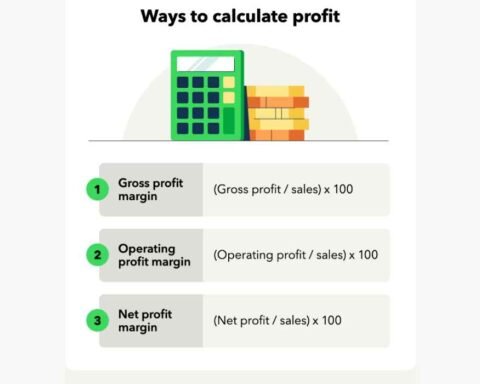




[…] is why how to calculate resale profit margins should involve the full cost of selling an item, not just the wholesale […]