
 admin
admin
If you are wondering How do I start decluttering my house, begin with one small area instead of trying to clean every room at once. Decluttering works best when you make simple decisions, remove obvious unwanted items, and build momentum over time.
A cluttered home can make everyday tasks feel harder. Counters disappear under piles of things, closets become difficult to use, and rooms can feel crowded even when there is plenty of space. The good news is that you do not need an entire weekend, expensive storage products, or a perfect plan to get started.
You need a clear starting point and a willingness to make decisions about what deserves space in your home.
How Do I Start Decluttering My House Without Feeling Overwhelmed?
The easiest way to begin is to choose a small, visible area that you can finish in one session. A kitchen counter, bathroom cabinet, entryway shelf, or single drawer is a better starting point than an entire bedroom.
When deciding where to begin, ask yourself:
- Which area bothers me the most?
- Can I finish it in 20 to 30 minutes?
- What items are clearly trash or no longer useful?
- Which things do I use regularly?
- What items are taking up space without serving a purpose?
Starting small gives you a quick result. That result can make the next area feel much easier.
A useful rule is to avoid taking everything out of a large room at once. If you empty an entire closet without enough time to finish, you may end up with an even bigger mess.
Start With Four Simple Categories
One of the easiest ways to organize the decluttering process is to create four categories:
| Category | What to Put There | What to Do |
| Keep | Items you use or genuinely need | Put them back neatly |
| Donate | Useful items you no longer want | Place them in a donation bag |
| Sell | Valuable items worth selling | Set a deadline to list them |
| Trash/Recycle | Broken or unusable items | Dispose of them properly |
You can use boxes, bags, or separate piles for these categories. Labeling them helps you avoid mixing decisions together.
Try not to create a large “maybe” pile. Keeping too many undecided items can make the process drag on. If you are unsure about something, ask when you last used it and whether you would buy it again today.
Declutter One Room at a Time
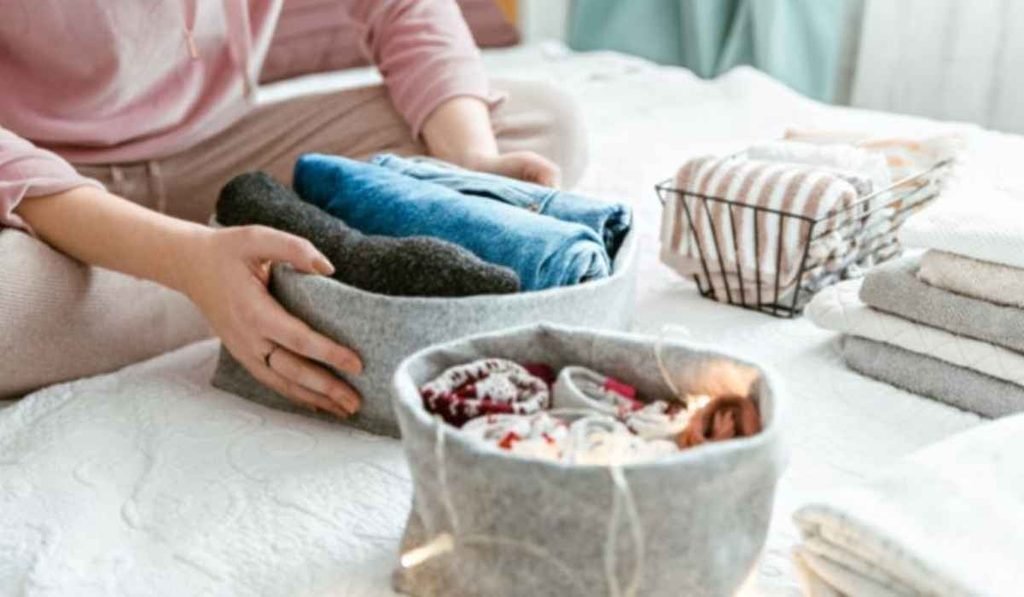
Once you have completed a small area, move through your home in a logical order.
A practical sequence is:
- Entryway
- Kitchen
- Living room
- Bathroom
- Bedroom
- Closets
- Garage, basement, attic, or storage areas
This approach makes the project easier to track. You can also choose rooms based on your lifestyle. If your kitchen is causing the most daily frustration, start there.
When asking How do I start decluttering my house, remember that there is no universal room order. The best starting point is the place where removing clutter will make your daily life easier.
Use the One-Year Rule Carefully
A common decluttering question is whether you should keep something you have not used for a long time.
For ordinary household items, the one-year rule can be useful: if you have not used something during the past year and there is no clear future need for it, consider letting it go.
However, this rule should not be applied blindly.
You may want to keep:
- Important legal or financial documents
- Seasonal equipment
- Emergency supplies
- Sentimental family items
- Specialized tools you use occasionally
- Items needed for planned repairs or events
The goal is not to own as little as possible. The goal is to make your home easier to use.
Ask Better Questions About Your Belongings
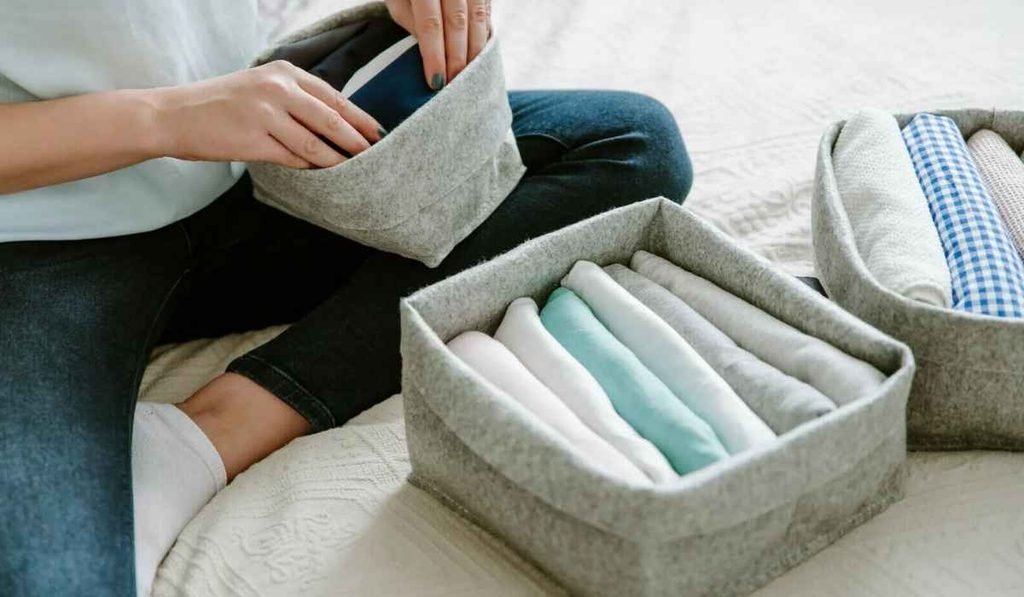
When an item is difficult to remove, asking better questions can make the decision easier.
Instead of asking, “Could I use this someday?” ask:
- Have I used this recently?
- Does this item solve a real problem?
- Do I own something else that does the same job?
- Would I spend money on this item today?
- Is it worth the space it occupies?
- Am I keeping it because I need it or because I feel guilty?
- Would someone else get more use from it?
These questions shift your focus from the object’s possible future use to its actual value in your life.
Decluttering Clothes Without Regret
Clothing can be one of the hardest categories because people often keep things for sentimental reasons or because they hope to wear them someday.
Take everything from one clothing category at a time rather than emptying your entire wardrobe.
For each item, consider:
- Does it fit comfortably?
- Have I worn it recently?
- Is it damaged beyond reasonable repair?
- Do I feel comfortable wearing it?
- Do I have similar pieces I prefer?
- Would I choose this item if I were shopping today?
Keep clothing that fits your current life rather than a lifestyle you may have had years ago.
If you have expensive or valuable clothing you no longer wear, selling it may make sense. Set a realistic deadline, though. If it remains unlisted for weeks or months, donating it may be the better choice.
Handle Sentimental Items Last
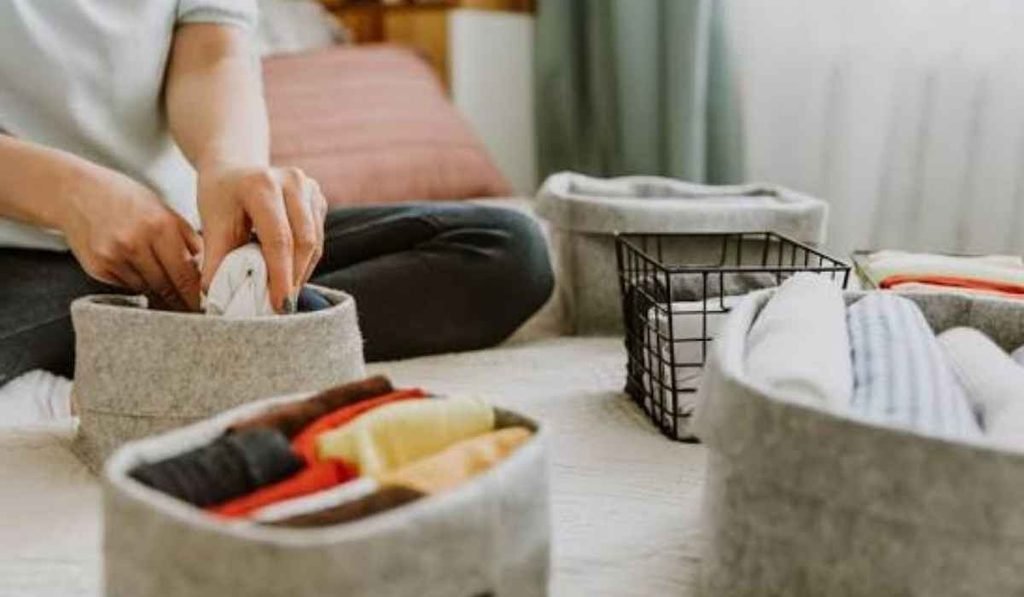
Sentimental belongings can slow down the entire process. That is why they are often better saved until you have built confidence with easier decisions.
Photos, letters, childhood belongings, gifts, and family objects can carry real emotional value. Decluttering does not mean throwing away everything that reminds you of someone.
Instead, consider keeping the most meaningful pieces.
You can also:
- Photograph large sentimental objects
- Keep a small memory box
- Digitize old photographs
- Combine several small items into one collection
- Share meaningful belongings with family members
The question is not whether an object has a story. The question is whether you need to keep the physical object to preserve that story.
Try a 15-Minute Decluttering Routine
If you do not have much free time, use short sessions.
Set a timer for 15 minutes and choose one small task. For example, clean one drawer, sort one shelf, or remove expired products from a bathroom cabinet.
A simple routine could look like this:
| Time | Task |
| 5 minutes | Collect obvious trash |
| 5 minutes | Sort items into keep, donate, sell, or recycle |
| 5 minutes | Put the keep items where they belong |
Doing this once a day can create noticeable changes without turning decluttering into an exhausting project.
If you have more time, extend the session to 30 or 45 minutes. Stop before you become too tired to make sensible decisions.
What Should You Get Rid of First?
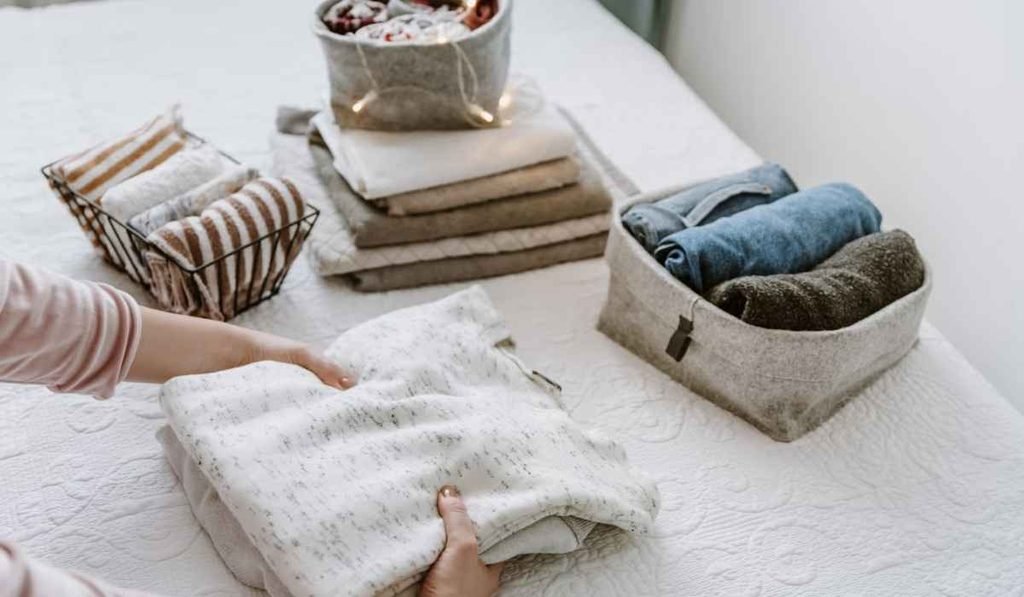
When you are unsure where to begin, look for items that are easy to identify.
Start with:
- Expired food
- Empty containers
- Broken household items
- Duplicate products
- Old packaging
- Clothes that no longer fit
- Unused promotional items
- Outdated paperwork that is safe to discard
- Items you intended to repair but never did
These decisions usually require less emotional energy.
After removing obvious clutter, you can move on to more difficult categories.
Avoid Buying Storage Before Decluttering
One common mistake is buying containers before deciding what you actually need to keep.
Storage can hide clutter without solving the underlying problem. If you have 50 items you do not use, putting them into five attractive boxes does not make the home less cluttered.
Declutter first. Organize second.
Afterward, you can determine whether you actually need shelves, baskets, drawer dividers, or other storage solutions.
The right storage system should make frequently used items easier to access, not simply give unwanted belongings another place to hide.
Create a Simple Decluttering Schedule
If you are still asking How do I start decluttering my house, create a schedule that fits your normal routine instead of waiting for a perfect free day.
For example:
Monday: One kitchen drawer
Tuesday: Bathroom cabinet
Wednesday: Entryway
Thursday: Living room shelf
Friday: Bedroom surface
Saturday: Clothing category
Sunday: Rest or remove donation items
You do not have to follow this exact schedule. The important part is creating regular progress.
A home does not become clutter-free because of one massive cleaning session. Small decisions repeated consistently can have a much bigger effect.
What to Do With Items You Remove
Once you have finished sorting, do not let donation and recycling bags sit around for weeks.
Give each category a clear next step.
Donate usable items to an appropriate local organization. Sell valuable belongings if the expected return is worth your time. Recycle materials through suitable local programs when available. Dispose of damaged or unsafe items according to local rules.
For items you plan to sell, give yourself a deadline. If something is not worth photographing, listing, packaging, and eventually shipping, donating it may save more time than selling it.
How to Keep Your House Decluttered
After learning How do I start decluttering my house, the next challenge is preventing the clutter from returning.
A few simple habits can help:
- Put things back after using them.
- Avoid buying duplicates.
- Follow a one-in, one-out rule for some categories.
- Deal with mail soon after bringing it inside.
- Keep donation bags in an accessible place.
- Review closets every few months.
- Avoid keeping items simply because they were free.
- Give every frequently used item a specific home.
Before buying something new, pause and ask whether you have somewhere to store it and whether it solves a real need.
This small pause can prevent many future clutter problems.
How Do I Start Decluttering My House When I Have Too Much Stuff?
If your home feels extremely cluttered, lower the goal at first. You do not need to organize everything immediately.
Focus on creating one usable space.
Clear a kitchen counter so you can prepare meals. Clear the sofa so you can sit comfortably. Clear a walkway so you can move safely through a room.
Once one area becomes functional, move to the next.
You may also want to work with a friend or family member if decision-making feels difficult. Another person can help you stay focused, carry donation bags, or provide an outside perspective.
The most important thing is to keep moving rather than waiting for motivation to appear.
FAQs About Starting to Declutter Your House
- How do I start decluttering my house if I feel overwhelmed?
- Start with one small area that can be completed in about 15 to 30 minutes.
- What should I declutter first?
- Begin with obvious trash, broken items, duplicates, expired products, and belongings you no longer use.
- Should I organize or declutter first?
- Declutter first so you only spend time organizing items you actually want to keep.
- How long should I declutter each day?
- A focused 15-minute session is enough to build a consistent decluttering habit.
- How do I start decluttering my house without getting rid of sentimental items?
- Save sentimental belongings for later and keep the items that have genuine personal meaning.
A less cluttered home does not require throwing away everything you own. Start with one drawer, one shelf, or one small corner, make a few clear decisions, and stop when the space feels better. Once you see the difference, the next area becomes much easier to tackle.








[…] you are wondering how to get my house organized and clean, start with one small area instead of trying to fix the entire home in one day. A messy […]