
 admin
admin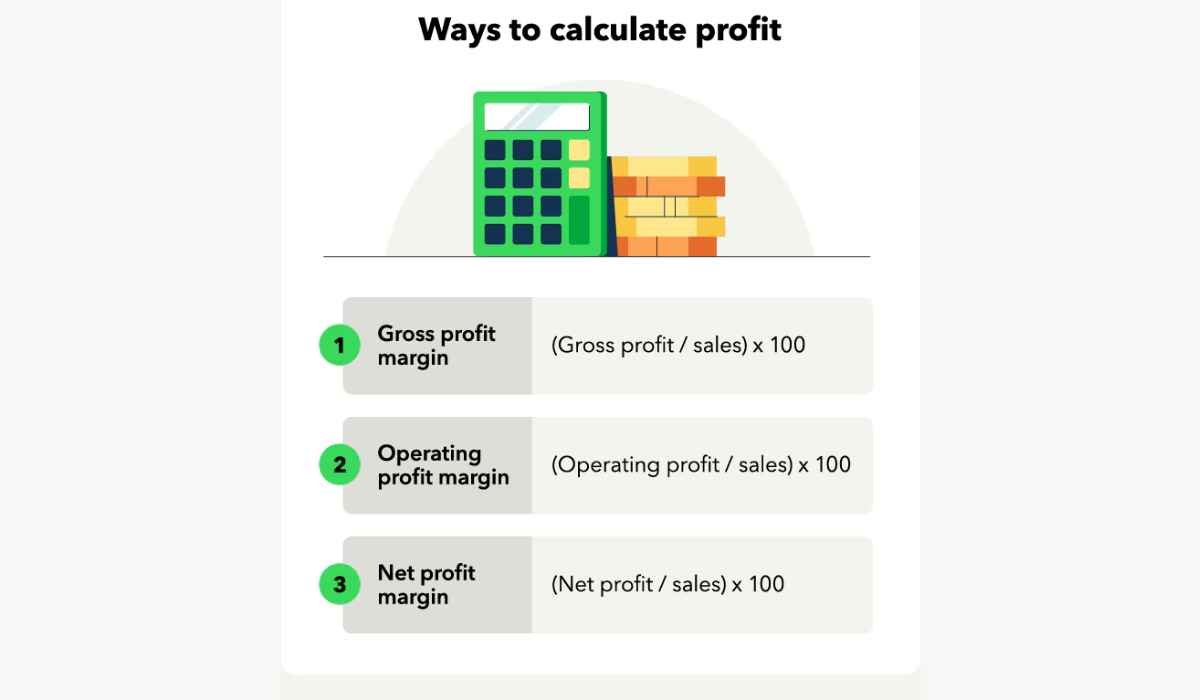
Knowing how to calculate resale profit margins helps you decide whether a product is actually worth selling before you spend money on inventory. A product can have a big difference between its buying and selling price and still produce a disappointing profit once shipping, marketplace fees, packaging, returns, and other costs are included.
Resale profit margin measures how much of your sales revenue remains as profit after the relevant costs are deducted. It is one of the most useful numbers for anyone selling products through online marketplaces, social media shops, their own website, or local stores.
What Is a Resale Profit Margin?
Resale profit margin is the percentage of your selling revenue that you keep as profit after calculating your costs.
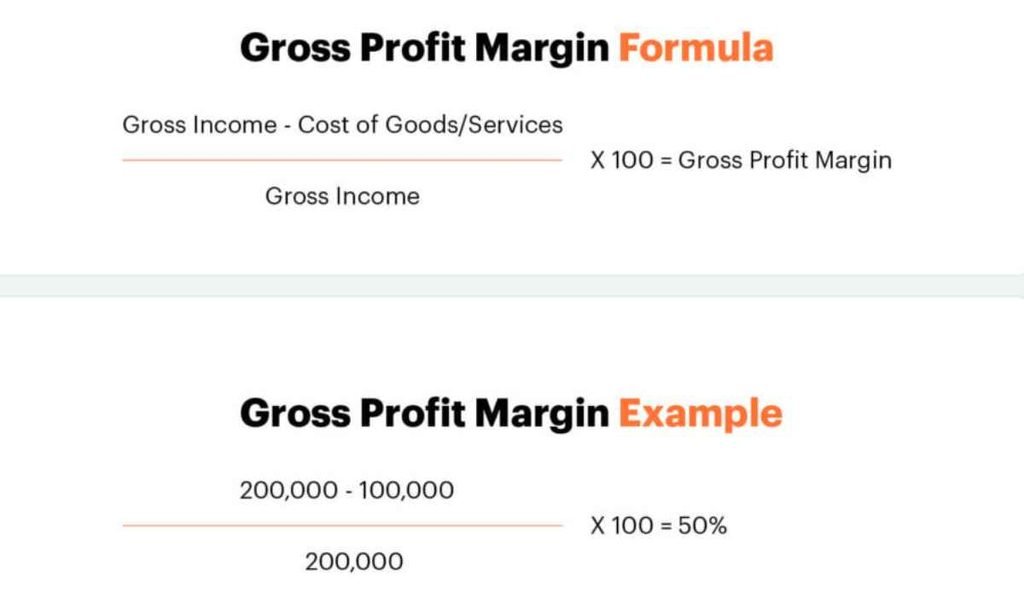
The basic formula is:
Profit Margin = (Selling Price – Total Cost) ÷ Selling Price × 100
For example, suppose you purchase an item for $12 and sell it for $30. If the only cost is the product itself, your profit is $18.
Your margin would be:
($30 – $12) ÷ $30 × 100 = 60%
That sounds strong, but real resale businesses usually have additional expenses. Shipping, packaging, payment processing, marketplace commissions, advertising, storage, returns, and damaged inventory can all reduce the final amount you keep.
That is why how to calculate resale profit margins should involve the full cost of selling an item, not just the wholesale price.
Gross Profit vs. Profit Margin
These terms are related but they are not the same.
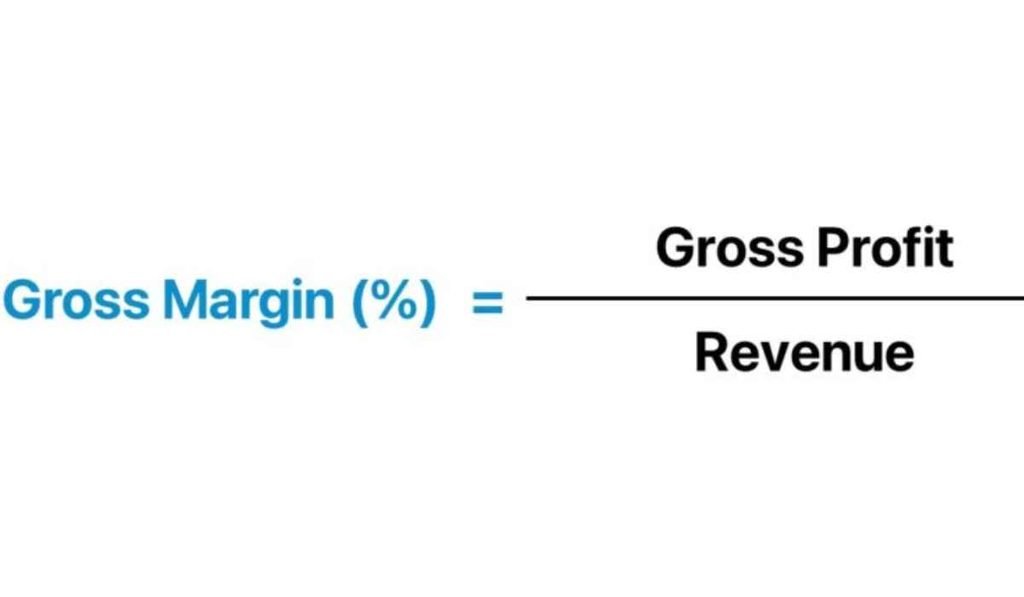
Gross profit is the dollar amount left after subtracting the cost of the product from its selling revenue.
Profit margin expresses that profit as a percentage of revenue.
For example:
- Selling price: $50
- Product cost: $20
- Gross profit: $30
- Gross profit margin: 60%
The $30 is the profit amount, while 60% tells you how much of the selling price remains after the product cost.
Understanding both figures makes it easier to compare products with different prices.
How to Calculate Resale Profit Margins Step by Step
The easiest approach is to break the calculation into several steps.
1. Find Your Product Cost
Start with what you actually pay for the product.
If you buy 100 units for $800, your product cost is:
$800 ÷ 100 = $8 per unit
Do not automatically assume the supplier’s listed unit price is your complete inventory cost. Discounts, import charges, minimum-order requirements, and other purchasing expenses may affect the final figure.
2. Add Shipping Costs
Shipping can significantly change your margin.
Suppose shipping the entire 100-unit order costs $150.
Your shipping cost per unit is:
$150 ÷ 100 = $1.50
Your effective product cost is now:
$8 + $1.50 = $9.50
If you ignore shipping, your estimated margin will be higher than your actual margin.
3. Include Packaging
Boxes, envelopes, labels, tape, inserts, and protective materials all cost money.
If packaging costs $0.75 per order, add that amount to your cost calculation.
Your running cost becomes:
$9.50 + $0.75 = $10.25
Small costs matter when you sell hundreds or thousands of units.
4. Add Marketplace and Payment Fees
Selling platforms may charge listing, transaction, payment processing, referral, fulfillment, or other fees depending on the platform and sales method.
For example, if your total platform and payment fees are $5 on a $30 sale, your remaining revenue after those fees is $25.
Always check the current fee schedule for the specific marketplace you use in 2026 because fees can change.
5. Account for Advertising
If you spend money to generate sales, advertising should be included when measuring your real business profitability.
For example, if you spend an average of $3 in advertising to generate one sale, that $3 is part of the cost of acquiring that sale.
Without including it, your calculated margin may look better than what your business actually produces.
A Resale Profit Margin Example
Let’s use a simple example to see how the numbers fit together.
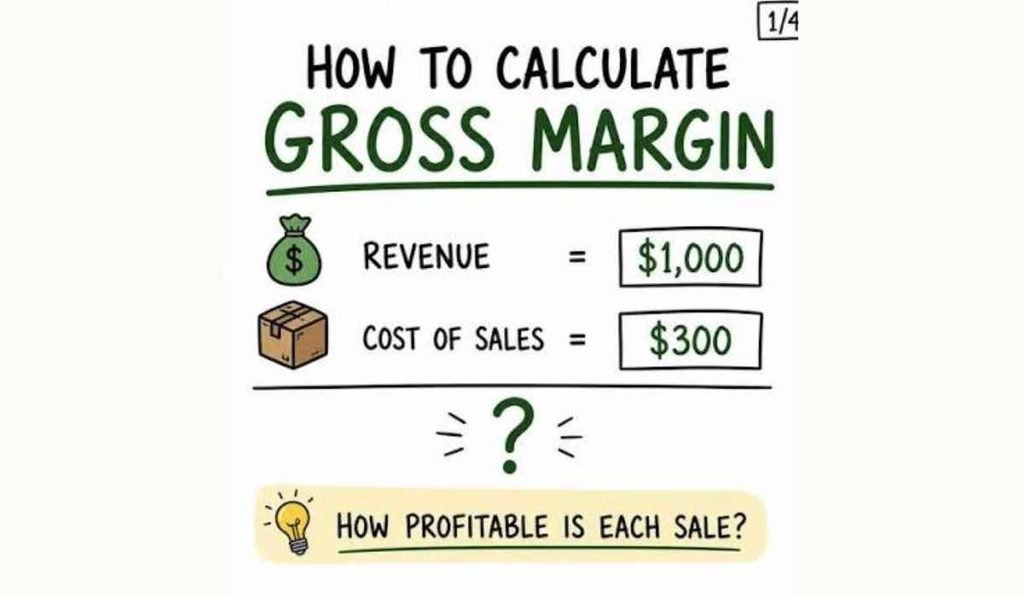
Suppose you sell a product for $40.
| Cost Item | Amount |
| Selling price | $40.00 |
| Product cost | $12.00 |
| Shipping to you | $2.00 |
| Packaging | $1.00 |
| Marketplace/payment fees | $6.00 |
| Advertising | $3.00 |
| Estimated total cost | $24.00 |
| Estimated profit | $16.00 |
| Profit margin | 40% |
The calculation is:
($40 – $24) ÷ $40 × 100 = 40%
The product does not really produce a 70% margin simply because you bought it for $12 and sold it for $40. Once the other costs are included, the estimated margin is 40%.
This is why how to calculate resale profit margins matters when comparing products before investing in inventory.
What Is a Good Resale Profit Margin?
There is no single margin that works for every resale business.
A retailer selling inexpensive products may operate differently from someone selling premium goods, collectibles, furniture, electronics, or handmade products.
Your target margin depends on:
- Product category
- Selling platform
- Competition
- Shipping costs
- Return rates
- Advertising costs
- Storage expenses
- Inventory turnover
- Business overhead
- Customer acquisition costs
A product with a 30% margin may work if it sells quickly and has low return costs. Another product with a 50% margin may be less attractive if it sits in storage for months.
The important point is to evaluate margin alongside sales velocity and operating costs.
Markup and Margin Are Different
One of the most common resale pricing mistakes is confusing markup with margin.
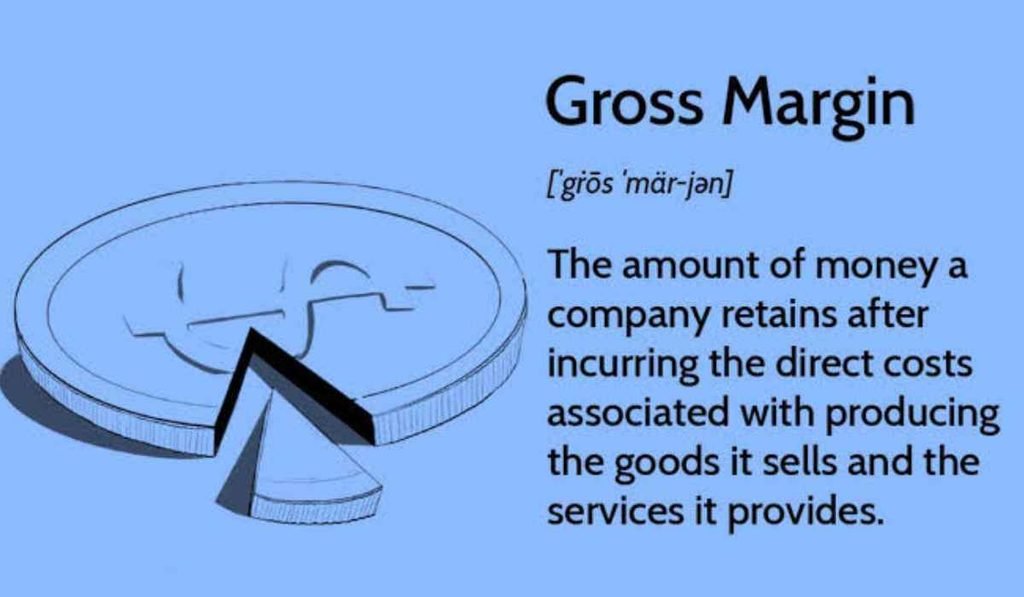
Markup measures how much you increase the cost to reach your selling price.
Margin measures how much of the selling price is profit.
Suppose your product costs $20 and you sell it for $30.
Your markup is:
($30 – $20) ÷ $20 × 100 = 50%
Your margin is:
($30 – $20) ÷ $30 × 100 = 33.3%
Both numbers are correct, but they answer different questions.
If you are setting resale prices, make sure you know whether your target is based on markup or profit margin.
How to Price Products for a Target Margin
If you already know your costs and want a specific margin, you can work backward.
The formula is:
Selling Price = Total Cost ÷ (1 – Target Margin)
Suppose your total cost is $15 and you want a 40% margin.
The calculation is:
$15 ÷ (1 – 0.40) = $25
You would need a selling price of $25 to achieve a 40% margin before considering costs that are not included in your $15 total.
This method is useful when comparing potential products because it shows the minimum price you need to charge to reach your target.
Don’t Forget Returns and Damaged Inventory
Returns can quietly reduce your profits.
Suppose you sell 100 units but three customers return their purchases. You may lose money through return shipping, restocking, damaged packaging, refunds, or inventory that can no longer be sold as new.
The same applies to defective products and damaged shipments.
When estimating profitability, consider your historical return and defect rates if you already have sales data.
For a new product, use a conservative estimate rather than assuming every unit will generate a perfect sale.
Track Profit Margins by Product
Once you have several products, avoid looking only at total business revenue.
A spreadsheet can track each product separately.
Useful columns include:
- Product name
- Supplier
- Unit cost
- Shipping cost
- Packaging cost
- Selling price
- Platform fees
- Advertising cost
- Return cost
- Net profit
- Profit margin
- Units sold
This makes it easier to identify products that generate strong returns and products that look popular but produce little profit.
Common Resale Margin Mistakes
Learning how to calculate resale profit margins is easier when you know which mistakes to avoid.
Ignoring Small Expenses
A $0.50 packaging cost may seem insignificant. Across 2,000 orders, it becomes $1,000.
Using the Retail Price as Your Only Benchmark
Competitors may offer discounts, free shipping, bundles, or promotions that affect the actual market price.
Forgetting Taxes and Business Overhead
Depending on your business structure and location, taxes and overhead may affect your final take-home profit. These should be considered separately from basic product-level margin calculations.
Using an Old Fee Estimate
Platforms can change their fee structures. Recheck current rates before updating your pricing strategy in 2026.
Setting Prices Without Checking the Market
A mathematically perfect margin does not help if customers will not pay the required price.
How to Improve Your Resale Profit Margin
If your margin is too low, you have several options.
- Negotiate a lower wholesale price.
- Purchase larger quantities only when demand supports it.
- Find cheaper shipping options.
- Reduce unnecessary packaging costs.
- Improve product listings and conversion rates.
- Reduce avoidable advertising costs.
- Bundle related products.
- Increase the selling price when the market supports it.
- Reduce return rates by improving product descriptions.
- Focus on products with stronger demand and healthier margins.
The best solution is not always raising the price. Sometimes reducing the cost of acquiring or delivering the product has a bigger effect.
Use Real Numbers Before Ordering Inventory
If you are deciding whether to buy a new product, calculate the expected margin before placing the order.
A simple checklist can help:
- What is the landed product cost?
- How much will delivery cost?
- What will packaging cost?
- What fees will the selling platform charge?
- How much advertising might be required?
- What price are customers actually paying?
- What return rate should you expect?
- How quickly is the product likely to sell?
This process turns product selection into a numbers-based decision rather than a guess.
FAQs
- How do I calculate resale profit margins?
- Subtract your total selling costs from the selling price, divide the result by the selling price, and multiply by 100.
- What costs should be included in a resale profit margin?
- Include product cost, shipping, packaging, platform fees, payment fees, advertising, returns, and other direct selling expenses.
- Is markup the same as resale profit margin?
- No, markup is calculated against product cost while profit margin is calculated against the selling price.
- What is a good profit margin for resale products?
- A good margin depends on the product, sales channel, operating costs, competition, and how quickly the inventory sells.
- Can I calculate resale margins before buying inventory?
- Yes, estimating all expected costs and the realistic selling price can help you evaluate a product before ordering stock.
Knowing how to calculate resale profit margins gives you a clearer picture of which products deserve your money and which ones should be left alone. Keep your calculations simple, update your costs regularly, and judge products by actual profit rather than revenue alone. A product that sells for less but turns over quickly can sometimes be more valuable than an expensive item that sits unsold.