
 admin
admin
How much water should I drink daily? For most healthy adults, there is no single number that works for everyone, but a useful general range is about 2.7 to 3.7 liters of total fluids per day, including water, other drinks, and water found in food. Your personal needs can change based on your age, body size, activity level, weather, diet, pregnancy status, and overall health.
Water is essential for almost every part of the body. It helps control temperature, supports digestion, carries nutrients, cushions joints, and helps remove waste through urine and bowel movements. Losing more fluid than you replace can lead to dehydration, which may cause thirst, headaches, dizziness, darker urine, tiredness, and difficulty thinking clearly.
How much water should you drink each day?
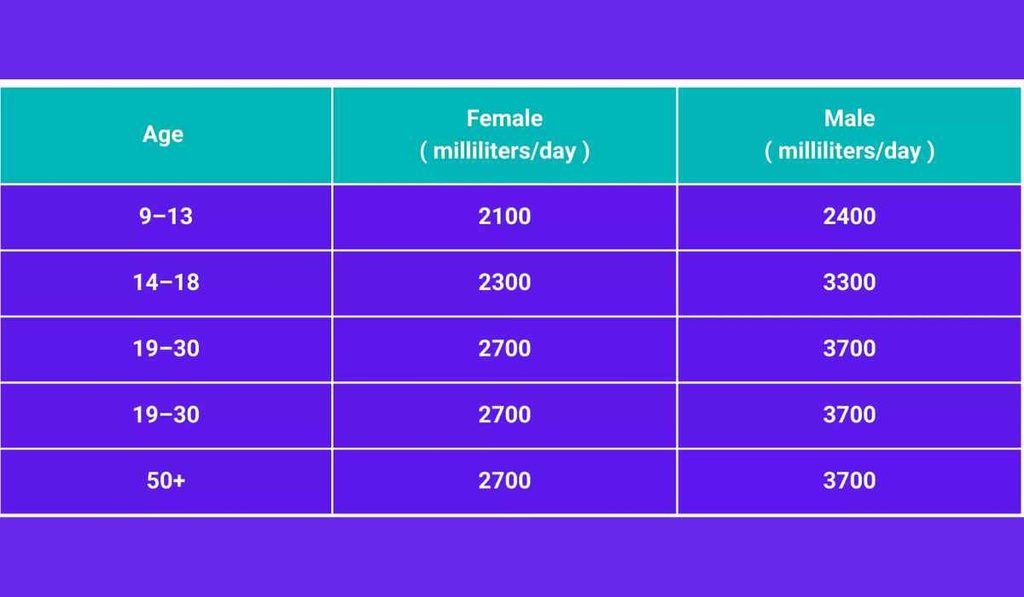
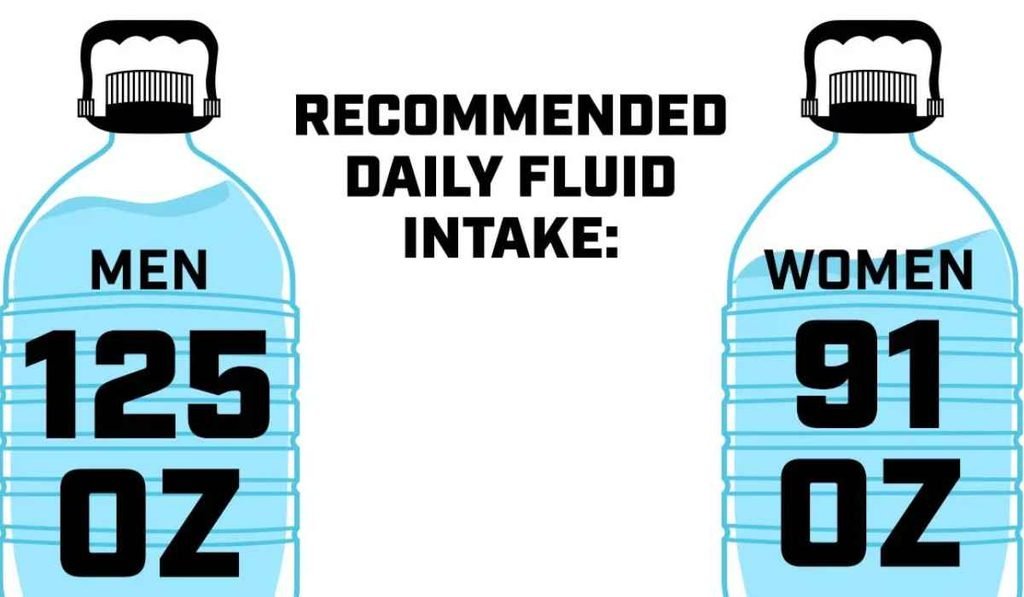
A common starting point is the National Academies’ adequate intake for total water, not plain drinking water alone. For adults ages 19 to 30, the figures are about 3.7 liters for men and 2.7 liters for women per day from all sources. This includes beverages and moisture in foods.
Mayo Clinic similarly notes that healthy adults may get enough total fluids with roughly 11.5 cups to 15.5 cups per day, depending on individual needs. The familiar advice to drink eight 8-ounce glasses can be a simple starting goal, but it should not be treated as a strict rule for every person.
| Person or situation | General hydration guidance |
| Healthy adult woman | Around 2.7 L total water daily |
| Healthy adult man | Around 3.7 L total water daily |
| Active person | Usually needs additional fluids |
| Hot or humid weather | More fluids may be needed |
| Fever, vomiting or diarrhea | Extra fluids may be needed |
| Pregnancy | Fluid needs can increase |
| Breastfeeding | Fluid needs can increase |
These figures are general reference points rather than prescriptions. The amount you personally need can be lower or higher.
How much plain water do you actually need?
The answer is usually less than the total-water numbers suggest because food and other beverages also provide fluids.
The National Academies estimates that about 80% of total water intake typically comes from drinking water and beverages, while the rest comes from food. Fruits, vegetables, soups, yogurt, and other foods can contribute meaningful amounts of water.
That means someone with a diet rich in water-containing foods may not need to drink the entire daily total as plain water.
Other drinks also count toward hydration. Coffee, tea, milk, sparkling water, and other beverages contribute fluids, although water is often the easiest low-calorie choice.
What factors change your daily water needs?
How much water should I drink daily? The best answer depends partly on what your body is doing and what conditions you are facing.
Exercise and physical activity
Exercise increases fluid loss through sweat and breathing. If you are walking for a long time, running, cycling, playing sports, or doing hard physical work, you may need more fluids than you normally drink.
For longer or harder workouts, especially in hot conditions, do not rely only on your usual daily amount. Drink regularly and pay attention to signs such as unusual thirst, weakness, dizziness, headache, or very dark urine. The CDC recommends drinking more water than usual during activity in hot weather.
Hot and humid weather
Heat can dramatically increase the amount of water your body loses through sweat. This is especially important for people who spend hours outdoors or work in hot environments.
On hot days, keep water available and drink throughout the day instead of waiting until you feel extremely thirsty. The CDC’s 2026 heat guidance recommends carrying a water bottle, refilling it throughout the day, and checking urine color as one practical hydration clue.
Illness
Your fluid requirements can change when you have a fever, vomiting, or diarrhea because your body may lose water faster than normal. In some situations, plain water may not be enough to replace lost electrolytes, so a healthcare professional may recommend an appropriate rehydration solution.
Pregnancy and breastfeeding
Pregnancy and breastfeeding can increase fluid needs. People who are pregnant may also be more vulnerable to dehydration and heat-related problems, particularly during hot weather.
If you are pregnant, breastfeeding, or managing a medical condition, your healthcare professional can help determine an appropriate fluid target.
How can you tell if you’re drinking enough?
You do not necessarily need to count every glass of water. Your body provides several useful clues.
One simple sign is urine color. Light yellow or clear urine generally suggests adequate hydration, while consistently dark urine can be a sign that you need more fluids.
Other possible signs of dehydration include:
- Feeling unusually thirsty
- Dry mouth
- Headache
- Dizziness
- Dark urine
- Urinating less often
- Feeling weak or tired
- Reduced physical performance
Severe dehydration can cause confusion and serious health problems. If symptoms are significant or worsening, medical attention may be necessary.
Is eight glasses of water still a good rule?
The eight-glass rule is easy to remember, but it is not a universal medical requirement.
For some people, eight glasses may be enough. Others may need considerably more because of exercise, heat, body size, diet, illness, or other factors. The broader scientific guidance looks at total water intake, which includes water from food and beverages.
A better approach is to use eight glasses as a simple starting point rather than a rigid daily target.
If you routinely feel thirsty, have dark urine, or lose a lot of fluid through sweating, you may need to increase your intake.
Simple ways to drink more water
If you struggle to drink enough throughout the day, small habits can make it easier.
- Keep a reusable bottle nearby. Seeing water on your desk, in your car, or in your bag makes drinking more convenient.
- Drink with meals. Make water part of breakfast, lunch, and dinner.
- Drink around workouts. Have fluids before, during, and after physical activity.
- Add natural flavor. Lemon, lime, cucumber, or fresh fruit can make plain water more appealing.
- Eat water-rich foods. Watermelon, strawberries, oranges, cucumbers, soups, and similar foods can contribute to your daily fluid intake.
- Replace sugary drinks. Choosing water instead of high-calorie sweetened beverages can reduce your overall calorie intake.
- Spread fluids throughout the day. You generally do not need to drink a huge amount all at once.
Can you drink too much water?
Yes. While excessive water intake is uncommon in healthy adults, drinking an unusually large amount in a short period can be dangerous.
Too much water can dilute sodium in the blood, a condition called hyponatremia. This can be particularly concerning during prolonged or intense exercise when someone drinks excessive amounts of plain water. Mayo Clinic notes that severe cases can be life-threatening.
The goal is not to drink as much water as possible. The goal is to replace the fluid your body loses.
People with certain medical conditions or those taking medications that affect fluid balance may also need individualized guidance from a healthcare professional.
A practical daily hydration routine
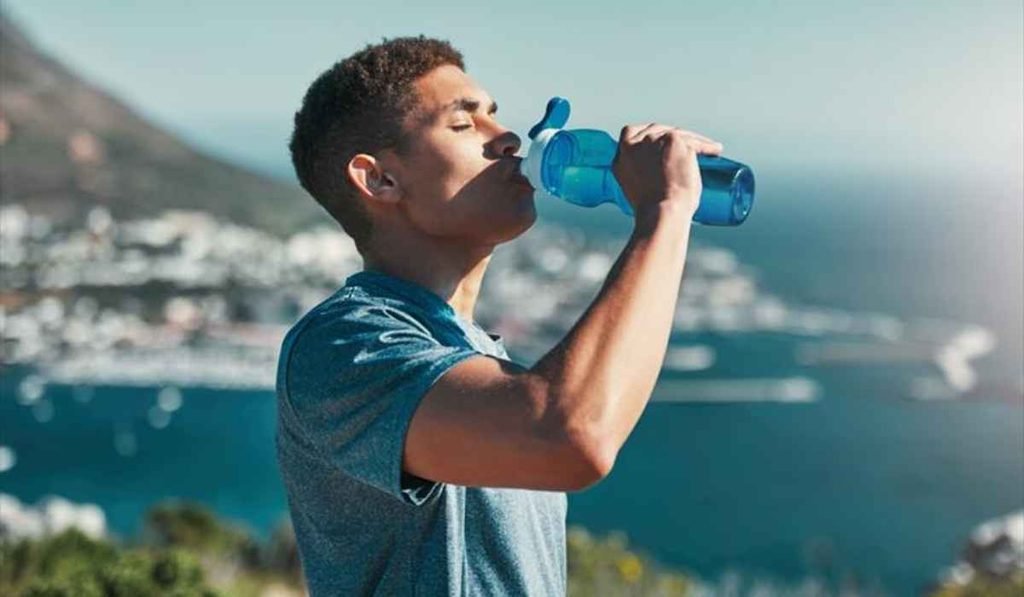
How much water should I drink daily? Instead of trying to hit one perfect number, build a routine around regular drinking and your body’s needs.
A simple day could look like this:
- Morning: Drink water after waking up and with breakfast.
- Midday: Keep water nearby and drink with lunch.
- Afternoon: Increase fluids if you are exercising, working outside, or spending time in heat.
- Evening: Drink with dinner and as needed afterward.
- During exercise: Drink regularly and replace additional fluid lost through sweating.
You can adjust this routine based on thirst, urine color, activity, temperature, and how you feel.
What is the healthiest drink for hydration?
For most people, plain water is an excellent everyday choice because it provides fluid without added sugar or calories. The CDC also recommends choosing water instead of sugary drinks when possible.
Milk, unsweetened tea, coffee, sparkling water, and other drinks can contribute to total fluid intake. However, drinks high in added sugar can add unnecessary calories, while alcohol can interfere with healthy hydration habits.
Sports drinks may have a place during prolonged, intense activity, especially when substantial sweating occurs, but they are not necessary for every normal workout or ordinary day.
FAQs
- How much water should I drink daily if I am healthy?
- Most healthy adults can use about 2.7 to 3.7 liters of total water from food and beverages as a general reference, with individual needs varying.
- Is drinking eight glasses of water a day enough?
- Eight glasses can be a useful starting goal, but your actual fluid needs may be higher or lower depending on your circumstances.
- How much water should I drink daily when exercising?
- You generally need additional fluids during and around exercise because sweating increases water loss.
- Does coffee count toward daily water intake?
- Yes, coffee and other beverages contribute to total fluid intake, although water remains a simple low-calorie choice.
- How much water should I drink daily in hot weather?
- You may need more than usual because heat increases fluid loss through sweating, so drink regularly and monitor for signs of dehydration.
There is no magic number that every person needs to hit every day. A better goal is to drink regularly, choose water often, respond to increased fluid loss, and pay attention to signs from your body. For most people, that approach is more useful than obsessing over a perfect number of glasses.










[…] how do I stop waking up tired and start feeling more alert in the morning? The best approach is to look at your entire sleep […]